RakiYa Travel |   Montenegro
  • Where to go
    • Albanian Riviera
      • Vlora
      • Dhermi
      • Himara
      • Saranda
      • Ksamil
      • Grama Bay
    • Albanian Alps
      • Shkodra
    • UNESCO
      • Berat
      • Gjirokastra
    • City Breaks
      • Tirana
      • Shkodra
  • Packages
  • Enquire now
  • Register as a partner
  • About us
    • Who we are
shopping_cart 0

Montenegro

  • General information
  • Sports & nature
  • Nightlife
  • Culture and history
  • Tours

Montenegro

Montenegro is a captivating Balkan gem where dramatic mountains meet the sparkling Adriatic Sea. This small but remarkably diverse country offers an extraordinary blend of natural wonders and cultural treasures packed into just 13,812 square kilometers.

Known as "Wild Beauty" in tourism circles, Montenegro features everything from the UNESCO-protected Bay of Kotor with its medieval fortified towns to the rugged peaks of Durmitor National Park, home to Europe's deepest canyon. The country boasts five stunning national parks, 295 kilometers of pristine coastline with 73 kilometers of beaches, and some of the most well-preserved medieval architecture in the Balkans.

With a population of approximately 620,000, Montenegro achieved independence in 2006 and has since emerged as one of Europe's most exciting destinations. The capital Podgorica serves as the administrative center, while the historic city of Cetinje remains the cultural heart of the nation. Montenegro uniquely uses the Euro as its currency despite not being an EU member, making it convenient for travelers. The country ranks as the 35th most peaceful nation globally and offers visitors a safe, welcoming environment where ancient history seamlessly blends with modern hospitality.

Visa requirements

Visa-Free Entry: Montenegro grants visa-free access to citizens of approximately 97 countries for stays up to 90 days within a 180-day period. This includes:

  • All European Union member states (with valid ID card or passport)
  • United States, United Kingdom, Canada
  • Australia, New Zealand
  • All Schengen Annex II countries
  • Additional countries: Azerbaijan, Belarus, Kazakhstan, Kuwait, Qatar, Russia, Saudi Arabia, and Vanuatu

Passport Requirements:

  • Passport must be valid for at least 3 months beyond the intended stay
  • Travelers must have sufficient funds for their stay
  • All visitors must register with local police within 24 hours (hotels handle this automatically)

Special Provisions:

  • Holders of valid double-entry or multiple-entry Schengen visas can enter Montenegro
  • Residents of Schengen countries with valid residence permits can enter visa-free
  • UAE residents can enter for up to 10 days with confirmed travel arrangements
  • Refugees with travel documents from Australia, Canada, Iceland, Japan, New Zealand, Norway, Switzerland, the USA, or EU member states can visit for up to 30 days visa-free
  • Chinese citizens with business passports or as part of organized groups can stay up to 30 days

Visa Types for Those Who Need Them:

  • Airport Transit Visa (Type A): For passing through airport transit areas
  • Transit Visa (Type B): Up to 5 days per journey, valid 6 months
  • Short-Stay Visa (Type C): Tourism/business, up to 90 days in 6 months
  • Long-Stay Visa (Type D): For stays exceeding 90 days

Application Process: Visa applications must be submitted in person at Montenegrin diplomatic missions. In countries without Montenegrin representation, applications can be processed through Serbian, Bulgarian, or Croatian missions. Processing typically takes 10 working days but can extend to 30-60 days if additional documentation is required.

Important Note: Overstaying the permitted period can result in fines, deportation, or future entry difficulties. All visitors must register in each municipality where they stay more than 24 hours.

Languages spokenMontenegrin
Currency usedEuro (EUR, €)
Area (km2)13,812 km² (5,333 square miles)
Country nameMontenegro (Montenegrin: Crna Gora / Црна Гора)

Sports & nature

Montenegro is an outdoor enthusiast's paradise, offering exceptional opportunities across all seasons. The country's diverse terrain creates perfect conditions for countless adventures:

Mountain Adventures: Durmitor National Park features 25 scenic walking trails, towering peaks reaching over 2,500 meters, and pristine glacial lakes including the stunning Black Lake. The park offers hiking, mountain biking, rock climbing, and skiing at resorts like Savin Kuk. Prokletije National Park, Montenegro's highest mountain range with peaks exceeding 2,500 meters, provides more remote trekking experiences with breathtaking panoramic views.

Water Sports: The Tara River, Europe's cleanest river, ranks among the world's top three rafting destinations. The Tara Canyon, Europe's deepest at approximately 1,300 meters, offers thrilling rafting expeditions from April to October. Lake Skadar, the Balkans' largest lake, is perfect for kayaking, canoeing, and boat tours through its scenic bays and islands, while the Adriatic coast provides opportunities for swimming, snorkeling, scuba diving, and beach sports.

Extreme Sports: Montenegro excels in adventure activities including canyoning through dramatic gorges like Nevidio Canyon, paragliding over the Bay of Kotor from multiple launch points, zip-lining across the Tara Canyon, and cave exploring in locations like Lipa Cave. The coastal area near Ulcinj, particularly Ada Bojana with its warm shallow waters and consistent winds, is renowned as a premier kitesurfing and windsurfing destination.

Cycling & Hiking: Montenegro has developed extensive networks of mountain bike trails and hiking paths throughout its national parks and coastal regions, allowing visitors to explore stunning scenery while experiencing the country's remarkable biodiversity with over 2,800 plant species.

Sports and nature image

Nightlife info

Montenegro offers a vibrant and diverse nightlife scene that rivals any Mediterranean destination, with each region bringing its own unique flavor to after-dark entertainment.

Budva - The Party Capital: Budva is Montenegro's undisputed nightlife hub, especially during peak summer months (July-August). The city features world-famous venues like Top Hill, one of Europe's largest open-air nightclubs with a capacity of 5,000 people, which was declared the best nightclub in the world in 2012. The club offers multiple bars including vodka, wine, Cohiba, and hookah bars, plus a massive dance floor with international DJs performing nightly. Other popular Budva venues include Trocadero, Ambiente, Omnia, Club Sparta, and Emporio Club located within the old town walls.

Kotor - Historic Atmosphere: Kotor's nightlife centers around its UNESCO-listed Old Town, where bars and clubs blend medieval architecture with modern entertainment. Maximus Disco is one of the region's most iconic venues, housed within a medieval fortress with multiple dance floors and capacity for over 4,000 people. The club features international DJ performances and stunning historical ambiance. Smaller bars throughout the old town offer live music, jazz performances, and intimate settings.

Tivat - Sophisticated Marina Scene: The Porto Montenegro marina area has transformed Tivat into an upscale nightlife destination. Buddha Bar Beach features a breathtaking 64-meter infinity pool overlooking Boka Bay, offering Asian-fusion cuisine by day and transforming into an elegant nightclub at night. Platinum delivers luxury nightclub experiences with VIP sections and marina views, while The House 5 provides sophisticated lounge atmospheres.

Podgorica - Year-Round Action: As the capital, Podgorica maintains a buzzing club scene independent of seasonal tourism. The nightlife centers around streets like Hercegovačka, Njegoševa, and Bokeška, featuring diverse venues from jazz clubs to techno nightspots. Popular spots include District Club, Buda Bar, and numerous cafes that transform into lively bars at night.

Music & Festivals: Montenegro hosts major summer music festivals including Sea Dance Festival in Budva, Lake Fest in Nikšić, and Southern Soul Festival in Ulcinj, which bring world-renowned DJs and international acts. The dress code leans smart casual, with most venues having relaxed policies, though upscale clubs may require more polished attire for special events.

Nightlife image

Culture and history info

Montenegro boasts an extraordinarily rich cultural heritage spanning over two millennia, with four UNESCO World Heritage Sites and countless historical treasures.

UNESCO World Heritage Sites:

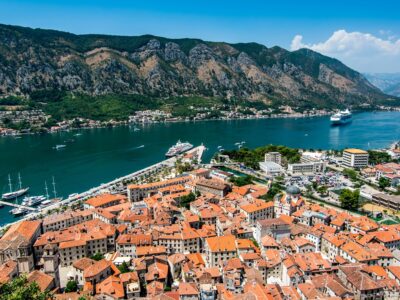
  1. Natural and Culturo-Historical Region of Kotor (1979): The Bay of Kotor, one of Europe's most beautiful bays, features the medieval town of Kotor with its remarkably preserved fortifications, narrow streets, and stunning architecture. The city's treasury includes the 8th-century Clock Tower, the 12th-century Cathedral of St. Tryphon, Church of St. Luke, and numerous palaces reflecting Byzantine, Romanesque, Gothic, and Renaissance influences. Following earthquake damage in 1979, UNESCO-funded restoration returned the site to its former glory by 2003.
  2. Durmitor National Park (1980, extended 2005): Beyond its natural significance, Durmitor contains medieval monasteries and the famous Đurđevića Tara Bridge, surrounded by atmospheric old-growth forests.
  3. Stećci Medieval Tombstone Graveyards (shared with Bosnia, Croatia, Serbia): These mysterious intricately carved medieval tombstones from the 12th-16th centuries, found in locations including Žabljak and Plužine, offer fascinating glimpses into medieval Balkan culture and artistry.
  4. Venetian Works of Defence (2017, shared with Croatia and Italy): The fortifications of Kotor represent part of Venice's innovative "Stato da Mar" defense system, showcasing military architecture from the 16th-17th centuries.

Historical Timeline: The region was inhabited by Illyrians before the Slavic arrival in the 6th-7th centuries. Medieval principalities of Duklja, Travunia, and Rascia occupied modern Montenegro's territory. The name "Montenegro" (meaning "Black Mountain") emerged in the 15th century, referring to Mount Lovćen. Montenegro gained semi-autonomous status in 1696 under the House of Petrović-Njegoš, independence recognition in 1878, became a kingdom in 1910, joined Yugoslavia after WWI, and finally achieved independence in 2006.

Cultural Centers & Museums: Cetinje, the old royal capital, houses the National Museum, Blue Palace, King Nikola's Court, and Cetinje Monastery with priceless religious and historical artifacts. The Historic Archive of Kotor contains documents dating from 1309. Podgorica features modern museums while smaller towns preserve ethnographic collections showcasing traditional Montenegrin life.

Religious Heritage: Montenegro's spiritual landscape includes numerous Orthodox monasteries like the spectacular Ostrog Monastery (built into a cliff face and attracting over 100,000 annual visitors), Catholic churches along the coast, and historic mosques including the 16th-century Hussein Pasha Mosque in Pljevlja with its impressive 42-meter minaret.

Cultural Traditions: Montenegro hosts various festivals celebrating music, arts, and traditions. The country is home to the Academy of Arts in Cetinje and numerous music festivals. Traditional konoba restaurants preserve authentic Mediterranean and Balkan culinary heritage.

Culture and history image

Unfortunately no tours were found.



© 2025 RakiYa Travel

  • Blog
  • Terms and Conditions
x

Log in

Forgot your password?

x

Register