RakiYa Travel | Valbone Group Tours in the Albanian Alps - RakiYa Travel
  • Servizi
    • Esperienze di Viaggio
    • MICE
  • Destinazioni
    • Albania
      • Riviera Albanese
        • Vlora
        • Dhermi
        • Himara
        • Saranda
        • Ksamil
        • Grama Bay
      • Alpi Albanesi
        • Shkodra
        • Theth
        • Valbone
      • UNESCO
        • Berat
        • Gjirokastra
      • Soggiorni in Città
        • Tirana
        • Shkodra
      • Korce
    • Kosovo
      • Prizren
      • Pristina
    • Montenegro
      • Kotor
      • Budva
    • Macedonia del Nord
      • Ohrid
      • Skopje
    • Bosnia and Herzegovina
      • Mostar
      • Sarajevo
  • Richiedi Informazioni
  • Registrati come Partner
  • Blog
  • Chi Siamo
shopping_cart 0
  • General information
  • Sports & nature
  • Nightlife
  • Culture and history
  • Tours

Valbone

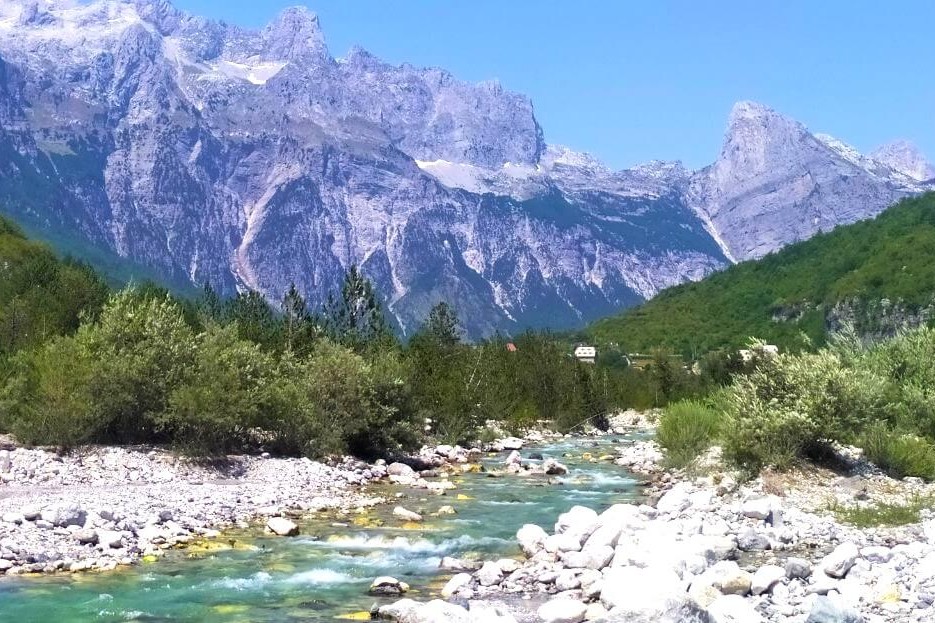
Valbone is a dramatic mountain destination in northern Albania. It lies in the Albanian Alps, near the Kosovo and Montenegro borders. The valley combines sharp limestone peaks, clear rivers, forests, and traditional villages. It suits active touring, soft adventure, and scenic small-group programmes.

Moreover, the destination offers a strong contrast with Albania’s coastal resorts. Guests can enjoy fresh air, quiet trails, and welcoming mountain hospitality. The setting works well for hiking holidays and regional circuits. It also adds nature and culture to wider Albania itineraries.

Valbone Valley National Park protects the main landscape. The park covers about 80 square kilometres. Dense beech and pine forests cover many slopes. High peaks rise around the valley, including Maja e Jezercës. This summit reaches 2,694 metres and ranks among Albania’s highest points.

Valbone as a Mountain Base

Valbone village provides the main base for visitors. Small guesthouses and family-run lodges line the valley. Many properties serve local food and offer simple, comfortable rooms. They can support luggage storage, packed lunches, and early breakfasts for walkers.

In addition, the valley has a clear seasonal character. Spring brings waterfalls, flowers, and bright green meadows. Summer offers the most reliable hiking conditions. Autumn adds rich forest colours and cooler walking weather. Winter creates a quiet snow landscape, although access and services become limited.

For tour operators, the destination works best with careful logistics. Mountain roads take time, especially when groups travel with luggage. A local DMC can coordinate transfers, accommodation, guides, meals, and walking plans. Boat links across Lake Koman can also form part of a memorable arrival route.

Planning Regional Itineraries

Meanwhile, the valley connects naturally with other northern Albanian highlights. Groups can combine it with Shkodra, Lake Koman, or the historic town of Kruja. The nearby Theth area creates a strong two-valley programme for active travellers. See our Albanian Alps destination page for wider regional planning.

However, some routes need good fitness and stable weather. Trail surfaces can be rocky, steep, or slippery after rain. Guides should assess conditions before each departure. Operators should also offer easier walks for mixed-ability groups.

Overall, Valbone gives partners a distinctive mountain product in Albania. It combines nature, local life, and authentic hospitality without large resort development. The destination suits private groups, incentive trips, hiking tours, and tailor-made journeys. For background information, consult the English Wikipedia article about Valbona Valley National Park.

Visa requirements

Albania applies visa rules according to the traveller’s nationality. Many citizens of the European Union, the United Kingdom, the United States, Canada, Australia, and several other countries can enter Albania without a visa for short stays. The permitted stay often reaches 90 days within a 180-day period.

However, rules can change and may differ by passport. Tour operators should check the current requirements before confirming travel. Travellers normally need a valid passport or accepted travel document. Some nationalities may need a visa before departure.

In addition, entry documents should remain valid for the required period after arrival. Border officials may request proof of accommodation, onward travel, funds, or travel insurance. Requirements can also vary for work, study, or longer stays.

Because Valbone lies in Albania, no separate regional permit applies to ordinary visitors. Groups should still carry identification during mountain excursions. Finally, agencies should verify official guidance through an Albanian embassy or the Albanian Ministry for Europe and Foreign Affairs.

Languages spokenAlbanian is the main language; English and Italian are common in tourism.
Currency usedAlbanian lek (ALL).
Area (km2)Approximately 80 km² (Valbona Valley National Park).
Country nameAlbania

Sports & nature

Valbone Hiking and Outdoor Activities

Valbone is one of northern Albania’s best bases for mountain walking. Marked and local trails lead through forests, meadows, and rocky valleys. The popular route to Theth crosses the Valbona Pass. It offers wide views across the Albanian Alps.

Also, shorter walks suit guests who prefer a gentle pace. Local guides can adapt routes to weather and fitness levels. Summer supports the widest range of outdoor activities. Winter may suit snow walks, but operators should confirm access first.

  • Day hikes through the national park
  • Guided crossings between Valbone and Theth
  • Landscape photography and birdwatching
  • Nature walks beside the Valbona River
  • Snow activities during suitable winter conditions

Furthermore, the protected landscape supports rich wildlife and plant life. Visitors may see raptors, deer, foxes, and other mountain species. Guests should follow marked paths and avoid disturbing wildlife. Responsible travel helps protect this fragile environment.

For groups, good footwear and layered clothing remain essential. Rain protection is useful in every season. Guides should carry water, first-aid supplies, and route information. As a result, operators can provide a safer and more enjoyable mountain experience.

Nightlife info

Valbone has quiet evenings rather than conventional nightlife. Guests usually spend the night at a family guesthouse or small lodge. Dinner often features mountain cheese, fresh bread, potatoes, meat, and seasonal produce.

In addition, some properties offer outdoor seating and relaxed social spaces. Groups can enjoy conversation, local drinks, and views of the peaks. Clear nights may also create excellent stargazing conditions.

However, the valley has no major clubs or late-night bars. This peaceful atmosphere suits hiking groups, families, and incentive programmes. Tour leaders should set expectations before arrival.

For livelier entertainment, planners can add time in Shkodra or Tirana. These cities offer restaurants, bars, music venues, and evening walks. Then guests can return to the calm mountain setting for the main nature experience.

Culture and history info

Valbone Mountain Culture

Valbone reflects the traditions of Albania’s northern highlands. Local families have long relied on livestock, forestry, farming, and mountain trade. Stone houses, wooden details, and generous hospitality remain important parts of village life.

Moreover, the wider region preserves the customs of the Gheg highlands. Guests may encounter local dishes, folk stories, and strong family traditions. Hosts often serve homemade preserves, mountain herbs, dairy products, and grilled meats.

The valley also forms part of an historic route between northern Albanian communities. Mountain passes supported movement between settlements for centuries. The landscape shaped local architecture, work, food, and seasonal life.

History and Local Heritage

Valbona Valley National Park received national protection in 1996. Its purpose includes protecting forests, rivers, habitats, and alpine scenery. Conservation now supports both local livelihoods and responsible tourism.

Meanwhile, the region’s identity connects closely with the broader Albanian Alps. Traditional hospitality remains a central visitor experience. A local guide can explain legends, place names, and everyday mountain practices.

For cultural programmes, operators can include a village walk and a hosted meal. These experiences create direct contact with local communities. They also spread tourism income beyond larger towns. Guests should respect homes, religious customs, and private land.

Unfortunately no tours were found.



© 2026 RakiYa Travel

  • Blog
  • Termini e Condizioni
x

Log in

Forgot your password?

x

Register

Italian
English