
RakiYa Travel | Pristina City Breaks and Group Travel Guide - RakiYa Travel
  • Servizi
    • Esperienze di Viaggio
    • MICE
  • Destinazioni
    • Albania
      • Riviera Albanese
        • Vlora
        • Dhermi
        • Himara
        • Saranda
        • Ksamil
        • Grama Bay
      • Alpi Albanesi
        • Shkodra
        • Theth
        • Valbone
      • UNESCO
        • Berat
        • Gjirokastra
      • Soggiorni in Città
        • Tirana
        • Shkodra
      • Korce
    • Kosovo
      • Prizren
      • Pristina
    • Montenegro
      • Kotor
      • Budva
    • Macedonia del Nord
      • Ohrid
      • Skopje
    • Bosnia and Herzegovina
      • Mostar
      • Sarajevo
  • Richiedi Informazioni
  • Registrati come Partner
  • Blog
  • Chi Siamo
shopping_cart 0
  • General information
  • Sports & nature
  • Nightlife
  • Culture and history
  • Tours

Pristina

Pristina is Kosovo’s lively capital and its main gateway for cultural, business, and group travel. The city combines Ottoman traces, modern cafés, creative spaces, and a youthful atmosphere. It also offers a practical base for exploring Kosovo’s wider landscapes and heritage.

For tour operators, Pristina works well as a short city break or as the first stop on a regional itinerary. The international airport sits close to the city centre. Therefore, groups can reach hotels, restaurants, and key sights quickly. Good road links also connect the capital with Prizren, Peja, and North Macedonia.

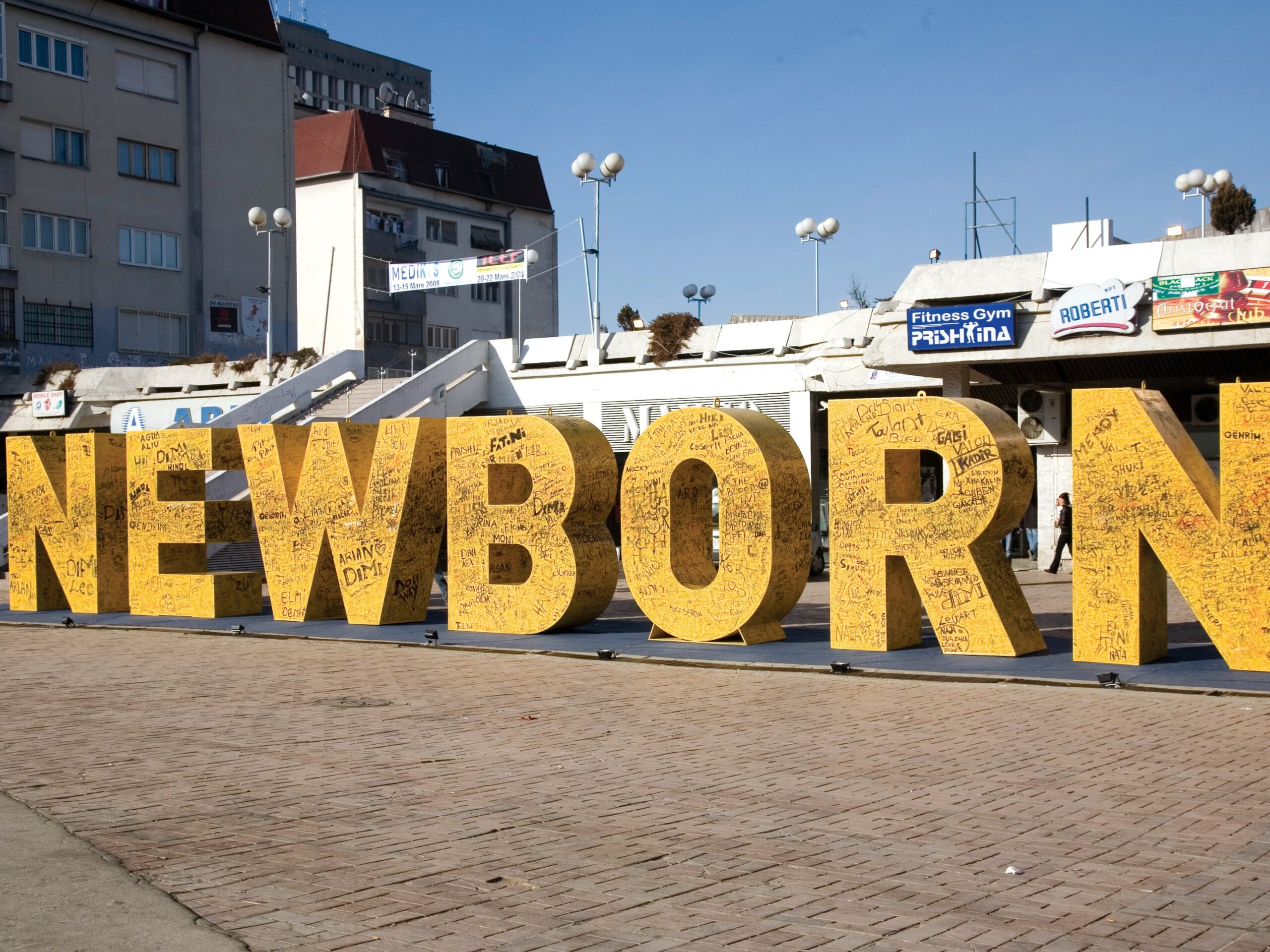
Meanwhile, the compact centre supports easy walking tours. Visitors can explore Mother Teresa Square, the National Library, the Newborn monument, and the central pedestrian streets. Local cafés create natural stops between visits. In addition, the city offers a growing choice of hotels, restaurants, meeting venues, and flexible group dining options.

Pristina for group itineraries

Pristina suits travellers who enjoy urban energy and authentic local life. The city feels modern, yet its history remains visible in mosques, markets, and older neighbourhoods. For example, the Imperial Mosque and the nearby bazaar area provide useful cultural context. Guides can explain Kosovo’s complex past in a clear and balanced way.

As a result, the capital fits well into multi-country Balkan programmes. Operators can combine it with Kosovo, Prizren, or neighbouring North Macedonia. Day trips can add monasteries, mountain villages, and scenic roads. Travel planners can also pair the city with outdoor activities around Germia Park.

Pristina city breaks and services

Modern accommodation ranges from reliable business hotels to smaller boutique properties. Many venues can host private dinners, workshops, and incentive events. Furthermore, local restaurants serve Balkan favourites alongside international menus. Coffee culture remains central to daily life, so cafés work well for informal meetings.

However, operators should plan traffic and event schedules carefully. Roads become busier during weekday mornings and afternoons. Summer brings warm, generally dry weather. Spring and autumn offer comfortable conditions for walking tours. Winter can bring cold days and occasional snow, especially during mountain excursions.

For groups, a local DMC can coordinate airport transfers, licensed guides, restaurant reservations, and timed sightseeing. It can also arrange coach movements and cross-border logistics. Overall, Pristina delivers a flexible capital-city experience with strong regional connections. It is especially suitable for cultural tours, student groups, incentives, and Balkan discovery programmes.

For background information, see the English Wikipedia article about Pristina.

Visa requirements

Entry rules for Kosovo

Kosovo applies its own entry rules. Travellers should check requirements using their nationality and passport type before booking. Rules can change, so operators should confirm details with official authorities.

Since 1 January 2024, citizens of Kosovo may travel visa-free to the Schengen area. This rule does not automatically give all foreign nationals visa-free entry to Kosovo.

Citizens of the European Union, the United Kingdom, the United States, Canada, Australia, and many other countries can generally enter visa-free for short stays. The usual limit is up to 90 days within a 180-day period. Passport conditions and nationality exceptions may apply.

Some travellers need a Kosovo visa before arrival. Holders of valid, multiple-entry Schengen visas may use a short-stay exemption in certain cases, usually for up to 15 days. This rule has detailed conditions. Therefore, travellers should confirm eligibility with a Kosovo diplomatic mission.

  • Carry a passport valid for the planned stay.
  • Check blank pages and passport damage before travel.
  • Confirm entry rules for every nationality in the group.
  • Register accommodation when local rules require it.
  • Verify border rules when combining Kosovo with neighbouring countries.

Overall, travel agencies should collect passport details early. They should also check transit rules, insurance, and border crossings. Official Kosovo government or embassy guidance remains the final authority.

Languages spokenAlbanian and Serbian are official languages; English is widely understood, especially in tourism.
Currency usedEuro (EUR)
Area (km2)Approximately 572 km², referring to the Municipality of Pristina.
Country nameKosovo

Sports & nature

Outdoor activities near Pristina

Pristina offers easy access to urban parks and nearby countryside. Germia Park is the city’s main green space. Visitors can walk, jog, cycle, and enjoy relaxed picnic areas there.

In addition, the park includes forest trails and outdoor recreation facilities. Local guides can create gentle walks for mixed-age groups. The setting also works well for wellness programmes and informal team activities.

  • Walking and jogging in Germia Park
  • Cycling on local park and countryside routes
  • Picnics and light outdoor team activities
  • Day trips towards Kosovo’s mountain regions
  • Winter excursions to nearby snow areas, conditions permitting

For more demanding activities, operators can extend programmes beyond the capital. The Šar Mountains and Rugova region offer hiking, rafting, climbing, and winter sports. Travel times depend on the route and season. Therefore, transport, weather, and guide availability need advance planning.

Overall, the capital works best as a base for gentle nature experiences. Groups can combine a city tour with fresh air and scenic viewpoints. Local partners can arrange equipment, transfers, and qualified outdoor guides.

Nightlife info

Evenings in Pristina

Pristina has a lively evening scene shaped by students, young professionals, and creative communities. Central cafés stay busy well into the evening. Restaurants offer relaxed dinners before groups continue to bars or music venues.

Meanwhile, the main pedestrian areas provide easy options for casual social time. Visitors can enjoy local beer, Kosovo wine, cocktails, and strong coffee. The city also hosts live music, cultural events, and seasonal festivals.

  • Central cafés for informal group gatherings
  • Restaurants with Balkan and international menus
  • Bars featuring local drinks and modern cocktails
  • Live music and occasional club nights
  • Cultural events and seasonal performances

For groups, private dining or reserved lounge areas offer the simplest solution. Venues vary in style, so advance selection helps match each programme. Also, evening traffic can affect transfers during busy periods.

Overall, Pristina provides energetic but approachable nightlife. It suits incentive groups, university programmes, and travellers seeking authentic urban experiences.

Culture and history info

Pristina’s cultural identity

Pristina reflects Kosovo’s layered history and modern national identity. The city grew from an Ottoman-era settlement into a busy contemporary capital. Visitors can still find historic mosques, traditional streets, and market influences near newer buildings.

Mother Teresa Square forms the centre of civic life. Nearby, the Newborn monument presents a bold symbol of Kosovo’s independence. The National Library attracts attention with its distinctive architectural design. In addition, museums and galleries introduce local art, archaeology, and social history.

History and heritage in Pristina

The Imperial Mosque remains one of the city’s best-known historic landmarks. The Clock Tower and nearby old bazaar area help explain the Ottoman period. Guides can connect these places with Kosovo’s broader religious and cultural traditions.

However, the city’s recent history also shapes its identity. The Kosovo Museum presents important archaeological and historical material. The city’s public monuments discuss independence, conflict, memory, and renewal. These subjects require sensitive guiding and clear historical context.

Furthermore, cafés, music, design, and contemporary art show the capital’s youthful character. Local food tours can introduce dishes such as flija, pies, grilled meats, and fresh salads. Finally, day trips to Prizren or historic monasteries add depth to a Kosovo itinerary.

For tour operators, the destination supports walking tours, educational visits, cultural meetings, and themed programmes. Licensed local guides help present complex topics respectfully. As a result, groups gain both historical insight and a feel for everyday life.

Unfortunately no tours were found.



© 2026 RakiYa Travel

  • Blog
  • Termini e Condizioni
x

Log in

Forgot your password?

x

Register

Italian
English