RakiYa Travel | Corfu Group Tours and Island Travel Guide - RakiYa Travel
  • Servizi
    • Esperienze di Viaggio
    • MICE
  • Destinazioni
    • Albania
      • Riviera Albanese
        • Vlora
        • Dhermi
        • Himara
        • Saranda
        • Ksamil
        • Grama Bay
      • Alpi Albanesi
        • Shkodra
        • Theth
        • Valbone
      • UNESCO
        • Berat
        • Gjirokastra
      • Soggiorni in Città
        • Tirana
        • Shkodra
      • Korce
      • Durres
      • Kruje
    • Kosovo
      • Prizren
      • Pristina
    • Montenegro
      • Kotor
      • Budva
    • Macedonia del Nord
      • Ohrid
      • Skopje
      • Mavrovo
      • Bitola
    • Bosnia and Herzegovina
      • Mostar
      • Sarajevo
      • Jajce
    • Serbia
      • Belgrade
      • Novi Sad
    • Croatia
      • Dubrovnik
    • Greece
      • Corfu
  • Richiedi Informazioni
  • Registrati come Partner
  • Blog
  • Chi Siamo
shopping_cart 0
  • General information
  • Sports & nature
  • Nightlife
  • Culture and history
  • Tours

Corfu

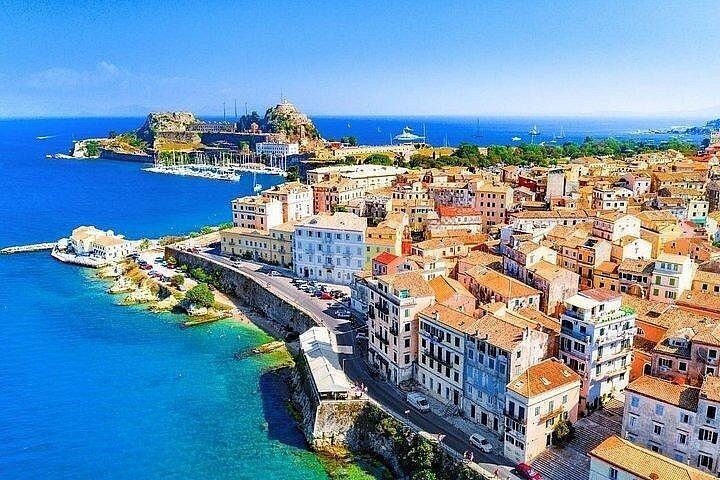
Corfu is a green Greek island in the Ionian Sea, close to Albania and Italy. It suits cultural tours, beach stays, and active group programmes. The island combines elegant towns, forested hills, clear bays, and strong food traditions. Therefore, it works well for varied itineraries with short travel times.

For tour operators, Corfu offers useful programme flexibility. Groups can stay in Corfu Town, near the coast, or in quieter inland villages. Also, the international airport supports seasonal flights from many European markets. Ferries connect the island with mainland Greece, nearby islands, and southern Italy. Local transport works best with pre-arranged coaches, guides, and boat services.

Corfu Town provides the island’s main cultural base. Its old streets show Venetian, French, and British influences. In addition, two fortresses create memorable sightseeing points. The Liston arcades frame a lively square beside the historic centre. The old town belongs to the UNESCO World Heritage List. Groups can explore it on foot with a local guide.

Corfu Coast and Countryside

Meanwhile, the coastline offers many settings for leisure programmes. Paleokastritsa has dramatic cliffs, small beaches, and sea caves. Glyfada and Agios Gordios suit relaxed beach days. The northeast coast features clear water and views towards Albania. For a quieter experience, agencies can use villages such as Pelekas, Lakones, and Kassiopi.

Beyond the beaches, the island has olive groves, cypress trees, and walking routes. Mount Pantokrator forms the highest point in the north. As a result, hiking and scenic drives can add variety to a group trip. Boat excursions also provide simple access to hidden coves and nearby islands. Operators should schedule activities around summer heat and sea conditions.

Food, Wine, and Local Experiences

Corfu has a distinct cuisine shaped by Greek, Venetian, and Mediterranean traditions. Sofrito, pastitsada, and burdeto are well-known local dishes. Furthermore, olive oil, honey, kumquat products, and regional wines support tasting programmes. Families and specialist producers can host visits in selected villages. These experiences suit incentive groups and smaller cultural tours.

For planning ideas, agencies can combine a guided town walk with a village lunch. They can then add a sunset viewpoint, cooking activity, or coastal cruise. The Greece destination page offers useful regional context for wider programmes. Corfu also pairs well with mainland Epirus, Albania, or other Ionian islands.

Planning Group Travel to Corfu

Spring and early autumn offer comfortable conditions for touring. July and August bring the highest demand, warmer days, and busy beaches. Therefore, early reservations help secure hotels, coaches, guides, and boats. Airport transfers require careful timing during peak periods. Group planners should also confirm ferry schedules before publishing an itinerary.

Finally, travel professionals can build programmes around culture, nature, gastronomy, or relaxation. The island’s compact scale supports efficient touring without long daily drives. For further background, see the English Wikipedia article about Corfu. Overall, this destination gives partners a balanced Ionian product for leisure and incentive markets.

Visa requirements

Corfu is part of Greece and the Schengen Area. Visa rules depend on nationality, travel document, and length of stay. Therefore, agencies should check each traveller’s current requirements before departure.

  • Citizens of the European Union, European Economic Area, and Switzerland may enter Greece with a valid identity card or passport.
  • Visa-exempt visitors may usually stay up to 90 days within any 180-day period for tourism.
  • Visitors from countries requiring a Schengen visa must apply before travel through the relevant Greek consulate or visa centre.
  • Passports normally need validity beyond the planned departure and must meet Schengen entry conditions.
  • Non-EU travellers should carry proof of accommodation, return travel, funds, and travel insurance when required.

Albanian citizens with biometric passports generally travel visa-free for short Schengen stays. However, rules can change and border officers make final admission decisions. Check official Greek consular guidance and the European Commission before confirming a group.

Languages spokenGreek is the official language; English is widely spoken in tourism, with Italian and German also common in many visitor areas.
Currency usedEuro (EUR).
Area (km2)Approximately 592.9 km².
Country nameGreece

Sports & nature

Corfu offers gentle outdoor activities and varied coastal scenery. Groups can enjoy swimming, kayaking, sailing, and boat excursions. Also, clear bays create good settings for relaxed water programmes.

  • Hiking routes cross olive groves, cypress woods, and hill villages.
  • Mount Pantokrator provides the island’s highest viewpoints.
  • Paleokastritsa offers cliffs, caves, beaches, and boat trips.
  • Agios Gordios and Glyfada suit beach activities and leisure time.
  • Guided cycling and scenic drives work well in spring and autumn.

However, summer heat can affect longer walks and sports sessions. Therefore, schedule active tours early or late in the day. Sea activities also depend on wind and local safety advice.

Nightlife info

Corfu offers nightlife for different group profiles. Corfu Town has wine bars, cocktail venues, and relaxed music spots. Also, the Liston and surrounding streets create an elegant evening setting.

  • Corfu Town suits guided bar walks and cultural evening programmes.
  • Kavos has a lively club scene for younger leisure groups.
  • Ipsos and Gouvia offer bars, restaurants, and seasonal entertainment.
  • Paleokastritsa and other resorts provide quieter sunset dining.

For agencies, evening plans can combine a waterfront dinner with live music. However, venue choice should match the group’s age and travel style. Advance reservations help during July and August.

Culture and history info

Corfu has a rich history shaped by Greek, Venetian, French, and British rule. Corfu Town reflects these influences through its streets, squares, forts, and arcades. Also, the old town holds UNESCO World Heritage status.

  • The Old Fortress offers harbour views and historic defences.
  • The New Fortress shows the island’s strategic Venetian past.
  • Liston and Spianada reflect French urban design.
  • Saint Spyridon Church honours Corfu’s patron saint.
  • Achilleion Palace presents late nineteenth-century European history.

Meanwhile, village festivals and religious traditions add local character. Food tours can introduce pastitsada, sofrito, olive oil, and kumquat products. Guided walks work well for cultural groups because the historic centre is compact. Therefore, Corfu can anchor a broader Ionian programme with strong heritage content.

Unfortunately no tours were found.



© 2026 RakiYa Travel

  • Blog
  • Termini e Condizioni
x

Log in

Forgot your password?

x

Register

Italian
English