RakiYa Travel | Kruje Group Tours and Cultural Travel Guide - RakiYa Travel
  • Servizi
    • Esperienze di Viaggio
    • MICE
  • Destinazioni
    • Albania
      • Riviera Albanese
        • Vlora
        • Dhermi
        • Himara
        • Saranda
        • Ksamil
        • Grama Bay
      • Alpi Albanesi
        • Shkodra
        • Theth
        • Valbone
      • UNESCO
        • Berat
        • Gjirokastra
      • Soggiorni in Città
        • Tirana
        • Shkodra
      • Korce
      • Durres
      • Kruje
    • Kosovo
      • Prizren
      • Pristina
    • Montenegro
      • Kotor
      • Budva
    • Macedonia del Nord
      • Ohrid
      • Skopje
      • Mavrovo
      • Bitola
    • Bosnia and Herzegovina
      • Mostar
      • Sarajevo
      • Jajce
    • Serbia
      • Belgrade
      • Novi Sad
    • Croatia
      • Dubrovnik
    • Greece
      • Corfu
  • Richiedi Informazioni
  • Registrati come Partner
  • Blog
  • Chi Siamo
shopping_cart 0
  • General information
  • Sports & nature
  • Nightlife
  • Culture and history
  • Tours

Kruje

Kruje is a historic hill town in central Albania, north of Tirana. It sits below Mount Dajti and offers wide views across the coastal plain. Therefore, the town works well for cultural day trips, short stays, and scenic touring programs. Its compact centre makes visits easy for groups with limited time.

Moreover, Kruje combines a medieval castle, a traditional bazaar, and strong national history. Guests can walk between the main sights without long transfers. The town also adds local craft shopping and mountain scenery to an Albania itinerary. Its position suits routes linking Tirana, Durres, and northern Albania.

For example, operators can schedule Kruje as a half-day visit from Tirana. Alternatively, a longer stop allows time for the castle museum and a relaxed lunch. The drive from Tirana usually takes about one hour, depending on traffic. Coaches should use suitable drop-off points near the historic centre.

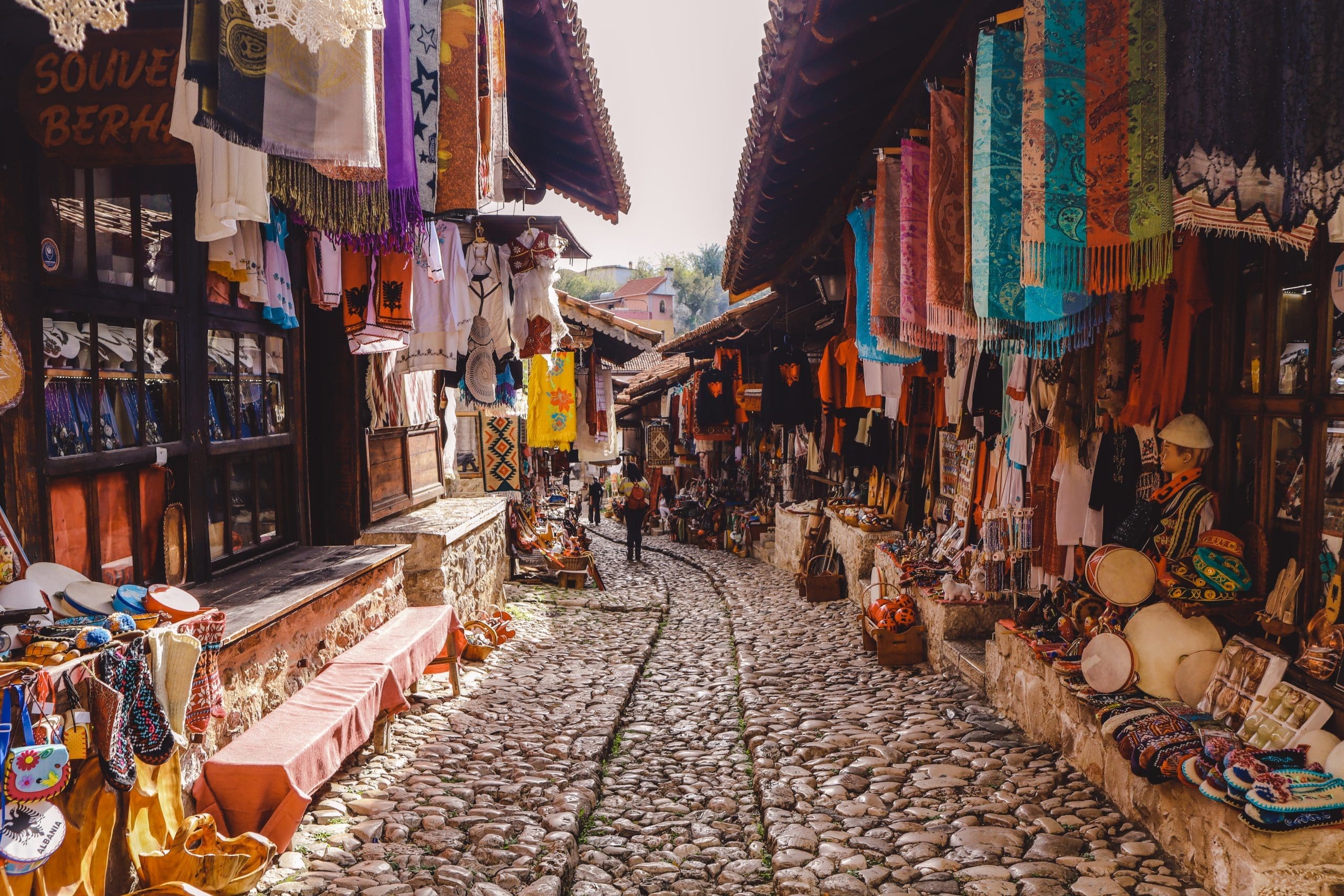
In addition, the old bazaar offers handmade carpets, copper items, woodwork, and souvenirs. Local restaurants serve Albanian specialities, including grilled meats, mountain cheeses, and fresh salads. Visitors may also try regional desserts and strong Albanian coffee. These experiences give groups useful contact with local traditions.

Kruje for B2B itineraries

Travel agencies can combine Kruje with Tirana for a balanced city and heritage program. The destination also works with Durres, where groups can add the Adriatic coast. For wider planning, see our Albania destination overview. RakiYa Travel can coordinate guides, transport, meals, and timed visits for professional groups.

Meanwhile, the town suits private groups, educational tours, incentive programs, and cultural circuits. English-speaking guiding is available with advance planning. Guides can adapt explanations for families, students, or specialist history groups. Local restaurants can usually arrange group menus with prior notice.

Kruje Castle and mountain setting

The castle occupies a rocky ridge above the town. Its walls surround museums, historic buildings, and viewpoints. Visitors can explore the Skanderbeg Museum and the Ethnographic Museum during a guided walk. The nearby Sari Salltik shrine adds a spiritual and scenic extension for suitable groups.

However, some streets around the bazaar use uneven stone paving. Comfortable shoes help, especially after rain. Coaches may need to remain outside the narrow historic area. As a result, clear arrival instructions improve group flow and comfort.

Overall, Kruje gives tour operators a concentrated cultural experience near Albania's main gateway. Its history, crafts, food, and views create strong program variety. For background planning, consult the English Wikipedia article about Kruje. The town is especially effective when paired with a knowledgeable local guide.

Visa requirements

Entry rules for Albania

Visa rules depend on nationality and travel purpose. Therefore, agencies should check each traveller's current requirements before confirming an itinerary. Albania permits visa-free entry for citizens of many countries, including the European Union, the United Kingdom, the United States, Canada, Australia, and several other states.

Visa-exempt visitors generally may stay up to 90 days within a 180-day period. Their passport should normally remain valid for at least three months after the planned departure. However, border officials may request proof of accommodation, onward travel, funds, and travel purpose.

Travellers from visa-required countries must apply before arrival. Albania also provides an official electronic visa application system for eligible applicants. Rules can change, so operators should verify details with the Albanian Ministry for Europe and Foreign Affairs or the nearest Albanian consulate.

  • Check requirements by nationality before booking.
  • Confirm passport validity and blank pages.
  • Review permitted stay length and entry conditions.
  • Carry accommodation and onward travel details.
  • Check separate rules for work, study, or long stays.

In short, RakiYa Travel can support itinerary planning but cannot replace consular advice. Each traveller remains responsible for holding the correct documents.

Languages spokenAlbanian is the main language; English and Italian are common in tourism.
Currency usedAlbanian lek (ALL).
Area (km2)372.5 km² (Krujë Municipality).
Country nameAlbania

Sports & nature

Mountain views and outdoor options

Kruje sits beneath a dramatic mountain ridge, with broad views over central Albania. Therefore, it adds a scenic outdoor element to cultural programs. Short walks around the castle and old town suit most visitors. Guides can also lead longer routes toward Mount Dajti foothills.

In addition, the road to Sari Salltik offers viewpoints and a higher mountain setting. The route suits small groups and active travellers. Operators should confirm road conditions and vehicle access before departure. Comfortable shoes remain useful on stone paths and uneven ground.

  • Castle walks with panoramic viewpoints
  • Short village and hillside walks
  • Scenic drives toward Sari Salltik
  • Nature extensions toward central Albanian mountains

Meanwhile, Kruje is not a major water-sports destination. It works best for gentle walking, sightseeing, and landscape photography. Specialist hiking programs need route checks and local guiding.

Nightlife info

Evenings in Kruje

Kruje has a quiet evening atmosphere rather than a busy club scene. Therefore, nightlife usually centres on traditional restaurants, cafés, and relaxed hotel terraces. Groups can enjoy dinner near the bazaar after visiting the castle. Some venues offer views across the plain after sunset.

In addition, Tirana provides a wider choice of bars, live music, and late-night venues. Agencies can place Kruje on a day program before returning to the capital. However, overnight guests can enjoy a calm evening with local food and conversation.

  • Traditional group dinners
  • Café visits and Albanian coffee
  • Hotel terrace drinks
  • Evening walks near the historic centre

Overall, Kruje suits cultural and scenic itineraries more than party-focused programs. RakiYa Travel can recommend venues and arrange reservations for groups.

Culture and history info

Kruje and Albanian national history

Kruje holds a central place in Albanian history. The castle became the stronghold of Gjergj Kastrioti Skanderbeg during the fifteenth century. Therefore, many visitors know the town as a symbol of resistance and national identity. The Skanderbeg Museum explains this period through objects, artwork, and interpretation.

Moreover, the Ethnographic Museum presents domestic life in a traditional Ottoman-era house. Visitors can see household tools, textiles, furniture, and local customs. The building itself adds value to the visit. Guides help groups connect the exhibits with wider Albanian culture.

Kruje Bazaar and living traditions

The old bazaar runs below the castle and remains a popular cultural highlight. Artisans and shopkeepers sell carpets, leather goods, copperware, woodwork, and souvenirs. In addition, the bazaar gives groups time for informal shopping. Guides can help visitors understand local products and fair purchasing practices.

Religious heritage also forms part of the town's story. The Dollma Tekke reflects the presence of Bektashi Islam in Albania. Sari Salltik represents another important spiritual site above the town. Visitors should dress respectfully and follow local guidance at active religious places.

Finally, Kruje supports meaningful encounters with Albanian food and hospitality. Restaurants can serve regional dishes for pre-booked groups. Cultural programs may include craft demonstrations or tastings when arranged in advance. These details help agencies build authentic, well-paced itineraries.

Unfortunately no tours were found.



© 2026 RakiYa Travel

  • Blog
  • Termini e Condizioni
x

Log in

Forgot your password?

x

Register

Italian
English