RakiYa Travel | Serbia Group Tours and Travel Guide for Agencies - RakiYa Travel
  • Services
    • Travel Experiences
    • MICE
  • Destinations
    • Albania
      • Albanian Riviera
        • Vlora
        • Dhermi
        • Himara
        • Saranda
        • Ksamil
        • Grama Bay
      • Albanian Alps
        • Shkodra
        • Theth
        • Valbone
      • UNESCO
        • Berat
        • Gjirokastra
      • City Breaks
        • Tirana
        • Shkodra
      • Korce
      • Durres
      • Kruje
    • Kosovo
      • Prizren
      • Pristina
    • Montenegro
      • Kotor
      • Budva
    • North Macedonia
      • Ohrid
      • Skopje
      • Mavrovo
      • Bitola
    • Bosnia and Herzegovina
      • Mostar
      • Sarajevo
      • Jajce
    • Serbia
      • Belgrade
      • Novi Sad
    • Croatia
      • Dubrovnik
    • Greece
      • Corfu
  • Enquire now
  • Register as a partner
  • Blog
  • About us
shopping_cart 0
  • General information
  • Sports & nature
  • Nightlife
  • Culture and history
  • Tours

Serbia

Serbia is a landlocked Balkan country with strong city, nature, and cultural appeal. It sits between Central and Southeast Europe. The Danube and Sava rivers meet in Belgrade, the lively capital. Serbia also shares borders with Hungary, Romania, Bulgaria, North Macedonia, Kosovo, Montenegro, Bosnia and Herzegovina, and Croatia.

For tour operators, Serbia offers varied programs within manageable driving distances. Belgrade suits city breaks, events, nightlife, and river cruises. Novi Sad adds Austro-Hungarian charm, wine routes, and the Petrovaradin Fortress. Niš brings Roman history and a relaxed southern atmosphere. Smaller towns offer local food, monasteries, and traditional villages.

Serbia for Group Travel

Moreover, the country works well for escorted tours across the Balkans. Coaches can connect Belgrade with Novi Sad, Zlatibor, Tara, and Niš. The road network supports flexible touring, while rail services suit selected city links. RakiYa Travel can help agencies plan hotels, guides, transport, meals, and experiences.

For example, a short program can combine Belgrade with Novi Sad and a Fruška Gora wine visit. Longer routes can add monasteries, mountain resorts, and river landscapes. Groups can also pair Serbia with North Macedonia or other Balkan destinations.

Belgrade and Novi Sad

Belgrade combines historic quarters, modern galleries, cafes, and broad river views. Kalemegdan Park surrounds the old fortress above the Danube and Sava. Meanwhile, Skadarlija offers traditional restaurants and live music. The city also hosts major concerts, congresses, and sporting events.

Novi Sad feels smaller and more relaxed. Its pedestrian centre features elegant squares, museums, and restaurants. Then, across the river, Petrovaradin Fortress provides striking views. The annual EXIT Festival makes the fortress a major summer attraction.

Nature, Food, and Wine

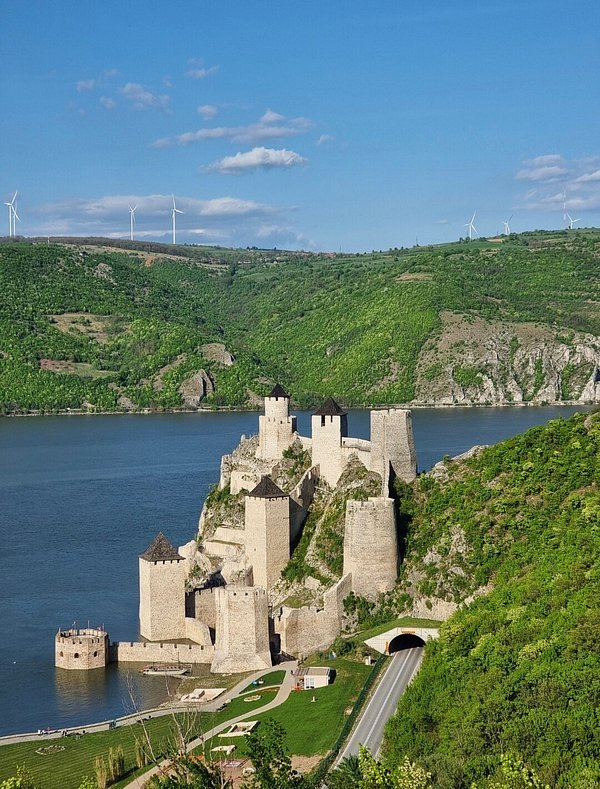
In addition, Serbia has forests, gorges, lakes, and rolling hills. Tara National Park offers viewpoints, hiking trails, and rich wildlife. Đerdap National Park follows the Danube through the Iron Gates gorge. Zlatibor provides mountain scenery, family activities, and winter sports.

Food adds strong value to group itineraries. Serbian menus include grilled meats, beans, fresh salads, pies, and hearty stews. Local rakija often accompanies meals, while Šumadija and Fruška Gora produce notable wines. For agencies, farm visits and tastings can add authentic moments without complex logistics.

Finally, Serbia rewards travelers who enjoy history and local contact. Roman sites, medieval monasteries, fortresses, and modern cultural venues create balanced programs. Read more in the English Wikipedia article about Serbia. Overall, the destination offers good variety for escorted groups, incentive travel, and regional touring.

Visa requirements

Serbia is not part of the European Union or the Schengen Area. Visa rules depend on nationality, passport type, and travel purpose. Tour operators should check current requirements with the Serbian Ministry of Foreign Affairs before confirming a group.

Generally, citizens of the European Union, European Economic Area, Switzerland, the United States, Canada, Australia, New Zealand, Japan, and many other countries can enter visa-free for short stays. The usual allowance is up to 90 days within a 180-day period. However, eligible travelers must hold a valid passport or accepted identity document.

Nationals who do not qualify for visa-free entry need a Serbian visa before travel. Passport validity, supporting documents, insurance, accommodation details, and return travel may apply. Requirements can differ for organized groups, business visits, or longer stays.

In addition, visitors must follow Serbian accommodation registration rules. Hotels normally complete this process for guests. Private hosts should confirm registration procedures with local authorities.

Finally, rules can change without notice. Agencies should verify each traveler’s nationality, passport validity, and route before departure. For official guidance, consult the Serbian diplomatic mission and the Ministry of Foreign Affairs.

Languages spokenSerbian is the official language; English is common in tourism, with Hungarian, Bosnian, Slovak, Romanian, and other minority languages also spoken.
Currency usedSerbian dinar (RSD)
Area (km2)77,474 km²
Country nameSerbia

Sports & nature

Mountain Activities

Serbia offers hiking, cycling, skiing, and rafting across varied landscapes. Tara National Park has forest trails and famous river viewpoints. Zlatibor combines gentle mountains with family-friendly outdoor activities. Kopaonik provides the country’s leading ski area, with slopes for different skill levels.

Moreover, Fruška Gora suits walking tours, cycling routes, and wine visits. The mountain sits near Novi Sad and works well for day trips. Guides can combine nature walks with monasteries and rural meals.

Rivers and Lakes

The Danube creates excellent scenery for cruises, kayaking, fishing, and riverside touring. Đerdap National Park follows the river through the dramatic Iron Gates gorge. Meanwhile, the Sava and Drina rivers support rafting and other water activities.

For example, groups can enjoy boat trips near Belgrade or explore peaceful lakes near mountain resorts. Adventure programs should match seasonal water levels and local safety rules. Overall, Serbia suits active itineraries that balance outdoor time with culture.

Nightlife info

Belgrade After Dark

Belgrade has one of the strongest nightlife scenes in the Balkans. Bars, clubs, music venues, and river boats fill the city centre and riverbanks. Skadarlija offers traditional restaurants with live music and local dishes.

Meanwhile, Savamala and the Dorćol district attract creative venues and cocktail bars. Floating clubs, known locally as splavovi, operate along the Sava and Danube. Their programs often focus on electronic music, pop, or live performances.

Other Evening Options

Novi Sad has a lively student scene and many relaxed bars. The city becomes especially active during the EXIT Festival. Niš offers traditional taverns, music venues, and informal evening dining.

For groups, agencies can arrange restaurant evenings, tastings, live music, or private venues. However, opening hours and event schedules change by season. Local partners should confirm access, deposits, and transport plans before arrival.

Culture and history info

Serbia Through the Ages

Serbia has a long history shaped by Roman, Byzantine, Ottoman, and Austro-Hungarian influences. Belgrade Fortress reflects its strategic role at the meeting of two rivers. Niš preserves Roman links through the birthplace of Emperor Constantine the Great.

Moreover, medieval Serbian rulers created important monasteries and religious art. Studenica, Žiča, and Sopoćani show distinctive Serbian Orthodox traditions. Several sites hold UNESCO recognition and suit guided cultural programs.

Living Culture

Serbian culture values hospitality, music, food, and family gatherings. Folk dancing and brass music remain important in many regions. Guča hosts a famous trumpet festival, while Novi Sad hosts the EXIT Festival.

Food tours can feature ćevapi, pljeskavica, sarma, kajmak, and homemade pastries. Rakija tasting also provides a popular introduction to local customs. Meanwhile, craft workshops and village visits create direct contact with communities.

For tour operators, Serbia supports clear storytelling through museums, fortresses, monasteries, and culinary experiences. Programs can remain educational while still feeling relaxed and social. Local guides add context to sensitive historical subjects and regional traditions.

Unfortunately no tours were found.



© 2026 RakiYa Travel

  • Blog
  • Terms and Conditions
x

Log in

Forgot your password?

x

Register

English
Italian