Saranda
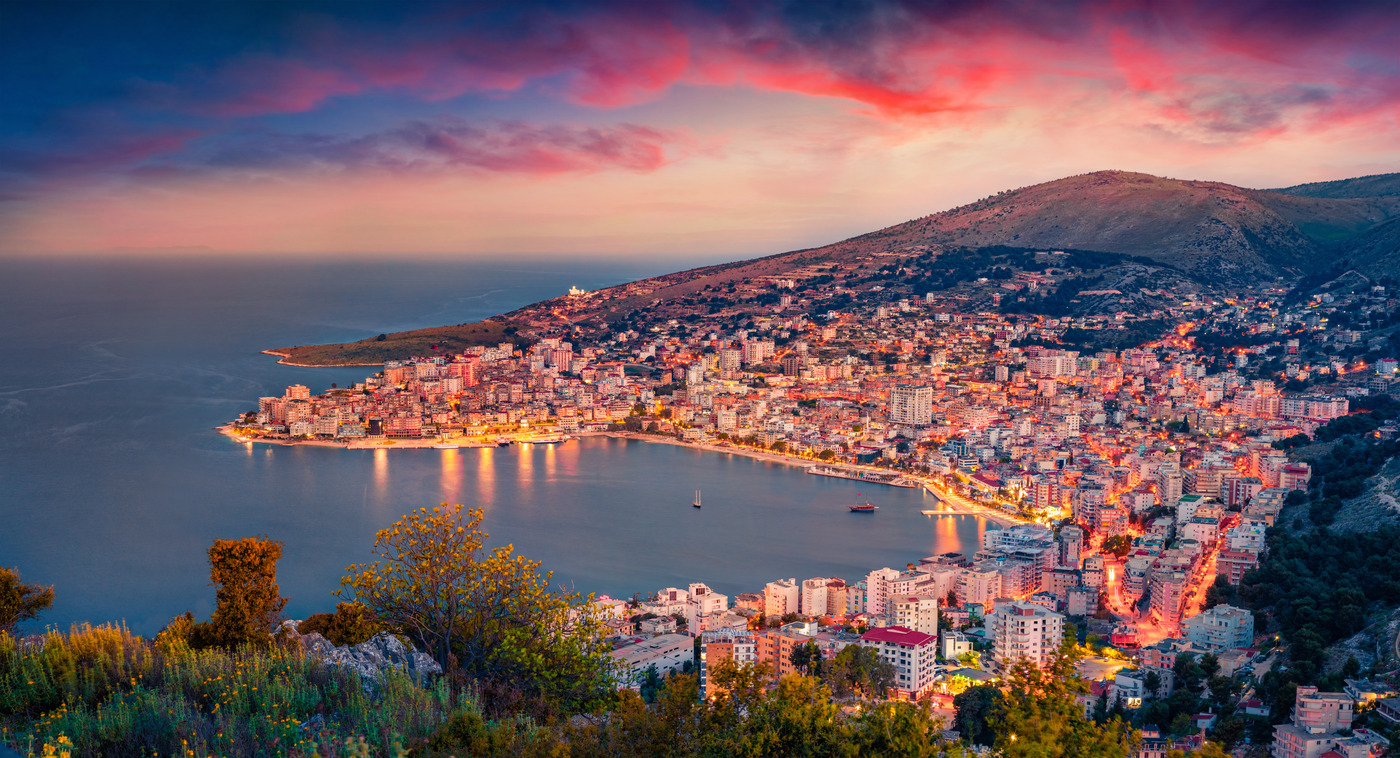
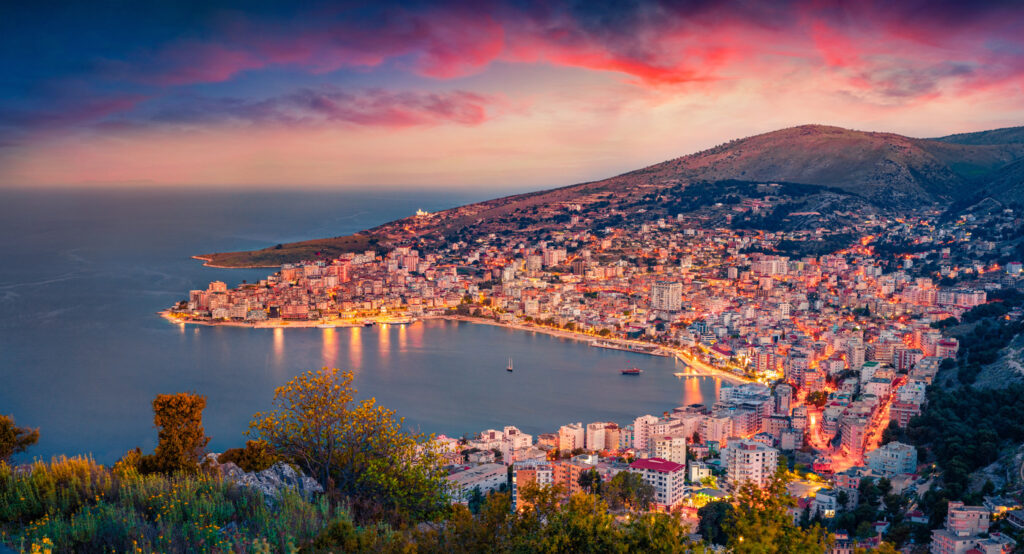
Saranda is a lively coastal city in southern Albania, set on the Ionian Sea opposite Corfu. Its waterfront promenade, swimming spots, restaurants and ferry connections make it a practical arrival point for southern Albania programmes. The city also works well as a base for combining seaside leisure with archaeology, local food and day trips along the Albanian Riviera. The National Tourism Agency describes Saranda as a gateway to the region’s beaches, cultural heritage, marine activities and nearby natural attractions.
For international travel professionals, Saranda fits cultural and escorted tours, FIT programmes, self-drive holidays, coastal breaks and selected incentive itineraries. Travellers often enjoy evening walks along the promenade, where sea views, cafés and restaurants create an easy introduction to the city. However, the town is hilly, traffic and parking can be challenging in high season, and the built-up waterfront may feel busier than the smaller coastal settlements nearby. These practical points are useful when choosing accommodation, planning coach movements and setting realistic expectations for clients.
Saranda as a base for southern Albania
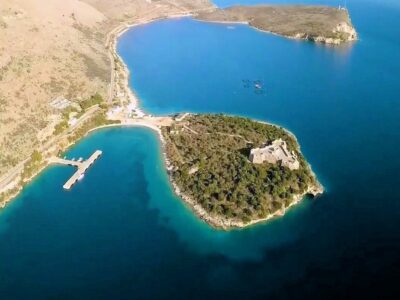
The city is particularly valuable as a base for excursions. Butrint lies approximately 20 kilometres away and is one of the country’s major archaeological sites. Its remains reflect Greek, Roman, Byzantine and Venetian periods within a Mediterranean landscape. The Butrint UNESCO World Heritage site is frequently regarded by visitors as the area’s strongest cultural highlight, so it deserves sufficient time in an escorted programme rather than a rushed stop.
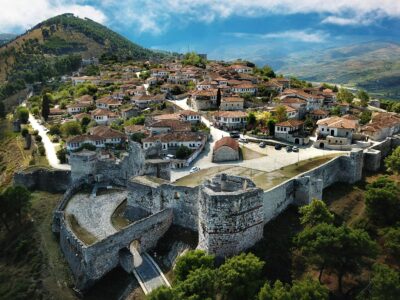
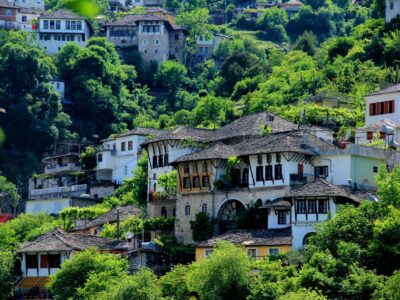
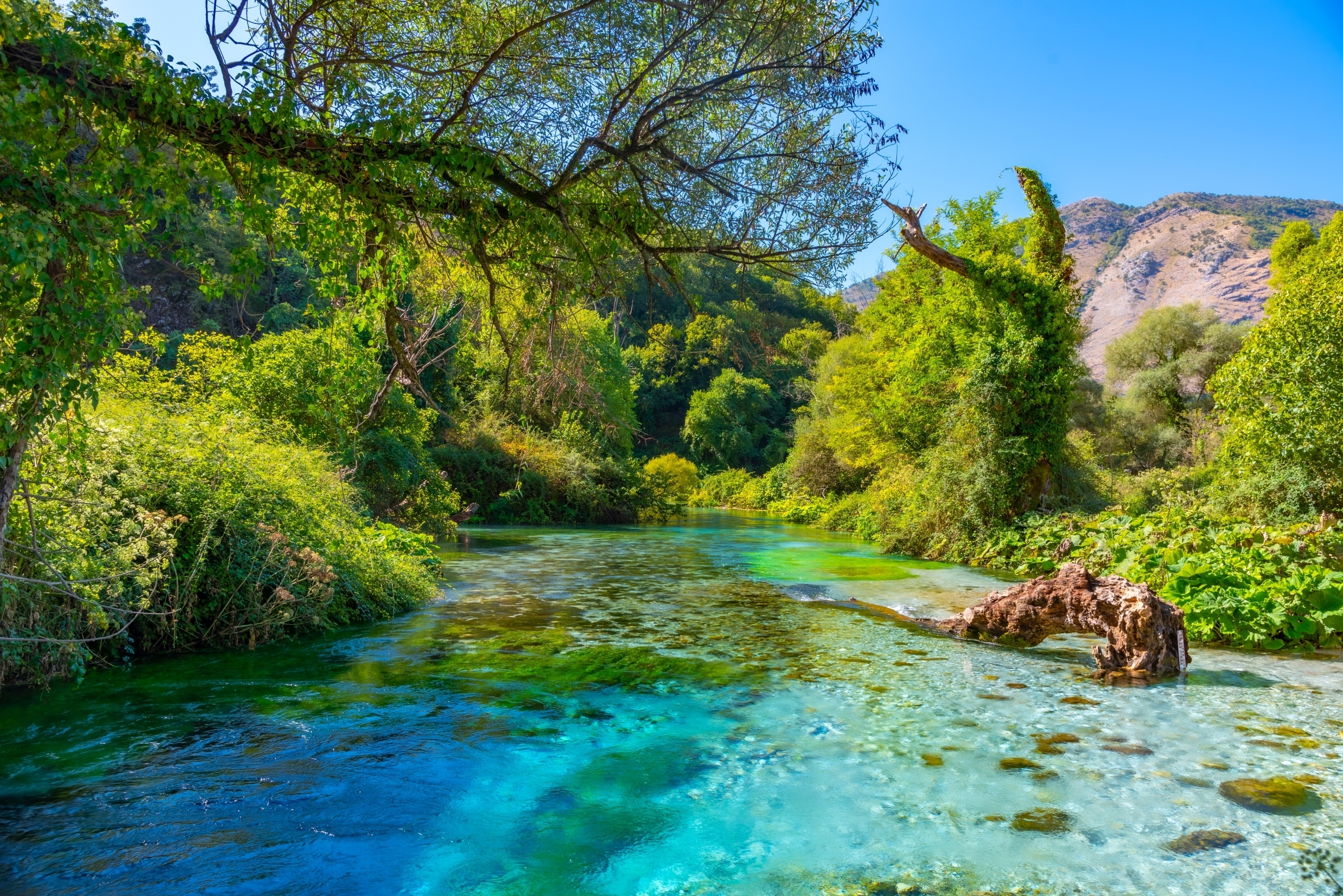
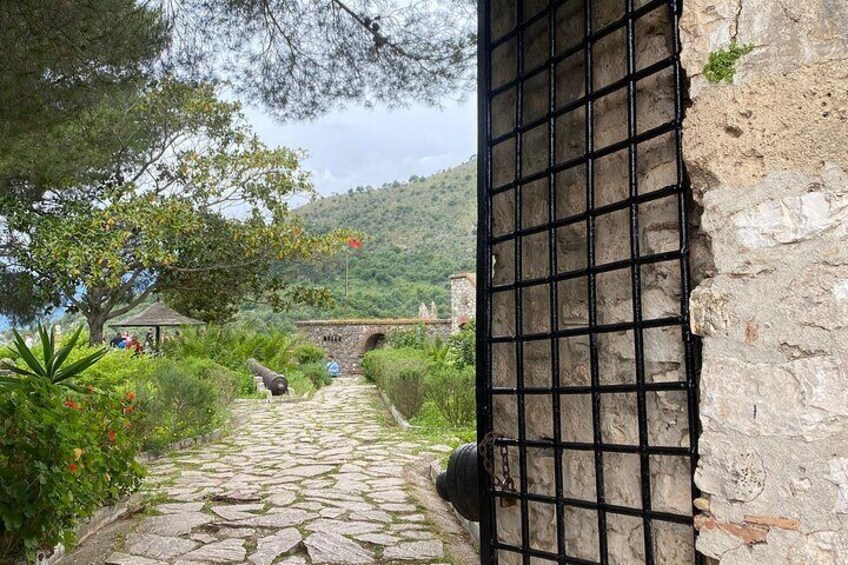
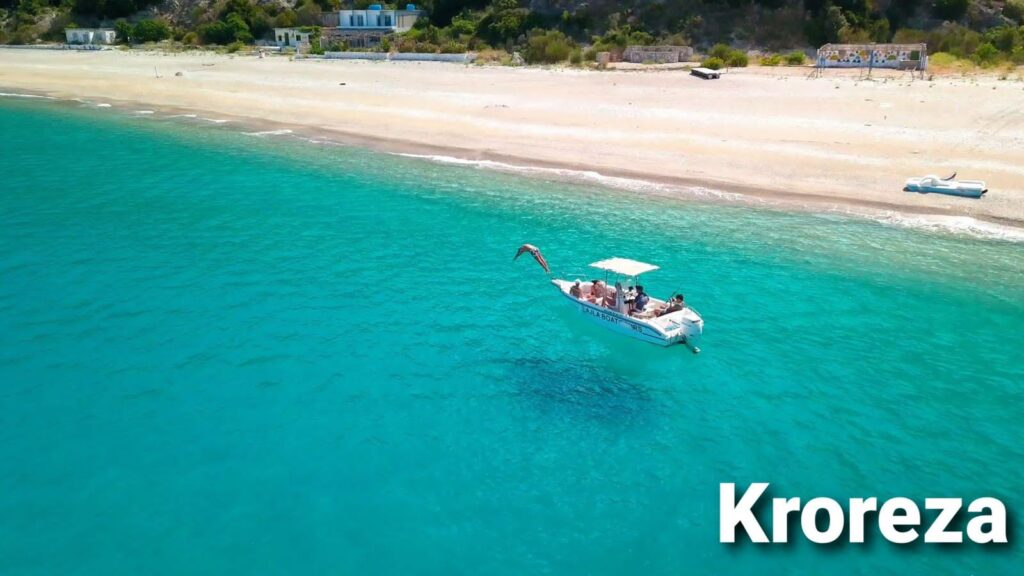
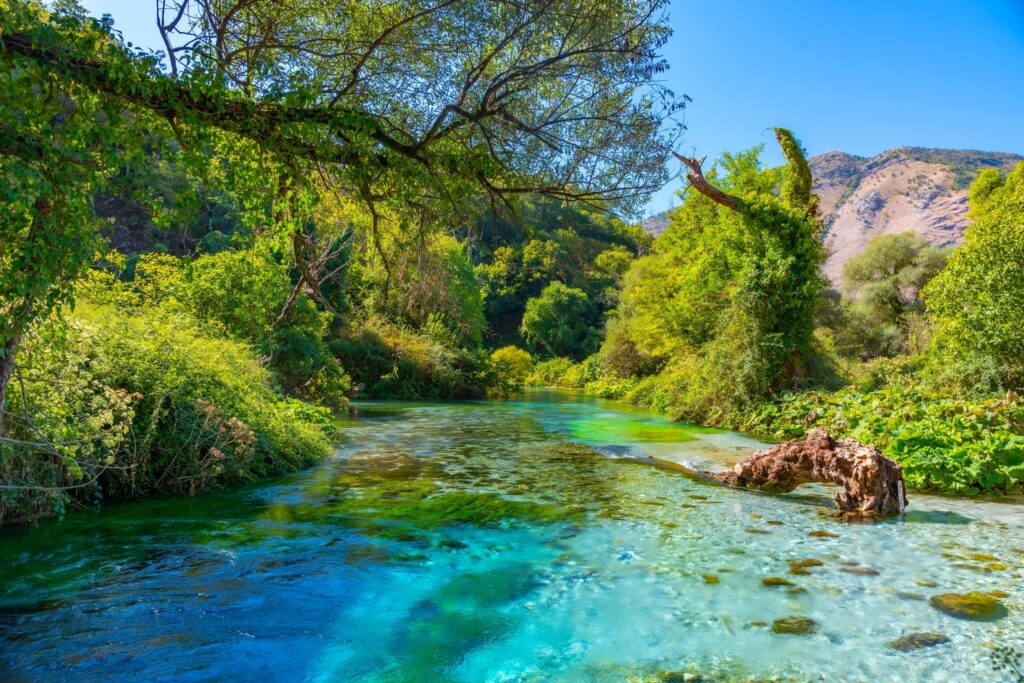
Nearby Ksamil is known for beaches and small boat excursions, while the Blue Eye offers a contrasting inland experience at a protected karst spring. Gjirokastër, with its Ottoman-era urban fabric and castle, can extend a Saranda stay into a wider heritage itinerary. A typical programme might allow two or three nights in the area, depending on whether the emphasis is beach time, Butrint, nearby nature or a broader southern Albania circuit.
Planning a Saranda itinerary
The best period depends on the product. May, June, September and early October generally suit sightseeing and escorted touring, with warm conditions and fewer peak-season pressures than July and August. The height of summer is appropriate for beach programmes, but demand, traffic and crowding increase, particularly around Ksamil. Travellers often recommend September or weekdays for a more manageable experience. Boat excursions, beach services and ferry schedules can be seasonal, while weather may affect marine activities.
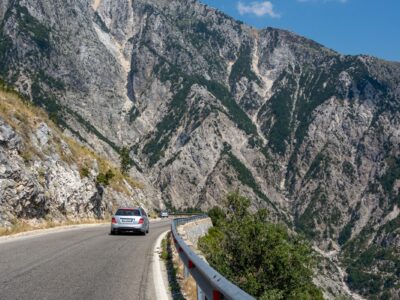
Access is commonly organised through Corfu by ferry or overland from Tirana and other Albanian destinations. Driving times depend on the route, border and traffic conditions, so operators should build in flexibility and arrange transport in advance for Butrint, Ksamil, the Blue Eye and more remote bays. RakiYa Travel, a licensed Albanian DMC and incoming tour operator, can organise accommodation, private vehicles, group coaches, professional guides, activities and ground-handling support for tailor-made programmes and escorted groups in Albania. Its local coordination also supports food experiences, coastal touring and multi-country Balkan itineraries. Relevant programme examples include the Albania cultural tour, which combines the Ionian coast with the country’s heritage highlights.
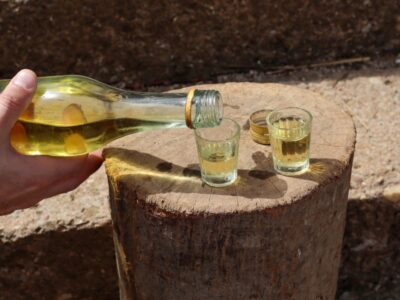
Local dining is another reason to include the city. Seafood, grilled specialities, seasonal produce and Albanian hospitality can be incorporated through carefully selected restaurants and authentic culinary encounters. For MICE and corporate groups, Saranda offers a coastal setting for flexible retreats, team activities and informal evening programmes, although venue capacity, transport movements and seasonal availability should be confirmed early.
Saranda for coastal and cultural programmes
Overall, Saranda is most effective when used as part of a balanced itinerary rather than presented only as a beach resort. Pairing the city with Butrint, Ksamil, the Blue Eye, Gjirokastër and selected Riviera stops gives clients a stronger sense of southern Albania’s history, landscape and everyday culture.
| Visa requirements | Albania’s visa and entry requirements depend on the traveller’s nationality, passport, purpose of travel and intended length of stay. Some nationalities may enter without a visa for short visits, while others must obtain a visa before arrival. Travellers should hold a passport or travel document accepted by Albanian authorities and check the latest requirements with an Albanian embassy, consulate or official government source before booking. For international groups, travel professionals should confirm passport validity, visa processing times, supporting documents, border procedures and any requirements for minors or organised tours. Requirements can change, and ferry travel between Corfu and Saranda involves an international border crossing, so passenger documentation should be checked for every itinerary. |
|---|---|
| Languages spoken | Albanian is the official language; English and other foreign languages are commonly used in tourism, especially in Saranda. |
| Currency used | The official currency is the Albanian lek (ALL). |
| Area (km2) | Area: not specified for the city page. |
| Country name | Albania |