RakiYa Travel | Ljubljana Group Tours and Travel Guide - RakiYa Travel
  • Servizi
    • Esperienze di Viaggio
    • MICE & Corporate Events
  • Destinazioni
    • Albania
      • Tirana
      • Riviera Albanese
        • Vlora
        • Saranda
        • Himara
        • Dhermi
        • Ksamil
        • Grama Bay
        • Gjipe Beach & Canyon
      • Alpi Albanesi
        • Theth
        • Valbone
      • Berat
      • Gjirokastra
      • Shkodra
      • Korce
      • Durres
      • Kruje
    • Greece
      • Corfu
      • Thesaloniki
      • Parga
    • Croatia
      • Dubrovnik
      • Zagreb
      • Split
      • Krka National Park
      • Plitvice Lakes National Park
    • Slovenia
      • Ljubljana
      • Lake Bled
    • Macedonia del Nord
      • Ohrid
      • Skopje
      • Mavrovo
      • Bitola
    • Montenegro
      • Kotor
      • Budva
      • Perast
      • Durmitor National Park
    • Bosnia and Herzegovina
      • Mostar
      • Sarajevo
      • Jajce
      • Blagaj
      • Srebrenica
    • Kosovo
      • Prizren
      • Pristina
    • Serbia
      • Belgrade
      • Novi Sad
    • Meteora
  • Richiedi Informazioni
  • Registrati come Partner
  • RakiYa Insights
    • Travel Trade & DMC Insights
    • Destination Insights
      • Balkans Travel Insights
      • Greece Insights
      • Albania Insights
      • Croatia Insights
      • Montenegro Insights
      • North Macedonia Insights
      • Bosnia & Herzegovina Insights
      • Kosovo Insights
      • Serbia Insights
    • MICE & Corporate Events
  • Chi Siamo
shopping_cart 0
  • General information
  • Sports & nature
  • Nightlife
  • Culture and history
  • Tours

Ljubljana

Ljubljana is Slovenia’s compact capital and a graceful base for Central European group tours. The city combines a medieval old town, a lively riverfront, and easy access to alpine landscapes. Its calm scale suits cultural breaks, incentive trips, and multi-country itineraries. Ljubljana also works well for travellers who value short transfers and strong local experiences.

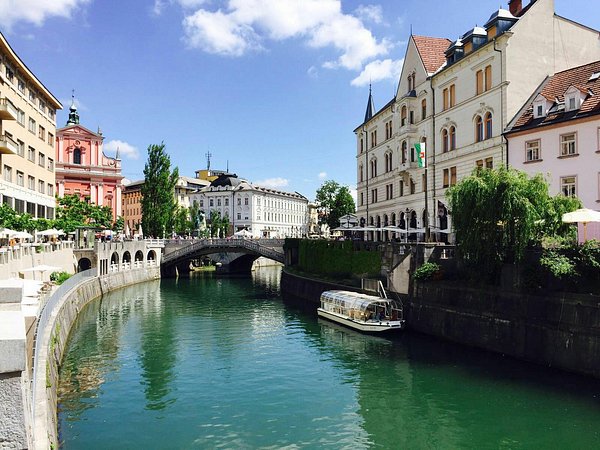
Located between the Alps and the Karst region, the city offers varied scenery within a short drive. The Ljubljanica River flows through the historic centre. Bridges, riverside cafés, and leafy squares create a relaxed setting for guided walks. In addition, the city centre is largely pedestrianised, which helps groups move comfortably between key sights.

Ljubljana for group travel

Tour operators can build flexible programmes around the city’s central landmarks. Ljubljana Castle provides wide views over the rooftops and surrounding hills. The castle can also support guided visits, tastings, and private events. Meanwhile, Prešeren Square, the Triple Bridge, and the Central Market offer a natural walking route.

For groups, hotels range from modern properties to characterful buildings near the old town. Restaurants serve Slovenian dishes, regional wines, and seasonal produce. For example, suppliers can arrange market visits, cooking activities, and hosted dinners. The city’s café culture also gives free time a pleasant local feel.

Ljubljana has practical connections for regional touring. Jože Pučnik Airport lies around 25 kilometres from the centre. Transfers from the airport usually take about 30 minutes, depending on traffic. Rail and road links connect the capital with Bled, the coast, Croatia, Austria, and Italy. As a result, planners can use the city as a hub for wider Slovenia programmes.

Experiences and seasonal planning

Spring and early autumn bring comfortable conditions for walking tours and outdoor excursions. Summer adds river activities, open-air events, and longer evenings. However, winter creates a cosy atmosphere around festive markets and illuminated streets. Each season supports a different product angle for leisure groups and special-interest travel.

Popular extensions include Lake Bled, the Julian Alps, Postojna Cave, and the Slovenian coast. Guides can combine these places with food, nature, and heritage themes. A well-paced itinerary should allow time for the city’s museums and riverside spaces. It should also account for coach access and walking distances within the centre.

For planning inspiration, consult the Slovenia destination page and the English Wikipedia article about Ljubljana. RakiYa Travel supports tour operators and travel agencies with destination planning, local suppliers, transport, guides, and tailored programmes.

Visa requirements

Entry rules for Slovenia

Slovenia belongs to the Schengen Area. Citizens of European Union and European Economic Area countries, plus Switzerland, can enter with a valid identity card or passport. Other nationalities may need a Schengen short-stay visa. Visa needs depend on nationality, travel purpose, and passport type.

Visa-exempt non-EU travellers can usually stay for up to 90 days within any 180-day period. This rule covers the whole Schengen Area, not only Slovenia. Travellers normally need a passport issued within the previous ten years. It should remain valid for at least three months after planned departure.

For longer stays, work, study, or residence, travellers usually need a national visa or residence permit. Applications should go through the responsible Slovenian embassy or consulate. In addition, travellers should carry accommodation, return travel, insurance, and financial evidence when required.

Rules can change, so agencies should verify requirements before ticketing. Check official Slovenian and EU sources for each passenger’s nationality. ETIAS is scheduled for future implementation for visa-exempt visitors, so confirm its status before travel.

Languages spokenSlovene is the official language; English and German are widely understood, with Italian and Hungarian also recognised regionally.
Currency usedEuro (EUR).
Area (km2)275 km² (Ljubljana City Municipality).
Country nameSlovenia

Sports & nature

Outdoor activities around Ljubljana

Ljubljana offers easy access to forests, hills, rivers, and alpine scenery. Groups can enjoy active programmes without long transfers from the city centre. The Ljubljanica supports gentle boat trips and riverside walks. Cycling also suits the city, thanks to its compact layout and extensive cycle routes.

For example, guided hikes can explore Rožnik Hill, Šmarna Gora, or the wider Ljubljana Marshes. These areas suit light walking, birdwatching, and nature-focused tours. Meanwhile, the nearby Kamnik-Savinja Alps provide stronger hiking and adventure options. Winter programmes can include skiing at resorts within a practical driving range.

  • Walking and cycling tours through the city and surrounding green areas
  • Boat excursions on the Ljubljanica River
  • Hiking on Šmarna Gora and in the nearby hills
  • Day trips to Lake Bled, the Julian Alps, and Lake Bohinj
  • Caving and nature excursions around the Slovenian Karst

In addition, the city works well as a soft-adventure base for mixed-ability groups. Suppliers can combine sightseeing with kayaking, hiking, or scenic rail journeys. Seasonal conditions should guide route choices and equipment planning.

Nightlife info

Evenings in Ljubljana

Ljubljana has a relaxed nightlife scene centred on the riverfront and old town. Bars, wine rooms, cafés, and small music venues line the Ljubljanica. Groups can begin with a hosted dinner before enjoying an informal evening walk. The compact centre makes several venues easy to combine.

For example, the Metelkova district offers alternative culture, street art, and late-night venues. Live music appears in clubs, cultural centres, and seasonal outdoor spaces. Meanwhile, riverside terraces suit quieter evenings and summer drinks. The city generally feels lively without the scale of a major party destination.

  • Riverside dinners and wine tastings
  • Craft beer and local spirits experiences
  • Live music and cultural performances
  • Alternative nightlife around Metelkova
  • Seasonal festivals and open-air events

Tour operators should check opening times and event calendars before confirming group plans. In addition, private venues can help create a smoother experience for larger parties.

Culture and history info

History and heritage

Ljubljana grew around a strategic river crossing beneath a castle hill. Roman Emona stood here before the medieval settlement developed. The city later became an important centre within the Habsburg lands. Its architecture reflects Roman, medieval, Baroque, and modern influences.

Today, Ljubljana Castle remains the city’s most recognisable historic landmark. The old town includes Mestni Trg, St Nicholas Cathedral, and the Town Hall. Jože Plečnik shaped much of the modern cityscape. His bridges, colonnades, markets, and embankments give the centre a distinctive visual identity.

Ljubljana museums and local life

For example, the National Gallery and the Museum of Contemporary History support varied cultural programmes. The City Museum explains the capital’s long development. The Central Market introduces local products and everyday traditions. In addition, galleries and independent venues add a contemporary layer.

Groups can explore heritage through guided walks, architecture tours, museum visits, and food experiences. Seasonal festivals bring music, theatre, and design into public spaces. Meanwhile, Slovenian cuisine highlights fresh produce, Alpine influences, and regional wines. These experiences create strong options for cultural and premium itineraries.

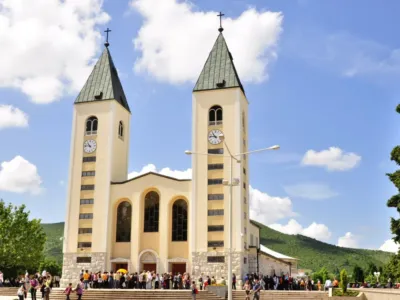
Pilgrims gather outside St James Church in Medjugorje beneath blue skies

Balkans Christian Pilgrimage Tour

From €

A 10-day private Christian pilgrimage across Montenegro, Croatia, Bosnia and Herzegovina and Slovenia, combining Marian shrines, monasteries, cathedrals and historic Christian heritage.

PRENOTA ORA


© 2026 RakiYa Travel

  • Albania Insights
  • Termini e Condizioni
x

Log in

Forgot your password?

x

Register

Italian
English