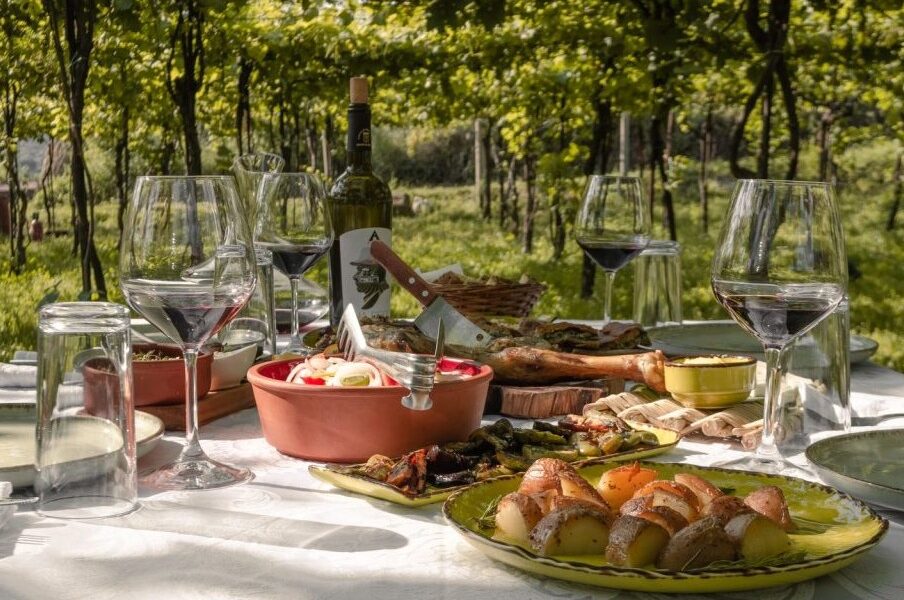
Albania’s food culture is one of the most underused selling points in the destination’s travel trade proposition. For agencies sourcing group tours, incentive programs, or cultural itineraries, culinary experiences offer a dimension that differentiates a program from a standard circuit and generates strong client engagement. Albania’s cuisine is rooted in Mediterranean and Ottoman traditions, shaped by a landscape that produces exceptional olive oil, fresh vegetables, lamb, seafood, and native grape varieties. Combined with a deeply embedded culture of hospitality, it delivers an authentic food experience that clients are increasingly looking for.
This guide covers what Albania food tours and culinary experiences look like in practice for travel agencies, the key experiences to include across different program types, and how RakiYa Travel structures culinary elements within group itineraries.
Why Albania’s Food Culture Works for Group Travel
Culinary tourism is one of the fastest-growing segments in international group travel. According to the World Tourism Organization (UNWTO), food and gastronomy consistently rank among the top three motivators for travel among culturally motivated groups. Albania is particularly well positioned in this space for two reasons.
First, the cuisine is genuinely distinctive. Influenced by Mediterranean, Ottoman, and Balkan traditions, Albanian food is neither widely known nor widely replicated elsewhere. Archaeological evidence suggests wine production in Albania dates back approximately 3,000 years, and many traditional dishes and production methods have survived largely unchanged. Clients encounter something genuinely new, which translates into strong post-trip satisfaction and referrals.
Second, food in Albania is inseparable from hospitality. The Albanian code of honour, known as besa, places extraordinary importance on welcoming and feeding guests. A cooking class with a local family, a farm-to-table lunch in the countryside, or a raki tasting at a highland distillery are not staged experiences. They reflect how Albanians actually live and host. That authenticity is exactly what culturally motivated travel buyers are sourcing.
Albanian Cuisine: What Groups Will Encounter
Albanian cuisine varies significantly by region. Understanding this geography helps agencies build programs with culinary variety rather than repetition across a multi-day itinerary.
Key Dishes and Ingredients
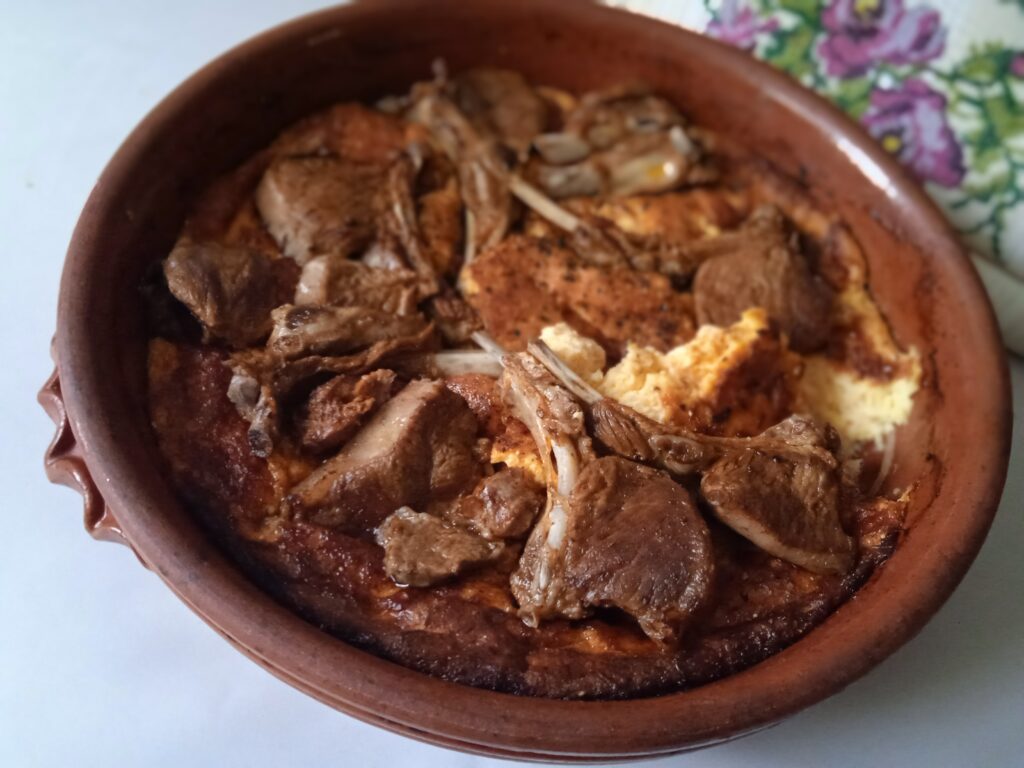
Tavë kosi is Albania’s national dish: a slow-baked lamb and yogurt casserole with a golden custard crust, traditionally prepared for special occasions and family gatherings. A version made with veal is equally common in central Albania, particularly around Elbasan. It is the single most representative dish for any group dinner in Tirana or the cultural interior.
Byrek and pite are the two names for Albania’s beloved filled phyllo pastry, used interchangeably depending on the region. Fillings range from spinach and cheese to meat, pumpkin, or potato. Flia, a layered pancake cooked slowly under hot coals and brushed with cream between each layer, is the more labour-intensive highland cousin of byrek, deeply embedded in northern Albanian and Kosovo traditions and typically reserved for celebrations and family gatherings. It carries significant cultural weight and is one of the more memorable culinary encounters for groups visiting the Albanian Alps region.
Fërgesë is a baked cheese and roasted pepper dip unique to Tirana, typically served as a starter with bread and olive oil.
Qofte, herb-seasoned lamb or beef meatballs grilled over charcoal, appear on virtually every traditional Albanian menu. Qifqi is a Gjirokastra speciality: rice and herb fritters that are entirely vegan and one of the few dishes specific to a single Albanian city, making them a strong inclusion for groups visiting the UNESCO south.
Along the Albanian Riviera, fresh seafood takes precedence. Grilled sea bass, mussels, octopus, calamari, and brodet, a traditional fish stew cooked with tomato and garlic, reflect both the Ionian coastline and the strong Italian culinary influence in southern Albania. The carp dishes of Shkodra, drawn from Lake Shkodra, represent a distinct northern freshwater tradition worth highlighting for culturally motivated groups.
Desserts and Sweet Traditions
Albania’s dessert culture is rooted in Ottoman influence and regional tradition. Baklava with walnuts and honey syrup, kadaif with shredded pastry and walnuts, and shëndetli, a honey and almond nougat specific to the Përmet region, are the most representative sweets for culinary group programs. Petulla, fried dough served with powdered sugar, jam, or cheese, is Albania’s most universal street dessert. Ballokume, a cornmeal cookie from Elbasan traditionally baked for the Albanian Spring Day celebration on 14 March, is one of the most culturally specific sweets in the country. Gliko, the preserved fruit conserves of Përmet made from figs, walnuts, and other local fruits, is a signature product of the Vjosa Valley and a standard tasting stop on any culinary program through southern Albania.
Regional Culinary Variation
The north, centred around Shkodra and the Albanian Alps, is known for hearty mountain cooking: lamb dishes, cornmeal, mountain cheese, and flija, a layered pancake cooked under hot coals that is specific to the Albanian highlands and Kosovo. The south, particularly around Gjirokastra and the Riviera, brings a lighter Mediterranean character with more olive oil, seafood, and citrus influence. Berat sits at the centre of Albania’s emerging wine country and offers the strongest combination of food, wine, and cultural heritage within a single destination.
Wine, Raki, and Albanian Drinks Culture
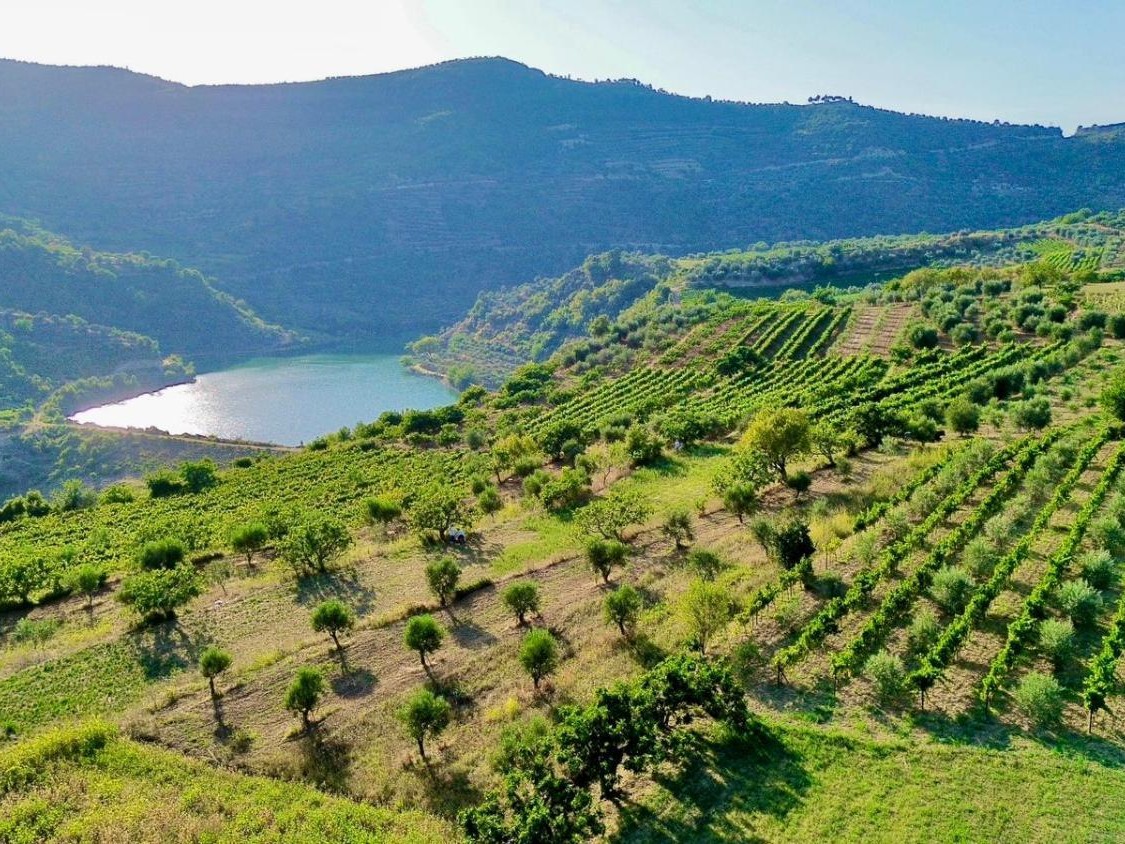
Albania’s drinks culture is a significant culinary asset for group programs. Two categories stand out for travel trade purposes.
Albanian wine is experiencing a genuine renaissance. Native grape varieties including Kallmet, Shesh i Zi, and Shesh i Bardhë produce distinctive reds and whites, particularly in the regions around Berat, Korçë, and Shkodra. Winery visits and wine tastings in Berat are among the most requested additions to cultural group itineraries and work well for both leisure and incentive programs. The relative obscurity of Albanian wine in international markets is itself a selling point for clients who value discovery over familiarity.
Raki is the national spirit, a clear brandy distilled primarily from grapes, though plum, mulberry, and other fruit versions exist across different regions. It holds deep cultural significance and features at virtually every social gathering, celebration, and meal. A visit to a small-scale raki producer or a highland family who distils their own is one of the most authentic and memorable experiences available to groups in Albania, and one that competitors in established Mediterranean destinations simply cannot replicate.
For agencies sourcing premium incentive programs, combining a raki discovery with a traditional Albanian lunch and a vineyard visit in the Berat region creates a half-day program that consistently produces strong client feedback. RakiYa Travel operates a dedicated Albanian Raki Discovery Tour for groups wanting to explore this tradition in depth across Berat, Përmet, and Korçë.
Culinary Experiences to Build Into Group Programs
The following formats integrate well into group itineraries at different program levels:
- Cooking classes with local families: Available in Tirana, Berat, Shkodra, and several rural locations. A two to three hour class typically covers byrek, a main dish, and a traditional dessert, with the meal shared at the table. This format works across cultural, incentive, and team-building programs and adapts well to mixed dietary requirements.
- Market visits: Tirana’s Pazari i Ri, the New Bazaar, is one of the most photogenic and culturally rich market environments in the Balkans. A guided morning visit combining tastings of local produce, cheese, olives, and street food is a strong opening activity for urban programs.
- Farm-to-table lunches: Several farms and agro-tourism restaurants within driving distance of Tirana and Berat offer full group lunches with produce grown on site. These venues are particularly effective for incentive and corporate retreats where the setting is part of the value proposition.
- Winery and raki distillery visits: Best anchored in or around Berat. Combine naturally with a UNESCO city tour for a full-day cultural and culinary program.
- Traditional gala dinners: For incentive programs, a traditional Albanian dinner in a heritage setting, a restored Ottoman house, a vineyard terrace, or a coastal venue with live folk music and traditional cuisine, delivers a high-impact evening program that requires strong local supplier relationships to execute well.
Culinary Tourism Across the Wider Balkans
Albania’s culinary dimension also extends naturally into multi-country programs. Kosovo shares many of Albania’s food traditions, including byrek, flija, and raki culture, with its own regional variations. North Macedonia’s Lake Ohrid region offers fresh lake trout and a distinct wine culture that pairs well with the Albanian program. For operators building Balkans culinary circuits, the combination of Albania, Kosovo, and North Macedonia gives a program genuine variety within a coherent regional food narrative. See our guide to multi-country Balkans programs for more on structuring the wider circuit.
How RakiYa Travel Builds Culinary Programs
RakiYa Travel has direct relationships with local producers, family restaurants, winemakers, and rural hosts across Albania. We build culinary elements into group programs as standard inclusions or as standalone add-ons, depending on the agency’s brief. Every culinary experience we include reflects a supplier relationship built over time, not a booking made through a third-party platform.
Browse our group tour programs to see current Albania offerings, including the Albanian Raki Discovery Tour and Summer Day in Albania. Alternatively, send us your group requirements and we will build a culinary-focused itinerary around your clients’ interests and travel dates.
For corporate and incentive groups, culinary experiences integrate naturally into our MICE programs and team-building formats. See also our guide to team building experiences in Albania for more ideas that combine food with active group programming.
To access partner rates and a dedicated account contact, register as a partner.
Frequently Asked Questions
What is Albanian food known for?
Albanian cuisine draws on Mediterranean, Ottoman, and Balkan traditions, with a strong emphasis on fresh, seasonal, and locally sourced ingredients. Key dishes include tavë kosi (baked lamb and yogurt), byrek (filled phyllo pastry), fërgesë (baked cheese and peppers), grilled meats, and fresh seafood along the coast. Olive oil, herbs, and local dairy products feature across all regions. The country also produces distinctive native wines and raki, its national spirit.
What culinary experiences work best for group travel in Albania?
Cooking classes with local families, market visits at Tirana’s Pazari i Ri, farm-to-table lunches near Tirana or Berat, winery and raki distillery visits in the Berat region, and traditional gala dinners in heritage settings all integrate well into group programs. RakiYa Travel builds these as standard inclusions or standalone add-ons depending on the agency’s brief.
Is Albania a good destination for wine tourism?
Yes. Albania has an active wine industry centred on native grape varieties including Kallmet and Shesh i Zi, particularly in the Berat and Korçë regions. Winery visits and guided tastings in Berat are well established for group programs and combine naturally with the city’s UNESCO heritage sites for a full-day cultural and culinary itinerary.
What is raki and how does it feature in Albanian culture?
Raki is Albania’s national spirit, a clear brandy typically distilled from grapes, though plum, mulberry, and other fruit versions exist across different regions. It holds deep cultural significance as a symbol of hospitality and features at meals, celebrations, and social gatherings. For group programs, a visit to a small-scale raki producer or a traditional Albanian family who distils their own is one of the most authentic and memorable experiences available in the destination.
Can culinary experiences be added to MICE and incentive programs in Albania?
Yes. Culinary experiences integrate naturally into corporate and incentive programs. Farm-to-table lunches, traditional gala dinners, cooking classes, and raki or wine tastings all work as social programme elements alongside conference sessions or team-building activities. RakiYa Travel designs and manages these as part of our full MICE service offering.