
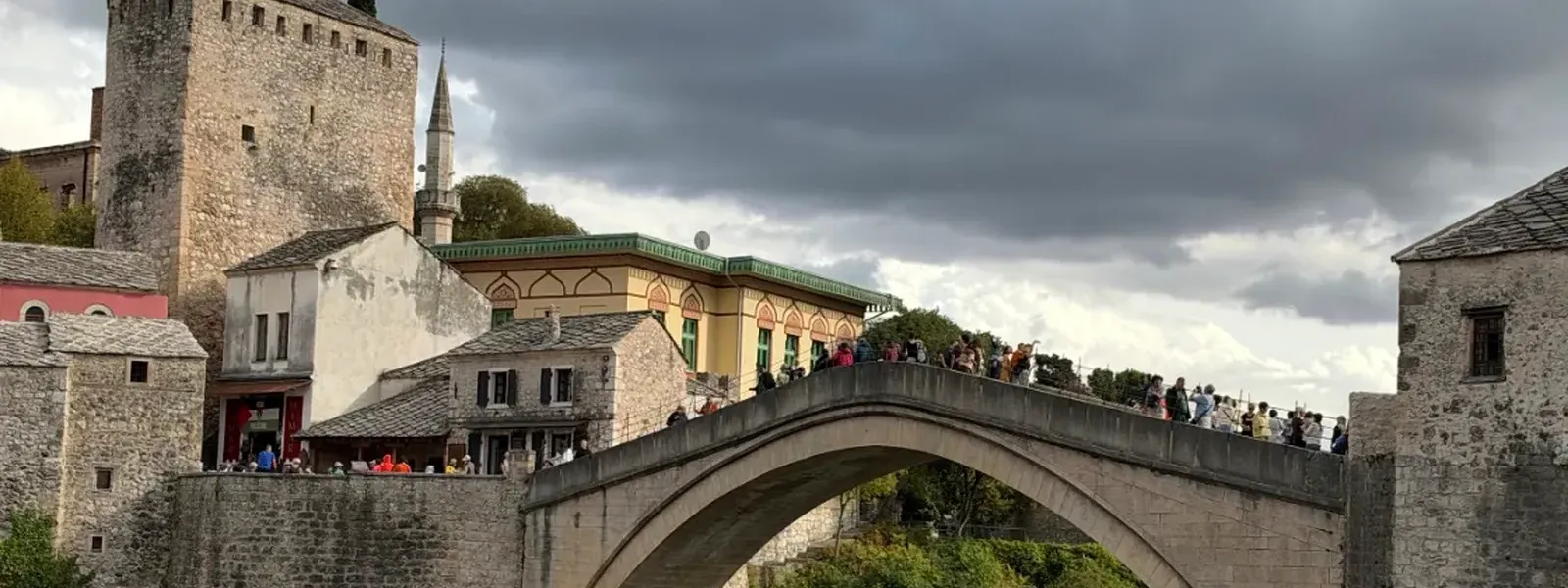
Bosnia and Herzegovina travel portfolio planning gives tour operators access to one of the Balkans’ most varied destinations. Sarajevo’s layered history, Mostar’s Ottoman heritage, Međugorje’s pilgrimage appeal, the country’s rivers and mountains, and Herzegovina’s food and wine traditions can support cultural, religious, adventure, specialist history and multi-country programmes.
For international travel companies, the destination is particularly valuable because it can be sold in several ways. It works as a focused country itinerary, a short extension from Croatia or Montenegro, or a central component of a wider Western Balkans circuit. With the right local coordination, Bosnia and Herzegovina can offer more than a short visit to Sarajevo and Mostar: it can become a differentiated product with strong storytelling, regional depth and carefully managed ground operations.

Why Bosnia and Herzegovina belongs in a travel portfolio
Bosnia and Herzegovina brings together cultural influences that are visible in its architecture, religious heritage, cuisine, language and everyday life. Ottoman, Austro-Hungarian, Slavic, Jewish and modern European histories meet in cities and towns that are close enough to combine, yet distinct enough to create a varied programme.
Travellers often value the contrast between Sarajevo and Mostar. Sarajevo feels larger, more layered and historically intense, with religious buildings, markets, museums and neighbourhoods reflecting different periods. Mostar has a smaller, more Mediterranean atmosphere, centred on the Neretva River and its famous stone bridge. Many visitors recommend staying overnight in Mostar because the old town can become busy with day-trippers during the middle of the day.
The country also gives tour operators a strong product story. A single itinerary can include:
- Ottoman and Austro-Hungarian architecture in Sarajevo and Mostar
- Medieval stećci tombstones and UNESCO-listed heritage
- Religious and pilgrimage routes, including Međugorje
- War, remembrance and twentieth-century history
- Rafting, hiking, canyon scenery, waterfalls and national parks
- Traditional cuisine, coffee culture and regional specialities
- Herzegovina vineyards and indigenous Žilavka and Blatina wines
- Halal-friendly cultural and gastronomic travel
- Multi-country itineraries linking Bosnia and Herzegovina with Croatia, Montenegro, Serbia, Kosovo, North Macedonia and Albania
This breadth allows product managers to adapt the destination to different markets, travel styles, budgets, languages and group profiles rather than selling one standard circuit.
Bosnia and Herzegovina heritage: Ottoman, Austro-Hungarian and medieval stories
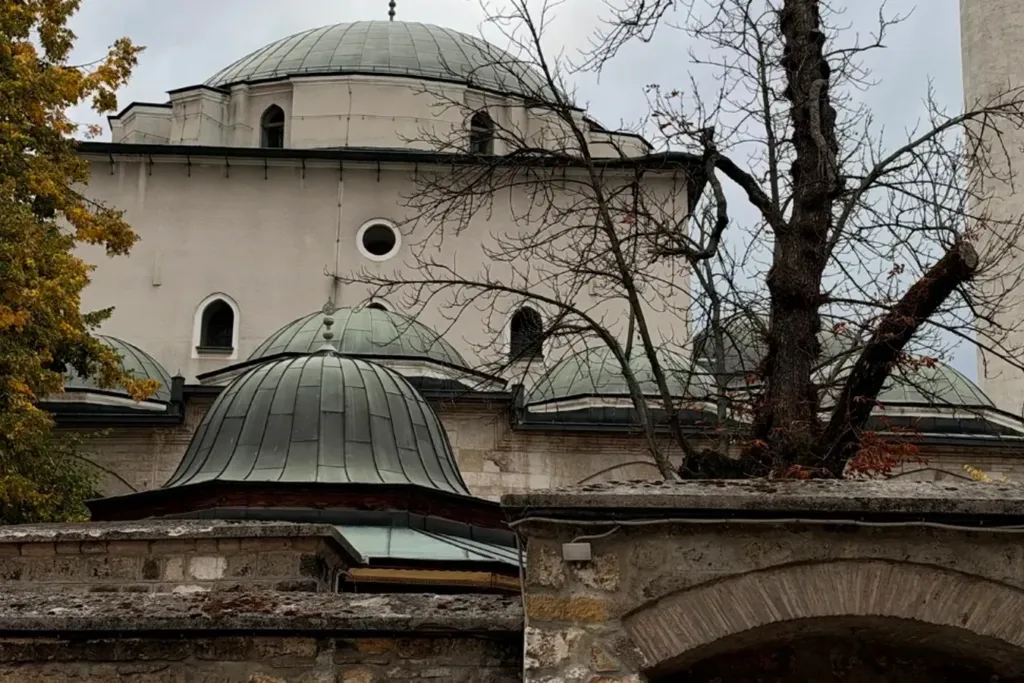
Heritage is one of the strongest reasons to add Bosnia and Herzegovina to a cultural portfolio. Sarajevo’s Baščaršija, mosques, caravanserai remains, Austro-Hungarian buildings and hillside viewpoints create a compact setting for guided interpretation. The city is also well suited to food walks, craft demonstrations, museum visits and small-group experiences.
In Mostar, the Old Bridge is more than a scenic viewpoint. It represents Ottoman urban heritage, the destruction of war and a major reconstruction effort. UNESCO describes the Old Bridge Area of the Old City of Mostar as a site of outstanding universal value. For tour operators, this makes Mostar especially effective when the guiding connects architecture with the city’s social and historical context.
Further east, the Mehmed Paša Sokolović Bridge in Višegrad offers another important Ottoman heritage product. The sixteenth-century bridge can be included in specialist cultural, literary or architectural itineraries, although routing should be planned carefully because it is not a quick add-on to Sarajevo or Mostar. In western and southern Bosnia and Herzegovina, medieval stećci tombstones offer a distinctive archaeological theme. Their motifs and inter-confessional significance provide material for specialist heritage programmes beyond the country’s most visited cities.
These experiences can be combined with historic towns such as Jajce, Blagaj and Počitelj. Travellers frequently recommend adding places such as Blagaj, Kravica Waterfalls, Počitelj, Jajce or Una National Park instead of limiting a first visit to Sarajevo and Mostar. The practical value for operators is clear: these stops help create a more complete itinerary and distribute the programme across different landscapes and communities.
Sarajevo for history, culture and city-based programmes
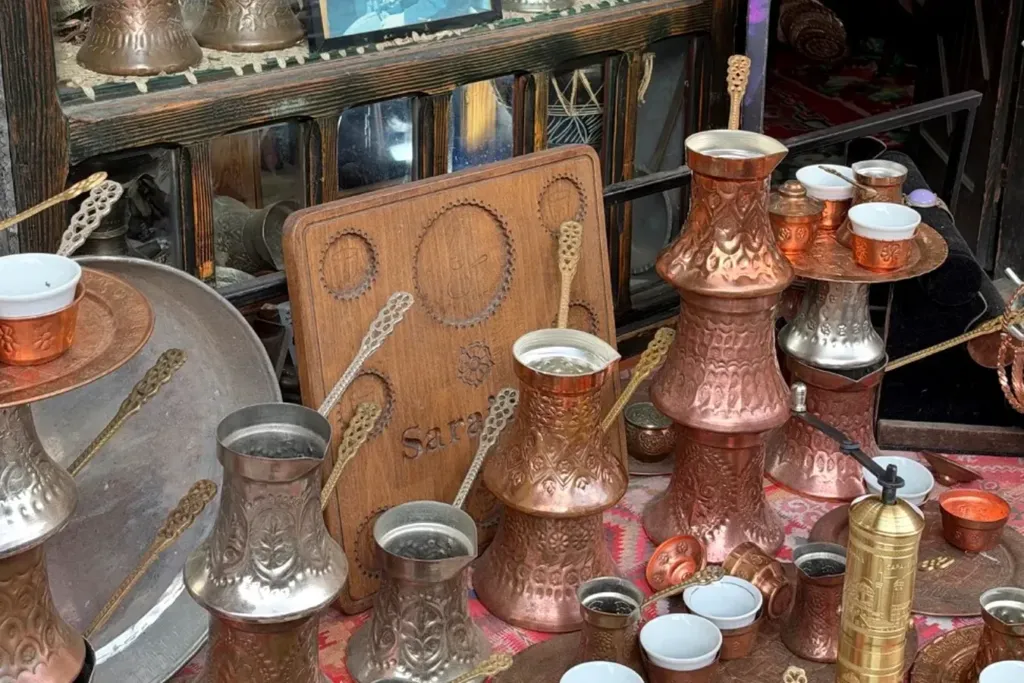
Sarajevo is a strong entry point for escorted groups, FIT programmes, educational travel and specialist history tours. The city’s historic centre can support walking tours focused on Ottoman urban life, Austro-Hungarian modernisation, religious coexistence, twentieth-century politics and contemporary culture. Local food, traditional coffee and copper crafts add sensory experiences that make the interpretation more personal.
Visitors often describe Sarajevo as welcoming and approachable, particularly when travellers make a small effort with local greetings and customs. Its café culture and compact central districts also make it practical for evenings, informal group time and optional activities. Traditional dishes such as ćevapi, burek and kajmak are repeatedly highlighted by travellers as part of the destination’s appeal.
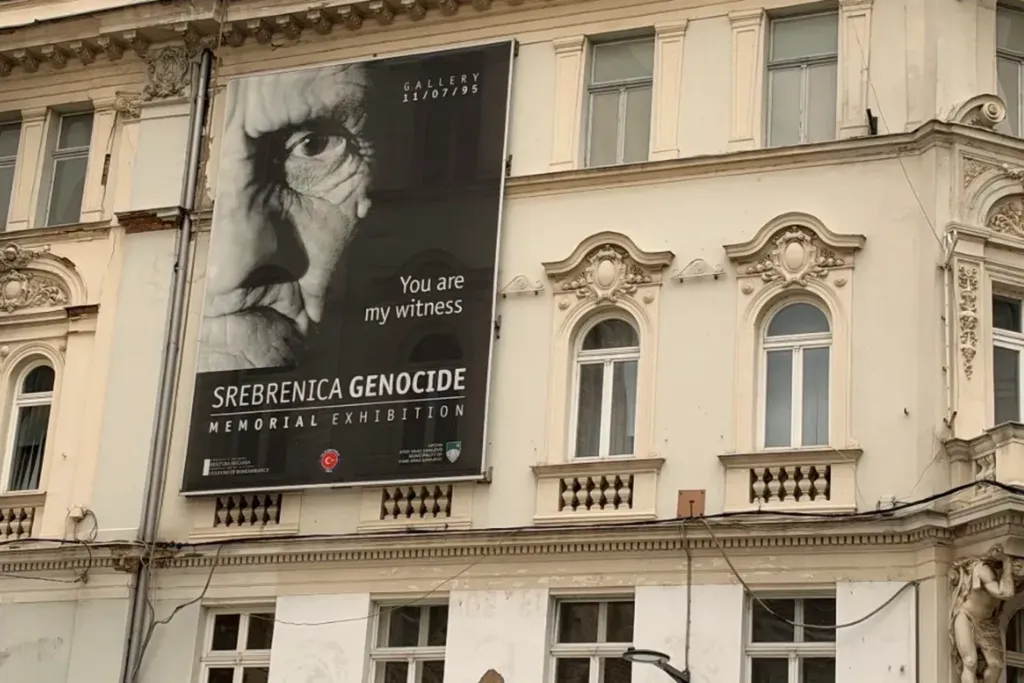
Sarajevo’s recent history requires careful handling. The Siege of Sarajevo, the breakup of Yugoslavia, the Dayton Peace Agreement and the wider war in Bosnia and Herzegovina remain important parts of the country’s identity. Museums and memorial sites can include the War Childhood Museum, Gallery 11/07/95, the History Museum, the Tunnel Museum and exhibitions related to crimes against humanity. A locally informed guide is essential so that the subject is presented accurately, respectfully and with space for questions.
War-related visits can be deeply moving and emotionally demanding. Travel designers should avoid overcrowding a day with difficult museums and memorials. A balanced programme can combine historical interpretation with food, neighbourhood life, art, nature or time for reflection. This approach helps groups understand the country without reducing Bosnia and Herzegovina to its wartime past.
War history, communism and responsible interpretation
Bosnia and Herzegovina is suitable for specialist programmes about the twentieth century, including the Kingdom of Yugoslavia, socialist Yugoslavia, the Non-Aligned movement, the 1984 Sarajevo Winter Olympics, the dissolution of Yugoslavia and the 1992–1995 war. These themes can be developed through museums, memorials, urban landmarks, local testimony and expert-led conversations where available.
Communist-era history is best presented as part of a wider social story rather than as a simple political label. It can include industrialisation, urban development, public life, education, sport, Yugoslav identity and the different memories held by communities. Operators should work with guides who can distinguish established historical facts from personal memory and contested interpretations.
Likewise, genocide and war memorial tourism demands clear advance communication. Clients should know that some visits may contain disturbing testimony, images or personal accounts. Group leaders should allow time after these experiences and make participation clear in the programme description. Well-managed history travel can be meaningful and educational, but it should never turn suffering into spectacle.
RakiYa can help international partners shape these programmes around the interests and sensitivities of their market. As an Albania-based licensed DMC operating across the wider Balkans, RakiYa coordinates local guiding, transport, accommodation and ground handling for tailor-made and group itineraries. The exact programme, supplier selection and guiding language should be agreed during the quotation process.
Pilgrimage, religious heritage and halal-friendly travel
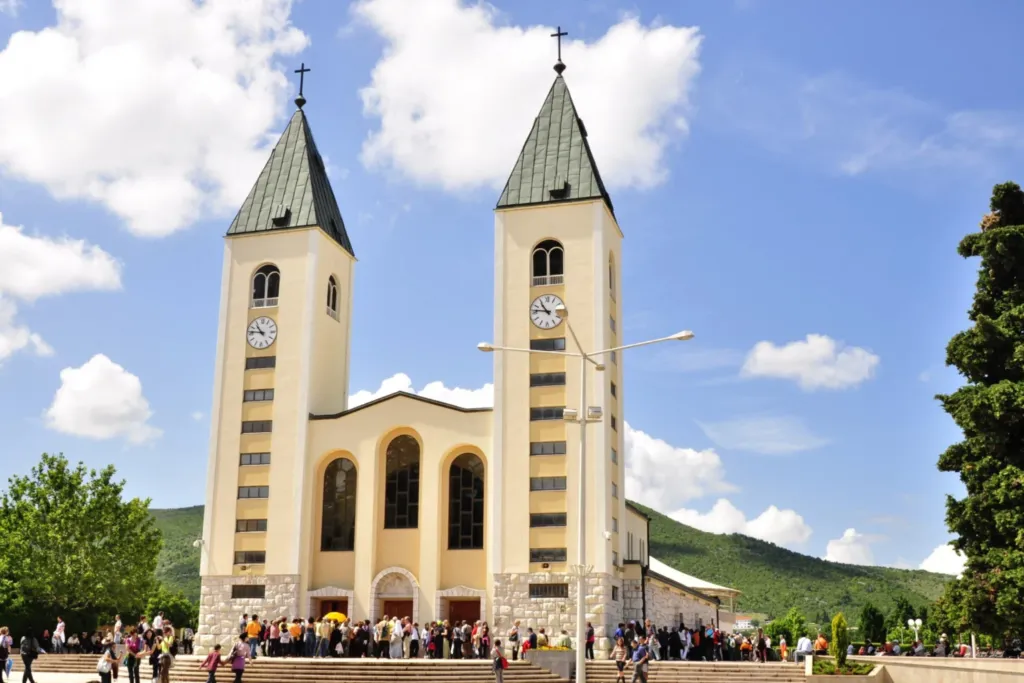
Međugorje gives Bosnia and Herzegovina a significant place in Catholic pilgrimage travel. Pilgrimage programmes can be built around prayer, devotional visits, church services, testimony, spiritual reflection and the wider religious landscape of Herzegovina. Dates connected to religious celebrations, accommodation demand and service schedules should be checked before confirming a departure.
The country also supports broader Christian heritage itineraries, including Catholic, Orthodox and Franciscan sites, as well as historic mosques and Islamic architectural heritage. Sarajevo and Mostar are particularly useful for programmes exploring the coexistence and interaction of different religious traditions. Interpretation should reflect local complexity and avoid presenting the country’s religious history as a single, uniform narrative.
Halal tours are another relevant product opportunity. Bosnia and Herzegovina has a long Islamic cultural heritage, established halal food traditions and many restaurants suitable for Muslim travellers. However, operators should confirm the precise requirements of each group, including halal certification, prayer facilities, alcohol policies, room arrangements and the location of mosques. These details vary by supplier and should not be assumed from a destination-wide label.
A pilgrimage or halal programme can also include Sarajevo’s bazaar culture, Mostar, Blagaj, Travnik, Jajce or other heritage locations. RakiYa’s role is to help partners match the itinerary and suppliers to the expectations of their clients, rather than applying one fixed format to every religious or culturally focused group.
Food, coffee and Herzegovina wine routes
Food is one of Bosnia and Herzegovina’s most saleable experiences. Ćevapi, burek, dolma, sogan-dolma, grilled trout, peka-style dishes, kajmak, local cheeses and seasonal produce can be used to create a strong culinary layer within a wider tour. Coffee, sweets and the ritual of serving guests are equally important because they connect gastronomy with hospitality and everyday culture.
Travellers frequently identify Bosnian food as a highlight, while local hospitality is often described as warm and generous. For international groups, the most effective experiences are usually hosted in places where the story behind the dish is explained: a family restaurant, a traditional market, a local farm, a cooking workshop or a tasting with a producer.
Herzegovina adds a distinct wine dimension. The region around Mostar, Ljubuški and Trebinje supports vineyard visits, cellar tastings and food-and-wine itineraries built around indigenous Žilavka and Blatina varieties. The Herzegovina Wine Route links vineyards with local food, cultural attractions and historical sites, making it suitable for both specialist wine groups and general cultural programmes.
Wine visits need practical planning. Travel time between producers, tasting arrangements, meal timing, coach access and the group’s language requirements should be agreed in advance. For non-drinking groups, the same route can be adapted around food, landscapes, heritage and producer stories.
Adventure travel: rivers, mountains and national parks
Bosnia and Herzegovina is not only a heritage destination. Its rivers, canyons, forests and mountains create opportunities for rafting, hiking, cycling, canyon visits, winter activities and nature-focused group travel. Una National Park, the Neretva valley, the Tara River canyon, Sutjeska National Park, the Dinaric mountain landscapes and the waterfalls of Herzegovina can all support active programmes.
The country’s outdoor product works especially well when combined with culture. A programme might pair Sarajevo with rafting near Konjic, Mostar with the Buna spring at Blagaj, or a Herzegovina wine route with Kravica Waterfalls and Počitelj. This combination gives active clients meaningful scenery while keeping the itinerary connected to local history and community life.
Seasonality matters. Mountain weather can change quickly, rafting levels vary during the year, winter roads may require additional planning and some rural routes take longer than the map suggests. Operators should confirm activity operating periods, equipment, guide qualifications, weather policies and transfer times before publishing a fixed programme.
Many travellers appreciate the variety of landscapes, but they also note that public transport options can be limited outside the main cities. The Sarajevo–Mostar train is often described as scenic and memorable, although travellers also report cancellations or limited alternatives. For groups, a private vehicle or coach with a carefully planned backup option can provide more operational control.
How to build Bosnia and Herzegovina into an itinerary
A first cultural programme can be designed in several ways. A compact four- or five-day route might focus on Sarajevo, Mostar, Blagaj and Međugorje. A longer seven- to ten-day itinerary can add Travnik, Jajce, Konjic, Počitelj, Kravica Waterfalls, a wine experience or a national park, depending on the group’s interests and arrival point.
Bosnia and Herzegovina also combines naturally with neighbouring destinations. Sarajevo can connect with Belgrade, Novi Sad, Dubrovnik, Split, Kotor, Podgorica, Pristina or Skopje. Mostar and Trebinje work particularly well within southern Adriatic circuits, while northern and eastern routes require closer attention to border crossings, road conditions and realistic driving times.
When planning, product managers should consider:
- Arrival and departure airports, including whether an open-jaw routing is practical
- Border requirements for the nationalities in the group
- Coach access, parking and walking distances in historic centres
- Hotel location, rooming needs and meal arrangements
- Religious service times and pilgrimage dates
- Opening periods and booking requirements for museums and memorial sites
- Seasonal road, rail, rafting and mountain access
- The emotional balance of war-history and genocide-related visits
- Guide language, specialist knowledge and accessibility for each activity
An overnight in Mostar is often preferable to a rushed day visit, especially for groups that want an evening walk or an early visit before the busiest period. Sarajevo deserves enough time for its museums, neighbourhoods and food culture rather than being treated only as a transfer point.
Why work with a local Bosnia and Herzegovina DMC?
Adding Bosnia and Herzegovina to a portfolio requires more than selecting attractive places. A local DMC can help turn a concept into an operational programme by coordinating accommodation, transportation, professional guides, restaurants, activities, attraction tickets and local event logistics through one point of contact.
RakiYa Travel brings a regional perspective to this process. Its destination network covers Bosnia and Herzegovina alongside Albania, Montenegro, Kosovo, North Macedonia, Serbia, Corfu and Dubrovnik, allowing partners to develop single-country or multi-country Balkan programmes with one coordinating DMC. This is particularly useful when a tour crosses borders and the operator needs consistent communication, coherent routing and local support in several destinations.
RakiYa’s approach is based on tailor-made planning and carefully selected local suppliers. Programmes can be adapted to the partner’s market, preferred language, group size, budget, pace and travel style. Depending on the brief, support may include private vehicles and coaches, airport transfers, guiding, driver-guides, hotel contracting, restaurants, cultural activities, adventure experiences, pilgrimage logistics and ground handling.
The value of local expertise is most visible in the details: choosing a practical hotel location, allowing enough time for a mountain transfer, arranging a suitable restaurant for a religious group, balancing difficult historical visits, or creating an alternative when a seasonal activity cannot operate. These decisions help protect the traveller experience and reduce operational pressure for the overseas operator.
A destination with room for distinctive products
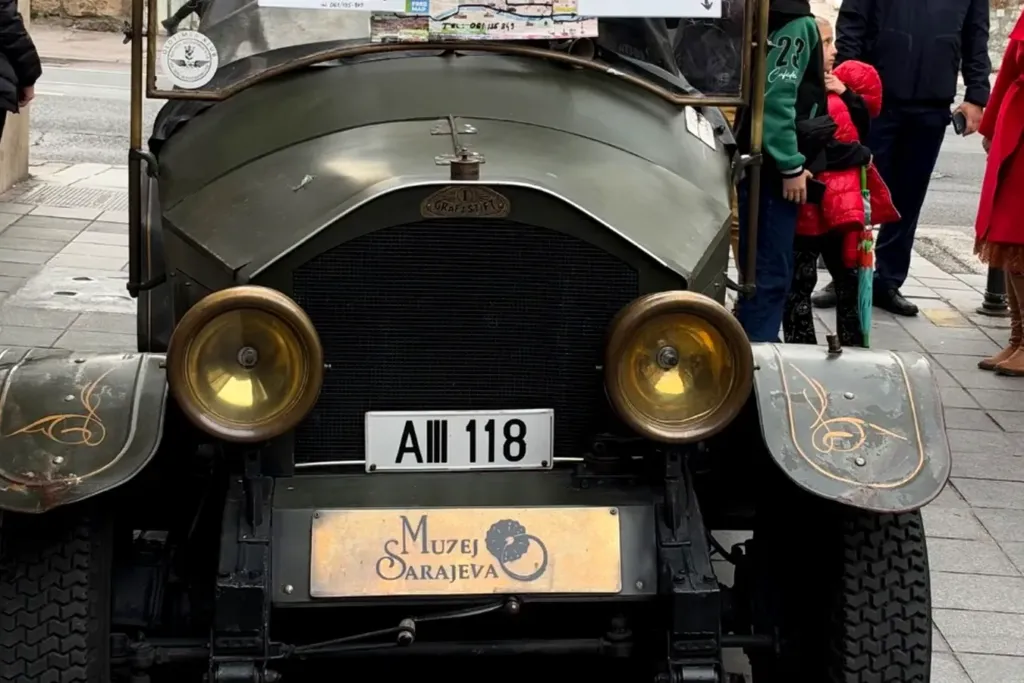
Bosnia and Herzegovina can support mainstream cultural tours, but its strongest commercial opportunity may lie in programmes with a clear identity. Examples include Ottoman heritage journeys, pilgrimage and religious heritage, halal-friendly travel, war and communist history, food and wine routes, active river programmes, film and photography trips, educational travel and multi-country Balkan circuits.
The destination also rewards careful pacing. Travellers often remember a conversation over coffee, a market visit, a family meal or a local explanation of a historic building as much as they remember a major monument. Authentic experiences do not need to be elaborate; they need to be relevant, well hosted and integrated into a route that works on the ground.
For tour operators reviewing their next Balkan products, Bosnia and Herzegovina offers a rare combination of historical depth, cultural variety, outdoor potential and regional connectivity. It can broaden a portfolio while giving clients a destination that feels substantial rather than interchangeable.
RakiYa Travel can help international tour operators, travel agencies and specialist organisers develop Bosnia and Herzegovina programmes, quotations and multi-country Balkan itineraries. Contact the RakiYa team to discuss a tailored product concept or B2B partnership.