RakiYa Travel | Slovenia Group Tours and Travel Planning Guide - RakiYa Travel
  • Services
    • Travel Experiences
    • MICE & Corporate Events
  • Destinations
    • Albania
      • Tirana
      • Albanian Riviera
        • Vlora
        • Saranda
        • Himara
        • Dhermi
        • Ksamil
        • Grama Bay
        • Gjipe Beach & Canyon
      • Albanian Alps
        • Theth
        • Valbone
      • Berat
      • Gjirokastra
      • Shkodra
      • Korce
      • Durres
      • Kruje
    • Greece
      • Corfu
      • Thesaloniki
      • Parga
    • Croatia
      • Dubrovnik
      • Zagreb
      • Split
      • Krka National Park
      • Plitvice Lakes National Park
    • Slovenia
      • Ljubljana
      • Lake Bled
    • North Macedonia
      • Ohrid
      • Skopje
      • Mavrovo
      • Bitola
    • Montenegro
      • Kotor
      • Budva
      • Perast
      • Durmitor National Park
    • Bosnia and Herzegovina
      • Mostar
      • Sarajevo
      • Jajce
      • Blagaj
      • Srebrenica
    • Kosovo
      • Prizren
      • Pristina
    • Serbia
      • Belgrade
      • Novi Sad
    • Meteora
  • Enquire now
  • Register as a partner
  • RakiYa Insights
    • Travel Trade & DMC Insights
    • Destination Insights
      • Balkans Travel Insights
      • Greece Insights
      • Albania Insights
      • Croatia Insights
      • Montenegro Insights
      • North Macedonia Insights
      • Bosnia & Herzegovina Insights
      • Kosovo Insights
      • Serbia Insights
    • MICE & Corporate Events
  • About us
shopping_cart 0
  • General information
  • Sports & nature
  • Nightlife
  • Culture and history
  • Tours

Slovenia

Slovenia is a compact European destination with strong appeal for group tours. It joins the Alps, the Adriatic coast, forests, vineyards, and historic towns. This small country offers varied experiences without long travel days. Therefore, it works well for escorted tours, incentives, and multi-country itineraries.

Ljubljana provides an easy and welcoming starting point. The capital combines a riverside old town, a hilltop castle, and lively café squares. Groups can explore the centre on foot with a local guide. In addition, the city offers practical venues for meetings, dinners, and cultural events.

Lake Bled remains one of the country’s most recognisable sights. Visitors can enjoy views of the church island and Julian Alps. Then, they can continue towards Lake Bohinj and Triglav National Park. These areas suit scenic drives, gentle walks, active excursions, and seasonal programmes.

Slovenia for Scenic Group Journeys

Road distances stay manageable across the main touring regions. As a result, operators can combine mountains, caves, wine areas, and the coast. The Karst region adds remarkable underground landscapes at Postojna and Škocjan. The latter forms part of a UNESCO World Heritage site.

Meanwhile, the Soča Valley brings clear rivers and dramatic mountain scenery. It suits rafting, kayaking, hiking, cycling, and photography. Bovec works well as a base for outdoor groups. Local guides can adapt activities to different fitness levels and travel seasons.

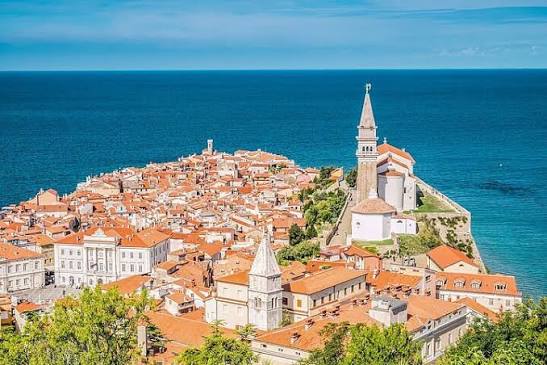
The coast offers a Mediterranean change of pace. Piran has narrow streets, Venetian architecture, and a charming waterfront. Portorož adds hotels, wellness facilities, and event options. For a wider regional programme, agencies can also connect Slovenia with Croatia and nearby Adriatic destinations.

Food, Wine, and Local Experiences

Food programmes add depth to a Slovenia itinerary. Menus may include alpine cheeses, štruklji, jota stew, and fresh fish. Wine regions offer guided tastings and relaxed cellar visits. For example, Goriška Brda and Vipava Valley suit small group lunches and farm visits.

In addition, Ljubljana supports modern restaurants and traditional dining rooms. Rural estates can host cooking workshops, tastings, and seasonal events. These experiences help agencies create memorable programmes beyond standard sightseeing.

Accommodation ranges from city hotels to lakeside resorts and mountain lodges. Slovenia also provides wellness hotels, boutique properties, and countryside guesthouses. Suppliers can match each option with group size, budget, and transport needs.

Planning with a Local DMC

RakiYa Travel supports tour operators and travel agencies with regional planning. We can coordinate transport, guides, hotels, activities, and restaurants. Our team can also build programmes around specific interests and travel dates.

Finally, agencies should allow extra time for popular sites during peak summer months. Spring and autumn often bring pleasant weather and lighter visitor numbers. Winter adds skiing, festive markets, and wellness stays. For background information, see the English Wikipedia article about Slovenia.

Overall, the destination combines efficient logistics with varied experiences. It suits first-time visitors, repeat travellers, and specialist groups. With careful planning, Slovenia can become a strong addition to Central European touring.

Visa requirements

Slovenia belongs to the European Union and the Schengen Area. Visa rules depend on nationality, travel purpose, and stay length. Agencies should check each traveller’s documents before confirming arrangements.

Citizens of the European Union, European Economic Area, and Switzerland can enter with a valid identity card or passport. They do not need a short-stay visa. However, longer stays may require local registration or other formalities.

Visa-exempt nationals can usually visit for up to 90 days within any 180-day period. This rule applies across the Schengen Area. Passports should normally remain valid for at least three months after planned departure. They must also have been issued within the previous ten years.

Nationals who need a visa must apply for a Schengen short-stay visa before travel. The application normally goes through a Slovenian consulate or an authorised visa centre. Applicants may need proof of accommodation, insurance, funds, transport, and trip purpose.

In addition, work, study, residence, and long stays follow different rules. Travellers should use official Slovenian government or consular guidance. Requirements can change, so operators should verify them close to departure. A visa does not guarantee entry at the border.

Languages spokenSlovene is the official language; Italian and Hungarian have co-official status in some areas. English and German are widely understood in tourism.
Currency usedEuro (EUR)
Area (km2)20,273 km²
Country nameSlovenia

Sports & nature

Alpine Landscapes

Slovenia offers strong choices for active and nature-based groups. The Julian Alps surround Lake Bled, Lake Bohinj, and Triglav National Park. Guests can enjoy hiking, cycling, climbing, and scenic walks. Routes range from easy paths to demanding mountain trails.

Meanwhile, the Soča Valley provides excellent rafting and kayaking. Bovec supports guided activities, canyoning, ziplining, and mountain biking. Local operators can adjust programmes for mixed abilities. Safety briefings and qualified guides remain essential.

Lakes, Rivers, and Caves

Lake Bled suits gentle walking, rowing, and panoramic viewpoints. Lake Bohinj offers a quieter setting and open mountain views. In addition, the Ljubljanica River supports relaxed boat rides through the capital.

Karst landscapes create another major attraction. Postojna Cave offers an accessible underground visit for groups. Škocjan Caves provide a dramatic UNESCO-listed experience. Outdoor programmes can also include cycling routes, forest walks, and vineyard trails.

Winter and Coastal Activities

Winter brings skiing and snow activities to Kranjska Gora, Vogel, and surrounding resorts. Resorts can host beginners, families, and experienced skiers. However, agencies should confirm snow conditions and equipment availability before booking.

The Adriatic coast adds swimming, paddleboarding, coastal walks, and wellness programmes. Piran and Portorož work well for relaxed extensions. Overall, the country supports four-season sports programmes with short transfers.

Nightlife info

Ljubljana After Dark

Slovenia offers relaxed nightlife rather than a large club scene. Ljubljana provides the widest choice for groups. Bars, wine lounges, cafés, and live music venues fill the riverside centre. Groups can enjoy a guided evening walk before dinner.

In addition, the capital hosts concerts, theatre, festivals, and seasonal events. The old town suits informal drinks and restaurant evenings. Larger groups may prefer private dining rooms or organised tastings.

Evenings Around the Country

Maribor has a lively student scene and strong wine culture. Its centre offers bars, restaurants, and cultural venues. Bled focuses more on hotel bars, lakeside dining, and relaxed evenings.

Meanwhile, Piran and Portorož bring a coastal atmosphere during summer. Guests can find cocktail bars, casinos, music venues, and late dining. Smaller mountain towns usually offer quiet pubs and hotel lounges.

For agencies, nightlife planning works best when matched with group interests. Suppliers can arrange private tastings, live music, and restaurant bookings. As a result, evening programmes remain comfortable and easy to manage.

Culture and history info

Slovenia’s Cultural Heritage

Slovenia sits at the meeting point of Alpine, Mediterranean, Pannonian, and Slavic cultures. Its towns reflect this varied history. Ljubljana combines medieval streets, Baroque buildings, and modern design. The capital also celebrates literature, music, and contemporary art.

For example, Bled Castle provides wide views and historic exhibitions. Piran shows strong Venetian influence through its architecture and narrow lanes. Ptuj preserves medieval character and hosts one of Europe’s famous carnival traditions.

History and UNESCO Sites

The country has links to Roman, medieval, Habsburg, and Yugoslav history. Ancient Emona shaped the centre of modern Ljubljana. Castles, churches, open-air museums, and historic town centres support guided visits.

In addition, Škocjan Caves hold UNESCO World Heritage status. The legacy of the mercury town of Idrija also appears on the UNESCO list. These sites add educational value to cultural tours.

Food, Festivals, and Traditions

Local cuisine changes between regions. Alpine areas serve hearty dishes, while coastal menus feature seafood. Wine culture remains important in Brda, Vipava, and eastern wine districts. Groups can meet producers through tastings and farm visits.

Meanwhile, festivals bring music, folklore, crafts, and seasonal food into public spaces. Traditional events can enrich school groups, special-interest tours, and incentive programmes. Local guides help explain customs with clear cultural context.

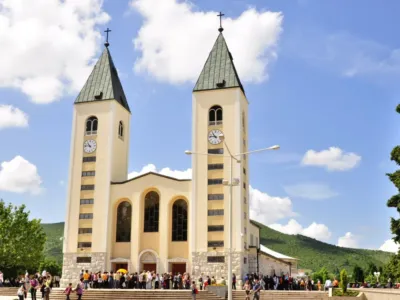
Pilgrims gather outside St James Church in Medjugorje beneath blue skies

Balkans Christian Pilgrimage Tour

From €

A 10-day private Christian pilgrimage across Montenegro, Croatia, Bosnia and Herzegovina and Slovenia, combining Marian shrines, monasteries, cathedrals and historic Christian heritage.

Book now


© 2026 RakiYa Travel

  • Albania Insights
  • Terms and Conditions
x

Log in

Forgot your password?

x

Register

English
Italian