
Adding Croatia to a portfolio gives tour operators access to Adriatic coastlines, historic cities, islands, national parks and a well-established tourism infrastructure. For travel professionals, the opportunity lies in matching the right Croatian product to the right season and travel style rather than treating the country as a single coastal destination. This Croatia tour operators guide covers group tours, FIT, self-drive, adventure travel and MICE, with practical points to consider before contracting and selling the destination.
Why Croatia works across several travel segments
Croatia has a broad product range in a relatively compact European market. Coastal culture can be combined with national parks, wine regions, island experiences and historic inland towns. Visitors often value the contrast between fortified Adriatic cities, limestone landscapes, green countryside and traditional food.
The country also has strong recognition in international markets. This provides useful evidence of established demand, while also highlighting the importance of clear product differentiation.
For a travel portfolio, Croatia can support:
- Escorted groups: cultural circuits linking Dubrovnik, Split, Zadar, Šibenik, Zagreb and national parks.
- FIT and tailor-made holidays: city breaks, island stays, food experiences, private touring and short coastal escapes.
- Self-drive programmes: flexible routes through Istria, inland Croatia, Dalmatia and selected national parks.
- Adventure travel: sea kayaking, hiking, rafting, cycling, sailing and outdoor programmes in mountain and coastal areas.
- MICE: incentive programmes, corporate retreats, meetings and event logistics in cities, resorts and historic venues.
RakiYa Travel can support partners seeking to combine Croatia with neighbouring destinations, including Montenegro, Bosnia and Herzegovina, Serbia, Slovenia and Albania. A regional DMC is particularly useful when an itinerary crosses borders, changes transport mode or needs coordinated guides and accommodation in several countries.
Croatia’s main regions and how to combine them
Successful Croatian itineraries usually follow a clear geographical logic. Distances can look modest on a map, but coastal roads, ferry connections, summer traffic and border routes affect the actual programme pace.
Dubrovnik and the southern Adriatic
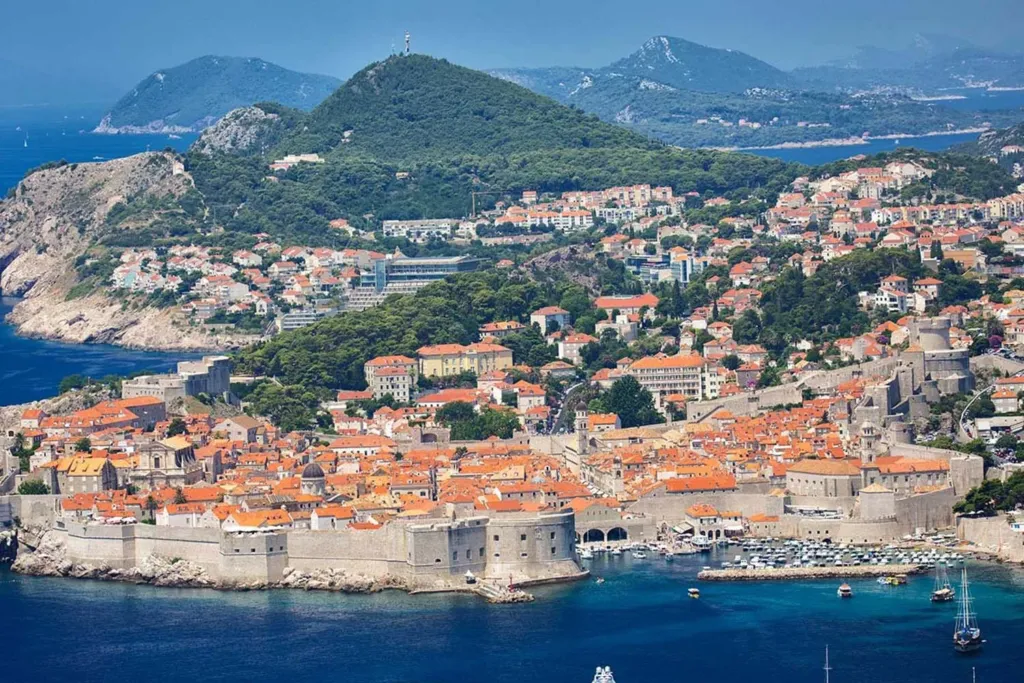
Dubrovnik is a high-demand anchor for cultural tours, cruise extensions, FIT holidays and incentive travel. Its fortified Old Town, maritime history and position at the southern end of the Croatian coast make it easy to combine with the Bay of Kotor, Mostar or nearby islands.
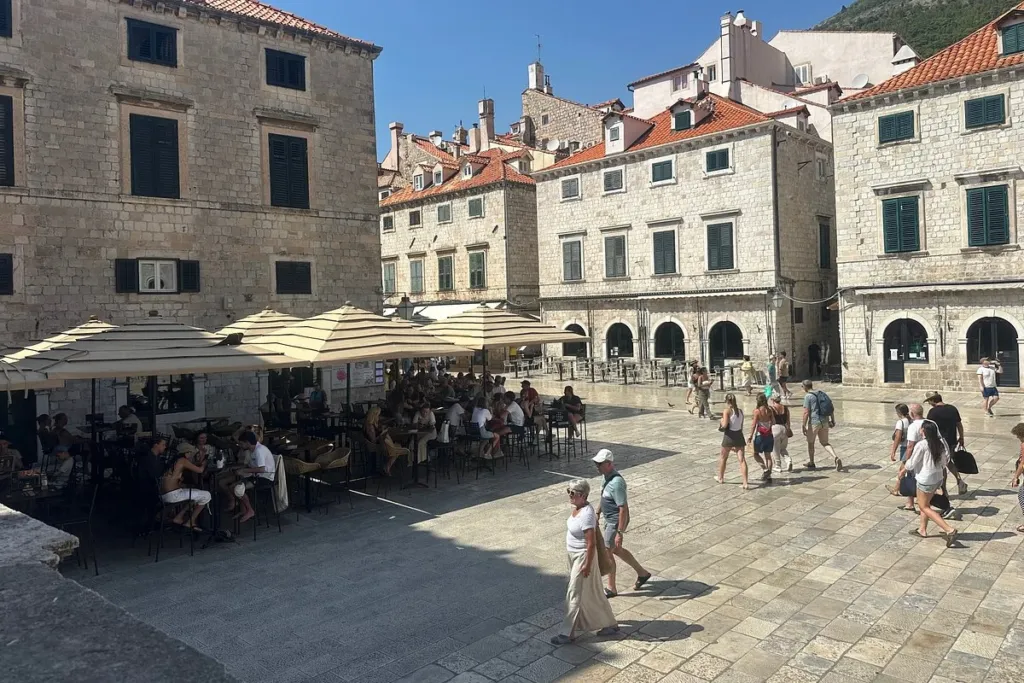
The historic centre is pedestrianised, and coach access and parking require advance planning. The City of Dubrovnik identifies congestion around Pile and Gruž, limited parking and cruise-related pressure as important management issues. Operators should therefore plan drop-off points, luggage handling, walking routes and alternative transport carefully rather than relying on a coach reaching the hotel entrance.
Many travellers recommend visiting the city walls early in the day or late in the afternoon. Summer heat, cruise arrivals and day visitors can make the walls and narrow streets slower later on. The route also includes steps and uneven surfaces, so pre-departure information is important for clients with mobility concerns.
Split, the central coast and the islands
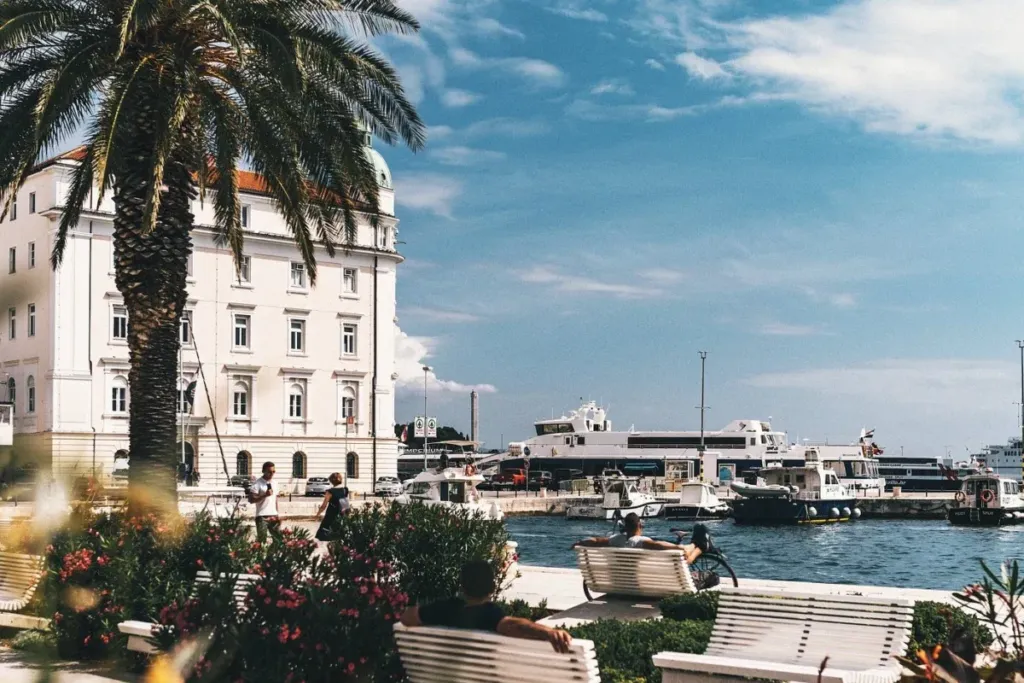
Split works well as both a destination and a transport hub. Diocletian’s Palace gives cultural groups a strong central experience, while the waterfront and nearby islands support leisure, sailing and incentive programmes.
Island-hopping is attractive, but ferry and catamaran schedules should shape the itinerary from the beginning. Travellers frequently report that crossings, boarding procedures and weather-related changes can take longer than expected. Peak-season sailings may need advance booking, especially for groups with vehicles or fixed hotel check-in times. Current routes and booking conditions should be checked through Jadrolinija’s sailing information before confirming an island programme.
Hvar, Brač, Korčula and Vis can each support a different product style. Hvar is associated with lively coastal travel and yachting, while other islands may suit slower cultural, culinary or nature-led programmes. Avoid promising too many islands in a short itinerary; one well-planned island stay is often more operationally effective than several brief stops.
Istria and northern Croatia
Istria is well suited to self-drive, gastronomy, cycling, wine and small-group travel. Hill towns, coastal ports and local food traditions allow operators to build a more experiential programme away from the busiest Dalmatian routes. It can also work as a standalone region or as part of a wider route involving Slovenia and northern Italy.
Zagreb provides a practical arrival or departure point for cultural programmes, conferences and regional circuits. Northern Croatia is also useful for operators who want to extend the high season beyond the hottest coastal months.
National parks and inland routes
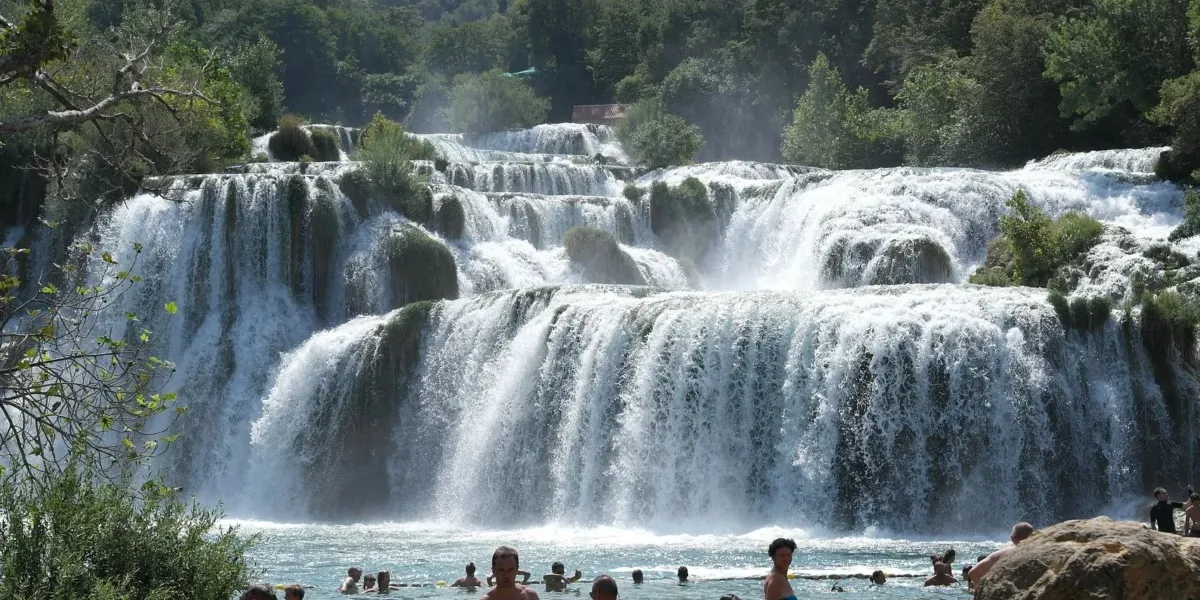
Plitvice Lakes is one of Croatia’s strongest nature products and a popular addition to escorted tours. The park’s lakes, boardwalks, electric boats and panoramic vehicles require realistic timing. Official information shows that opening hours, ticket sales, parking, boat departures and panoramic-vehicle schedules vary according to operating periods, so Plitvice operating information should be checked before each programme is confirmed.
Visitors often recommend arriving early because the main routes become busier as day visitors arrive. Walking distances can be substantial, and some paths include uneven surfaces, steps or narrow sections. Build in rest points and clarify the physical requirements rather than presenting the park as suitable for every traveller.
Planning group tours and escorted circuits
Croatia is suitable for cultural group tours, but the itinerary should not be overloaded. A typical route might connect Zagreb, Plitvice, Zadar, Šibenik, Split and Dubrovnik. A southern extension can include Mostar or Kotor, although border procedures and seasonal traffic need to be included in the operating plan.
UNESCO heritage is a strong sales theme. Croatia’s UNESCO World Heritage portfolio includes Dubrovnik, Split with Diocletian’s Palace, Plitvice Lakes, Trogir, Šibenik, Poreč and Stari Grad Plain. These sites give operators a clear framework for cultural itineraries, but they should be balanced with local food, nature and community-based experiences so the programme does not become a sequence of guided walks.
For groups, confirm the following before publication:
- Coach access and designated unloading points in historic centres.
- Walking distances between transport points, hotels and attractions.
- Restaurant capacity, meal timings and options for dietary requirements.
- Entry slots and timed reservations at major attractions.
- Ferry capacity and luggage arrangements for island programmes.
- Hotel location in relation to pedestrian zones and coach parking.
- Border-crossing time when combining Croatia with Bosnia and Herzegovina or Montenegro.
Travel times should be communicated conservatively. Coastal buses and road journeys can take longer than a map suggests, particularly in July and August. Croatia’s rail network is less useful for many coastal circuits, so private vehicles, coaches, ferries and domestic connections need to be considered together.
FIT, self-drive and adventure product design
FIT travellers often appreciate Croatia’s flexibility, but independent programmes still benefit from local planning. A rental car is useful for Istria, inland villages, national parks and less-connected coastal areas. Travellers commonly advise returning the vehicle before staying in Dubrovnik, Split or another historic centre, where parking is scarce and urban driving can be inconvenient.
Self-drive routes should allow time for scenic stops, narrow roads, parking and check-in. Avoid moving accommodation every night unless the product is specifically designed as a road journey. A combination of two or three bases usually gives travellers more time for local restaurants, boat trips and cultural visits. RakiYa’s self-drive programme planning also illustrates how locally coordinated vehicle services and flexible routing can support independent travel products.
Adventure programmes can include hiking, sea kayaking, cycling, rafting, sailing and canyon or river activities. The suitable format depends on the group’s fitness, experience and tolerance for changing weather. Coastal activities are generally strongest from late spring through early autumn, while inland hiking and cycling can be more comfortable in spring and autumn than during the hottest summer weeks.
Island programmes also require a contingency plan. Wind, sea conditions and timetable changes can affect crossings, so a mainland alternative should be identified when the itinerary depends on a specific sailing. Adventure itineraries should include appropriate equipment information, qualified activity providers and clear guidance on terrain and physical demands.
When to sell Croatia: seasonality and practical limits
May, June and September are often effective months for cultural touring, self-drive and active programmes, combining generally favourable conditions with less pressure than the peak summer period. July and August suit beach holidays, sailing and some incentive programmes, but operators should expect higher demand, heat, congestion and tighter availability in Dubrovnik, Split, Hvar and other major coastal destinations.
April and October can work well for city breaks, gastronomy, heritage and MICE, although ferry schedules, attraction opening periods and weather conditions need checking. Mountain and outdoor programmes require particular attention to trail conditions and local access. Winter is more suitable for selected city, wellness, food and event products than for a standard Adriatic touring circuit.
Traveller feedback repeatedly highlights the value of starting major attractions early. This is especially relevant for Dubrovnik’s walls and Plitvice Lakes, but the same principle can improve visits to other historic centres during the high season. Early entry also helps groups manage heat and preserve time for lunch or onward travel.
MICE and corporate programmes in Croatia
Croatia offers a varied setting for meetings, incentives, corporate retreats and team-building programmes. Dubrovnik and Split provide strong destination appeal, while Zagreb offers an urban base for conferences and business events. Istria, the islands and coastal resorts can support more residential incentive formats, subject to seasonal availability and transport planning.
Useful MICE programme elements include private heritage visits, boat excursions, local gastronomy, wine experiences, outdoor challenges and carefully managed cultural activities. The programme should balance memorable experiences with practical movement times. A dinner in a historic setting may require separate transfers, pedestrian access and a contingency plan for weather.
Event planners should assess venue capacity, technical requirements, accommodation distribution, coach access, airport transfers and the time needed for group movement. RakiYa Travel provides destination management, accommodation coordination, transportation, professional guiding, activity planning and local event logistics across Croatia and the wider Balkans, allowing partners to manage a regional programme through one operational contact.
How to position Croatia in an international portfolio
Croatia can be positioned in several ways, depending on the source market and distribution channel:
- Classic cultural Croatia: Dubrovnik, Split, Trogir, Šibenik, Zadar and Plitvice.
- Adriatic and island Croatia: coastal stays, boat trips, swimming, sailing and island culture.
- Active Croatia: hiking, kayaking, cycling, rafting and national park experiences.
- Food and wine Croatia: Istrian cuisine, Dalmatian seafood, inland specialities and regional wine.
- Self-drive Croatia: flexible routes through Istria, the coast, national parks and historic towns.
- Multi-country Balkans: Croatia combined with Montenegro, Bosnia and Herzegovina, Slovenia, Serbia or Albania.
For cruise operators and agencies selling port-based experiences, coordinated Adriatic and Balkan shore excursions can connect Croatian ports with nearby cultural and natural highlights. The key is to match the excursion duration to port calls and allow a reliable margin for traffic, coach loading and return procedures.
Travel professionals considering a Croatia portfolio should start with a defined product strategy rather than a general country brochure. Decide whether the priority is escorted cultural travel, FIT, self-drive, adventure, coastal holidays or MICE, then build routes around realistic transport, seasonal access and the physical profile of the client.
Explore the Croatia destination portfolio and relevant tour programmes, then register as a partner or enquire about quotations. You can also email info@rakiyatravel.com to discuss a Croatia programme or multi-country Balkan partnership.