RakiYa Travel | Plitvice Lakes National Park Group Tours Guide - RakiYa Travel
  • Services
    • Travel Experiences
    • MICE & Corporate Events
  • Destinations
    • Albania
      • Tirana
      • Albanian Riviera
        • Vlora
        • Saranda
        • Himara
        • Dhermi
        • Ksamil
        • Grama Bay
        • Gjipe Beach & Canyon
      • Albanian Alps
        • Theth
        • Valbone
      • Berat
      • Gjirokastra
      • Shkodra
      • Korce
      • Durres
      • Kruje
    • Greece
      • Corfu
      • Thesaloniki
      • Parga
    • Croatia
      • Dubrovnik
      • Zagreb
      • Split
      • Krka National Park
      • Plitvice Lakes National Park
    • Slovenia
      • Ljubljana
      • Lake Bled
    • North Macedonia
      • Ohrid
      • Skopje
      • Mavrovo
      • Bitola
    • Montenegro
      • Kotor
      • Budva
      • Perast
      • Durmitor National Park
    • Bosnia and Herzegovina
      • Mostar
      • Sarajevo
      • Jajce
      • Blagaj
      • Srebrenica
    • Kosovo
      • Prizren
      • Pristina
    • Serbia
      • Belgrade
      • Novi Sad
    • Meteora
  • Enquire now
  • Register as a partner
  • RakiYa Insights
    • Travel Trade & DMC Insights
    • Destination Insights
      • Balkans Travel Insights
      • Greece Insights
      • Albania Insights
      • Croatia Insights
      • Montenegro Insights
      • North Macedonia Insights
      • Bosnia & Herzegovina Insights
      • Kosovo Insights
      • Serbia Insights
    • MICE & Corporate Events
  • About us
shopping_cart 0
Read about this destination in
  • EN English
  • IT Italiano
  • DE Deutsch
  • ES Español
  • HI हिन्दी
  • ZH 简体中文
  • AR العربية
  • General information
  • Sports & nature
  • Nightlife
  • Culture and history
  • Tours

Plitvice Lakes National Park

Plitvice Lakes National Park is Croatia’s best-known protected natural attraction, where 16 turquoise lakes are connected by waterfalls, cascades and naturally formed tufa barriers. Set within a forested karst landscape, the park offers a distinctive combination of water, woodland and geology rather than a single viewpoint. It became Croatia’s first national park in 1949 and was later recognised by UNESCO for the continuing tufa-formation process that shapes its lakes and waterfalls.

The park is divided into the Upper Lakes and Lower Lakes. The Upper Lakes occupy a broader, more wooded valley, while the Lower Lakes are set in a narrower limestone canyon and include some of the most photographed viewpoints, including Veliki Slap, Croatia’s highest waterfall. Wooden boardwalks and marked paths lead through the landscape, with electric boats on Kozjak Lake and panoramic vehicles helping visitors cover longer distances. The official park information describes seven lake-tour routes and four hiking trails, giving tour planners several ways to adapt the visit to time, walking ability and group profile.

Plitvice Lakes National Park in a Croatia itinerary

For international operators, the park works particularly well as a full-day excursion or as a carefully planned overnight stop between Zagreb and the Adriatic coast. Driving times depend on traffic and the chosen route, but allow approximately 2.5 hours from Zagreb, 2 hours from Zadar, 3.5 hours from Split and 2.5 hours from Rijeka. From Dubrovnik, the journey is approximately 6.5 hours, so Plitvice is normally better incorporated into a wider Croatian circuit rather than treated as a day trip.

Most clients need at least four to six hours in the park to experience both lake sections at a comfortable pace. A longer programme allows time for viewpoints, the boat crossing, the panoramic vehicle and breaks. Travellers often recommend arriving at opening time, particularly in late spring and summer, because narrow boardwalks and boat areas become busy after coach groups arrive. Operating hours and route availability should be checked against current official information before confirming programme timings.

RakiYa Travel can support Croatia programmes as a licensed DMC and incoming tour operator, coordinating private vehicles or coaches, professional guides, accommodation and ground-handling arrangements for FIT, escorted groups and tailor-made itineraries. For partners building a wider regional programme, the park can complement Croatia travel with Dubrovnik, Split, Zagreb or other destinations in the Balkans.

Planning the visit and managing expectations

Plitvice Lakes National Park is a nature experience, not a conventional museum stop. Paths include stairs, slopes and moderately strenuous sections, while boardwalks may be narrow, wet or slippery. Sturdy footwear, water and a small snack are sensible recommendations. Visitors often value the electric boat and panoramic vehicle as useful breaks from walking, although queues may lengthen during busy periods.

Spring brings strong water flow and fresh vegetation, while summer offers longer daylight but also the heaviest visitor pressure. Early autumn often provides comfortable conditions and changing woodland colour. Winter can be atmospheric, with snow and frozen features possible, but some routes, facilities or transport services may operate on a reduced seasonal basis. Weather can also lead to temporary trail or vehicle closures, so itineraries should retain flexibility. Current access arrangements, ticket conditions and booking requirements should be confirmed through the official park information.

Visa requirements

Plitvice Lakes National Park follows the entry rules of Croatia, which is part of the Schengen Area and the European Union. Visa requirements depend on the traveller’s nationality, passport, purpose of travel and intended length of stay. Many visa-exempt visitors may travel for short stays of up to 90 days in any 180-day period, but this does not apply to every nationality or travel purpose.

Travel professionals should check each client’s passport validity, previous time spent in the Schengen Area, visa status and travel-document requirements before confirming a programme. Non-EU nationals who require a Schengen visa normally need to apply through the relevant consulate or authorised application centre before travel. A visa for Croatia or the Schengen Area does not automatically cover residence, employment or other activities outside the conditions granted.

Entry rules can change, and border authorities may request evidence of accommodation, onward travel, sufficient funds, travel insurance or the purpose of the visit. Operators should verify current requirements with the Croatian authorities, the relevant consulate and the traveller’s own government guidance. Group leaders should also carry an accurate passenger manifest and confirm any arrangements for coach border movements when combining Croatia with neighbouring countries.

Languages spokenCroatian is the official language; English and other European languages are commonly used in tourism.
Currency usedEuro (EUR).
Area (km2)Approximately 296.85 km².
Country nameCroatia

Sports & nature

Plitvice Lakes National Park is primarily a walking and nature destination. Visitors follow marked routes through the Upper and Lower Lakes, crossing wooden boardwalks above clear water and moving between viewpoints, forest paths and waterfalls. The landscape is shaped by karst geology and the ongoing deposition of tufa, a process that continually influences the lakes and cascades.

Walking routes and lake experiences

  • Explore the Lower Lakes canyon, including viewpoints towards Veliki Slap.
  • Continue through the Upper Lakes for a more wooded and spacious walking environment.
  • Use the electric boat on Kozjak Lake as part of selected park routes.
  • Use the panoramic vehicle to reduce walking time between sections where the operating schedule permits.
  • Build in time for photography, forest scenery and observation of the changing water colours.

The official activities information lists circular lake routes and hiking trails, while route choice should reflect the group’s walking pace, weather, seasonal access and time available. Narrow boardwalks can become congested, and some surfaces may be slippery after rain. Visitors commonly recommend sturdy footwear and an early arrival, especially for summer departures.

The park is not designed for unrestricted off-trail recreation. Tour leaders should keep groups on marked routes and follow the park’s rules protecting the lakes, vegetation and tufa formations. For active programmes, it can be paired with other Croatian or Balkan walking destinations, while a gentler itinerary can focus on the principal viewpoints and use the boat and panoramic vehicle as practical breaks.

Nightlife info

Plitvice Lakes National Park is not a nightlife destination. Evenings are generally quiet, with visitors returning to hotels, guesthouses and rural accommodation in or around the park after a full day outdoors. The main evening experience is usually a relaxed dinner rather than bars, clubs or scheduled entertainment.

For groups, accommodation in the surrounding villages can provide a convenient base for an early park entrance and a regional meal. Depending on the route, menus may include grilled meats, freshwater fish, soups, potatoes, seasonal vegetables and simple Croatian desserts. Availability and dining hours vary by season, so group meals should be reserved in advance, particularly for coach parties.

Travellers often mention that food and refill options inside or along the routes can be limited, making it useful to organise water and suitable snacks before entry. Partners seeking livelier evenings can place Plitvice between city stays in Zagreb, Zadar, Split or another Croatian base rather than adding late-night activity to the park programme.

Culture and history info

Plitvice Lakes National Park has a cultural history closely connected to Croatia’s relationship with its natural heritage. It was designated Croatia’s first national park in 1949, reflecting the national importance of its lakes, forests, waterfalls and karst environment. In 1979, UNESCO added the park to the World Heritage List because of its exceptional landscape and the continuing geological process that creates and maintains tufa barriers.

The park’s significance is therefore not only visual. Its lakes are part of a living hydrological and ecological system in which water, limestone, mosses and microorganisms contribute to the formation of natural barriers. This is also why conservation rules matter: heavy visitation, water management, pollution and infrastructure must be handled carefully to protect the features that make the site distinctive. UNESCO notes both the site’s outstanding universal value and the management challenges associated with high visitor numbers.

Plitvice Lakes National Park as a heritage experience

For cultural and escorted tours, the park offers a useful contrast to Croatia’s historic cities, fortified coastal towns and Roman heritage. It can give a Croatia itinerary a strong natural-heritage dimension without requiring a separate adventure-only programme. Guides can explain the karst landscape, the tufa-formation process, national-park management and the history of conservation in Croatia while clients walk through the site.

The experience is largely outdoors, so comfortable clothing, suitable footwear and realistic pacing are important. Groups should avoid treating the park as a brief photo stop: many travellers value the boardwalk views and waterfalls most when they have enough time to walk both lake sections. At the same time, summer crowds can affect the atmosphere, particularly around Veliki Slap, the Lower Lakes and boat boarding areas. Advance planning helps operators manage timing and reduce pressure on the most popular routes.

Plitvice’s UNESCO World Heritage recognition makes it especially relevant to heritage-led Croatia programmes, educational travel, photography itineraries, self-drive holidays and multi-country Balkan circuits.

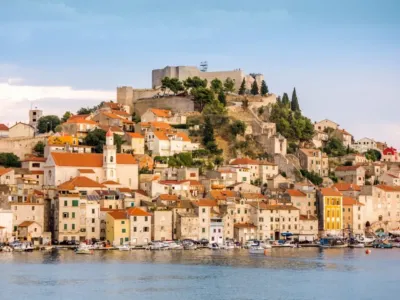
Šibenik waterfront and medieval fortress above terracotta-roofed houses

Croatia Grand Circuit Tour: 10 Days

From €

A 10-day Croatia Grand Circuit Tour linking Zagreb, Plitvice Lakes, Zadar, Šibenik, Split, Hvar and Dubrovnik. Experience UNESCO heritage, national parks, island scenery and authentic Croatian cuisine with multilingual guiding and half-board arrangements.

Book now


© 2026 RakiYa Travel

  • Albania Insights
  • Terms and Conditions
x

Log in

Forgot your password?

x

Register

English
Italian