Lake Bled
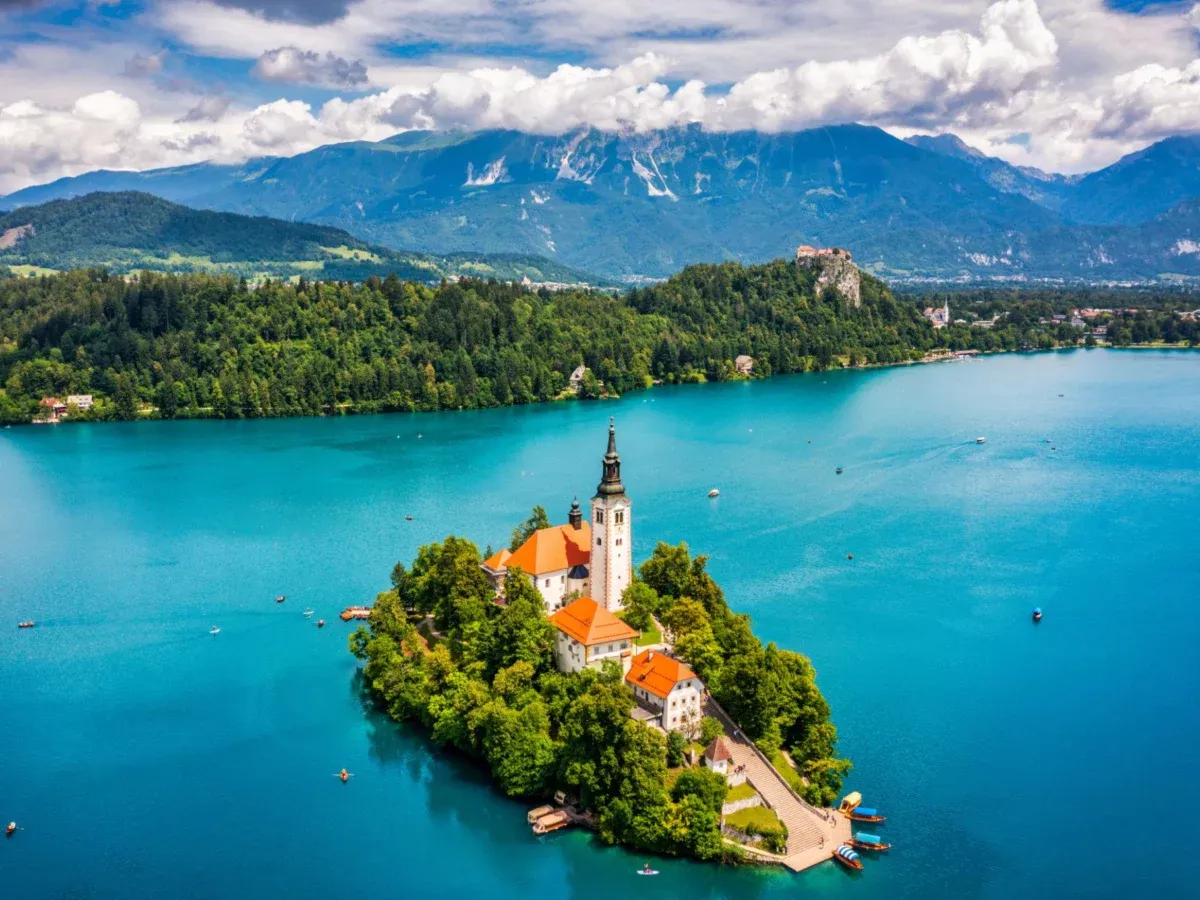
Lake Bled is one of Slovenia’s most recognisable destinations, combining an alpine lake, a small church island, a medieval castle and a compact town setting that works well in escorted tours, FIT programmes and wider Central European or Balkan itineraries. The lake lies in north-western Slovenia, close to the Julian Alps, and is particularly effective as a one- or two-night stop between Ljubljana, the Slovenian Alps and neighbouring Austria or Italy. Partners can use it as a scenic introduction to Slovenia, a soft-adventure base or a restorative extension after a more intensive cultural circuit.
The core experience is a walk around the lakeshore, with views across the water to Bled Island and the mountains beyond. Visitors often describe the scenery as highly picturesque and feel that it justifies the destination’s popularity. The full circuit is generally an easy, scenic walk, although conditions become steeper on routes leading to the castle and viewpoints. Many travellers recommend arriving early, visiting in the late afternoon or choosing spring and autumn, as summer and coach-tour hours can bring considerable crowds.
Lake Bled’s essential sights
Bled Island is reached by traditional wooden pletna boat or by electric boat. On the island, visitors can see the Church of the Mother of God on the Lake, climb the bell tower and explore the small island setting. Boat services, admission arrangements and opening hours can vary, so group programmes should allow time for queuing and confirm the current operating details before travel. Visitors often consider the pletna ride worthwhile, but the slower pace, separate costs and possible need for cash should be explained clearly to clients.
Bled Castle stands on a rocky rise above the lake and provides one of the destination’s strongest viewpoints. The complex includes historic buildings, a museum, courtyards and spaces connected with local wine and printing traditions. The approach from the upper parking area is notably steep, so guides should consider the walking ability of the group and allow suitable time. The view is frequently praised by travellers, while opinions about the museum and admission value are more varied. The Bled Castle visitor information gives current practical details on access, parking and opening arrangements.
For a wider selection of local attractions, the Bled Tourist Board’s attraction guide covers Bled Island, the castle, Ojstrica, Mala and Velika Osojnica, Vintgar Gorge and nearby natural areas. The viewpoints above the lake reward active clients with broad alpine panoramas, but their paths include climbs and uneven sections. Suitable footwear is therefore important, particularly after wet weather.
Food, timing and itinerary planning
A visit is not complete for many clients without tasting kremšnita, the local cream cake traditionally associated with Bled. It works well as a café stop or part of a relaxed lakeside programme. Travellers often recommend trying it, although the most famous lakeside cafés may feel relatively expensive. Local restaurants can also support menus featuring Slovenian ingredients, freshwater fish, seasonal produce and regional wines.
Plan at least a full day for the lake, island and castle. Two nights allow a more comfortable rhythm, a viewpoint walk, Vintgar Gorge or an excursion towards Triglav National Park. Vintgar Gorge is a popular addition, but it operates seasonally, has changing daily hours and can reach its busiest period between approximately 10:00 and 13:00. Advance planning is important because daily visitor capacity and ticket availability may be limited. The official Vintgar Gorge opening information should be checked close to departure.
From Ljubljana, the drive is approximately one hour and a half, depending on traffic and the chosen route. Ljubljana’s bus connection is useful for independent travellers, although the main bus station is a walk from the lakeshore. Coach groups should plan drop-off, parking and access carefully, particularly around the middle of the day. Bled fits cultural and escorted tours, self-drive holidays, soft-adventure programmes, photography itineraries, food-focused travel and selected incentive extensions. It can also complement a regional route that links Slovenia’s alpine and cultural destinations with Croatia, Montenegro or other Balkan countries, subject to the operating partner and itinerary design.
Best time to visit Lake Bled
Late spring to early autumn is generally the most practical period for combining lakeside walks, viewpoints and nearby outdoor activities. July and August offer long days but also bring the highest demand, traffic and visitor numbers. Early starts help groups enjoy the waterfront and island with less pressure. April, May, September and October can provide a calmer atmosphere, although weather is more changeable and some outdoor services or attractions may operate on reduced seasonal schedules.
Winter brings a quieter lakeside experience and a different alpine atmosphere, but shorter days, cold weather, snow and occasional icy paths can affect walking programmes. Vintgar Gorge and some boat or attraction services may not operate outside their main season. Confirm transport access, attraction opening periods, boat schedules and group arrangements before finalising a programme. For current island services, including boat access and admission information, consult the official Bled Island visitor information.
| Visa requirements | Lake Bled is in Slovenia, which is part of the Schengen Area. Citizens of the European Union, European Economic Area and Switzerland can generally enter Slovenia with a valid identity card or passport. Travellers from visa-exempt countries may usually visit for short stays of up to 90 days in any 180-day period, while other nationalities normally require a Schengen visa before arrival. Entry conditions depend on nationality, passport type, purpose and length of stay. Passports should meet Schengen validity requirements, and border officials may request evidence of accommodation, onward travel, sufficient funds or travel insurance. Tour operators should check current rules for every nationality in a group before confirming the programme, particularly where travellers are crossing several Schengen and non-Schengen borders. Visa and entry requirements can change. Confirm the latest position through Slovenian authorities or the relevant consulate before departure. |
|---|---|
| Languages spoken | Slovene is the official language; English and German are commonly understood in tourist services. |
| Currency used | Euro (EUR). |
| Area (km2) | Lake area: approximately 1.45 km². |
| Country name | Slovenia |