Best Time to Hike the Albanian Alps: A Month-by-Month Guide
The best time to hike the Albanian Alps is generally from late June to September. July and August offer a more dependable window for classic high-altitude trails, while September often brings milder walking temperatures and fewer visitors. For international tour operators planning guided hiking holidays in 2027, choosing the right month is essential for safety, accommodation availability and the overall experience.
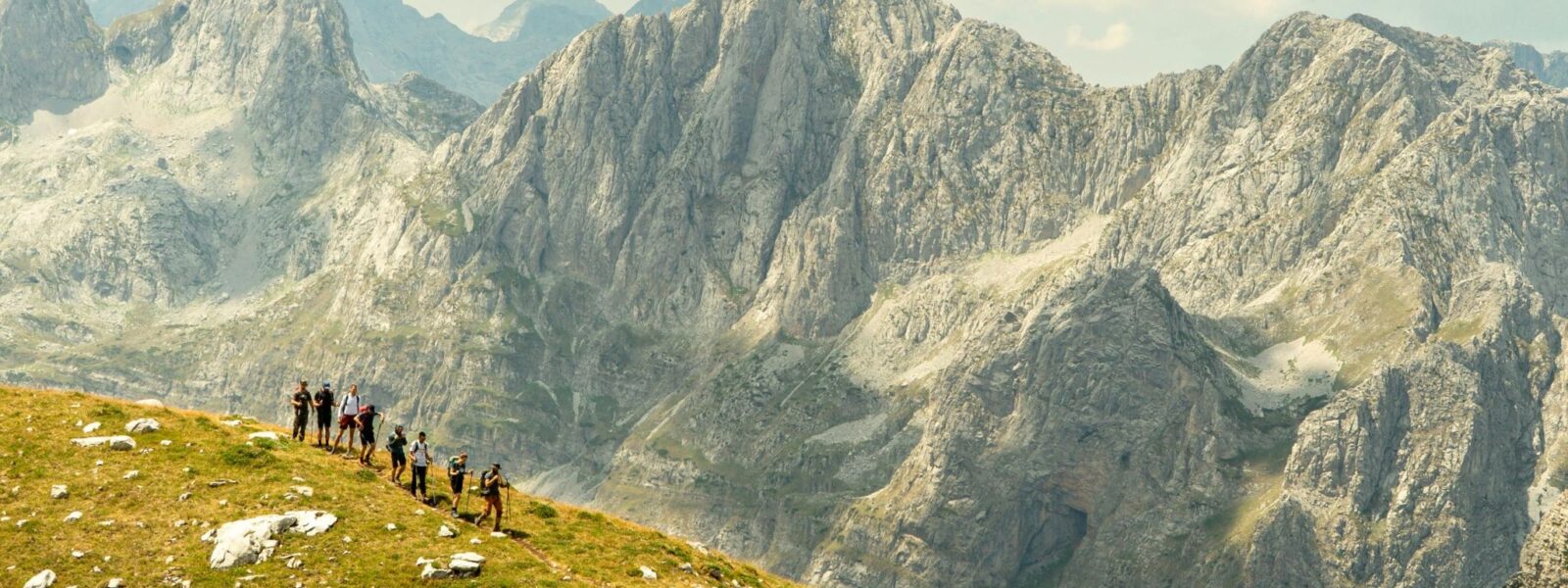
The Albanian Alps, also known as the Accursed Mountains or Bjeshkët e Nemuna, are among the most spectacular mountain regions in the Western Balkans. Their limestone peaks, remote villages, forested valleys and traditional guesthouses create opportunities for both active hiking programmes and cultural journeys.
Popular destinations include Theth, Valbona and the surrounding mountain communities.
However, conditions vary considerably by elevation. A warm spring day in Theth does not necessarily mean that the high mountain passes are free of snow.
This guide explains the Albanian Alps hiking season month by month, the most suitable areas for different travellers and the operational considerations for travel agencies developing hiking programmes.
Albanian Alps Hiking Season at a Glance
| Period | Typical Conditions | Recommended Activities |
|---|---|---|
| January–April | Snow, ice and potentially restricted mountain access | Specialist winter activities only, subject to professional assessment |
| May–Early June | Green valleys, waterfalls and possible snow on high passes | Village walks, lower-altitude hikes and flexible nature programmes |
| Late June | Improving trail access, although lingering snow remains possible | Guided hiking subject to current route conditions |
| July–August | Long daylight hours, generally clearer high routes and greater visitor demand | Classic hiking itineraries, Theth–Valbona crossing and organised trekking |
| September | Often cooler temperatures, fewer visitors and generally favourable early-season conditions | Small-group hiking, active cultural tours and photography |
| October | Shorter days, changing weather and possible early snowfall | Flexible village-based programmes and selected lower-altitude walks |
| November–December | Increasing winter conditions and reduced seasonal services | Specialist activities only with appropriate local support |
Important: These are general seasonal guidelines rather than fixed trail-opening dates. Snow, rainfall, landslides and changing weather can make routes unsuitable even during the main hiking season.
May and Early June: Green Valleys and Waterfalls
Spring is an attractive period for visiting the lower valleys of the Albanian Alps. Melting snow feeds waterfalls, mountain vegetation becomes greener and villages are generally quieter than during the peak summer season.
In Theth, an itinerary may combine village walks, cultural heritage, local gastronomy and selected nature excursions.
Popular attractions include Grunas Waterfall, the traditional Lock-in Tower and routes towards the Blue Eye of Theth, depending on trail conditions.
The Albanian National Tourism Agency’s Theth guide provides further background on the village and its natural attractions.
Can Groups Hike from Theth to Valbona in May?
Tour operators should not plan a fixed May group departure around the Theth–Valbona high-pass crossing.
Snow and ice can remain on higher sections well into June. The absence of a physical trail closure does not establish that a crossing is safe.
For spring groups, a better approach is to organise flexible lower-altitude walks with alternative cultural and nature activities.
Late June: The Beginning of the Main Hiking Season
By late June, many high-altitude hiking routes become more accessible as winter snow retreats.
Longer daylight hours create additional opportunities for guided walks, while seasonal guesthouses are generally operating in the principal hiking valleys.
Nevertheless, high-pass access should be assessed individually. Snow may persist in shaded sections or on exposed slopes, especially after a prolonged winter.
For organised groups, local guides should assess the proposed route shortly before departure and have alternatives available if conditions are unsuitable.
Is Late June Suitable for Group Hiking Tours?
Yes, provided the programme includes appropriate route flexibility. Late June can be suitable for experienced hiking groups, but tour operators should avoid treating it as an unconditional opening date for every trail.
July and August: The Main Albanian Alps Hiking Season
July and August are generally the most dependable months for classic hiking itineraries in the Albanian Alps.
The combination of longer daylight hours, seasonal accommodation availability and more accessible high-altitude routes makes summer particularly suitable for organised trekking programmes.
Popular experiences include:
- Crossing the mountain pass between Theth and Valbona.
- Exploring the Theth and Valbona valleys.
- Guided day hikes to waterfalls and alpine viewpoints.
- Longer trekking stages in the Accursed Mountains.
- Staying in family-run mountain guesthouses.
However, July and August are also the busiest hiking months. Guesthouse availability may become limited, especially for groups requiring several twin rooms or particular room arrangements.
Mountain valleys can be warm during the afternoon, while exposed routes offer limited shade. Thunderstorms may also develop rapidly.
Early starts, adequate drinking water, weather monitoring and a realistic daily pace are essential.
2027 Albanian Alps Hiking Departures
For international travel agencies seeking scheduled active travel programmes, RakiYa Travel’s 2027 Guaranteed Departures include a seven-day hiking itinerary in the Albanian Alps.
The published programme currently lists departures on:
- 24–30 July 2027: English-language departure.
- 7–13 August 2027: Italian-language departure.
- 4–10 September 2027: Spanish-language departure.
These are scheduled programme dates, and individual departures are subject to their stated minimum participation requirements and current operating status.
Travel agencies should confirm availability and whether a departure has been marked as guaranteed to operate before confirming arrangements with clients.
September: An Excellent Balance for Hiking and Local Experiences
September is one of the most appealing months for travellers who prefer cooler walking conditions and a quieter mountain atmosphere.
During the first part of the month, many established routes remain accessible in suitable weather, while visitor numbers are often lower than during the height of summer.
September can work particularly well for:
- Small-group hiking holidays.
- Active cultural programmes.
- Photography groups.
- Private guided trekking itineraries.
- Travellers interested in local traditions and mountain hospitality.
After a day of hiking, travellers can enjoy traditional meals in family-run guesthouses, often featuring local cheese, homemade bread, seasonal vegetables and regional mountain dishes.
For tour operators, this combination of active travel and cultural experiences creates opportunities to differentiate Albania hiking products from conventional trekking holidays.
Planning consideration: Late September can bring more variable weather. Guides should reassess high-altitude stages and accommodation operations before each departure.
October: Autumn Scenery and Flexible Hiking Programmes
Early October can be attractive for photography, cultural experiences and shorter nature walks in the mountain valleys.
Autumn colours, quieter villages and traditional hospitality create a different experience from the summer hiking season.
However, October is less dependable for fixed high-altitude trekking programmes.
Shorter daylight hours, rain, early snowfall and seasonal guesthouse closures can affect both the trails and supporting logistics.
For international tour operators, October programmes should prioritise flexibility and avoid committing to high-pass crossings without current safety information.
November to April: Winter Conditions in the Albanian Alps
Winter transforms the Albanian Alps into a landscape of snow-covered peaks and remote mountain valleys.
However, this is not the normal season for recreational high-altitude group trekking.
Heavy snow, ice, avalanches, limited accommodation and potentially restricted road access can make travel significantly more demanding.
Winter mountain activities should only be arranged with appropriately qualified professionals, suitable equipment and a current assessment of local conditions.
For ordinary cultural and active travel groups, the main hiking season offers a more practical operating window.
Where Should You Hike in the Albanian Alps?
1. Theth: Hiking, Waterfalls and Mountain Heritage
Theth is one of Albania’s best-known mountain villages, surrounded by dramatic peaks and forested slopes.
The area offers a combination of hiking routes, scenic viewpoints, waterfalls and traditional northern Albanian culture.
Popular experiences include:
- Guided walks through Theth village.
- Excursions to Grunas Waterfall.
- Hiking towards the Blue Eye of Theth.
- Visits to local heritage sites.
- Traditional meals and overnight stays in mountain guesthouses.
For travel agencies, Theth works well as a two- or three-night mountain extension or as part of a longer active itinerary.
2. Valbona: Alpine Scenery and Traditional Hospitality
Valbona is known for its broad mountain valley, imposing peaks and family-run accommodation.
The valley is a natural starting or finishing point for the classic Theth–Valbona crossing.
It also offers opportunities for shorter walks, mountain photography, local gastronomy and nature-based programmes.
For additional destination background, consult the Albanian National Tourism Agency’s Valbona River Valley guide.
3. Komani Lake: A Scenic Connection to Valbona
Many Albanian Alps programmes incorporate a boat journey across Komani Lake as part of the route towards Valbona.
The lake is surrounded by steep mountain landscapes and can add a memorable scenic experience to the journey.
However, it also introduces operational considerations.
Travel agencies should coordinate ferry schedules, road transfers, luggage arrangements and the connection between the boat arrival point and the accommodation in Valbona.
Boat schedules and operational availability should be confirmed for the actual travel date.
4. Çerem and Dobërdol: Remote Mountain Trekking
For experienced hiking groups, Çerem and Dobërdol offer opportunities to explore more remote parts of the Accursed Mountains.
These areas form part of the wider Peaks of the Balkans trekking region, connecting mountain communities in Albania, Kosovo and Montenegro.
Compared with the more frequently visited Theth–Valbona crossing, remote mountain stages generally require more detailed preparation.
Accommodation can be basic, distances between settlements may be substantial and access to services is more limited.
These routes are better suited to experienced hikers with appropriate guiding and logistical support.
Theth to Valbona Hike: What Tour Operators Should Know
The Theth–Valbona crossing is one of the most recognised hiking routes in Albania.
It connects two mountain valleys by crossing a high pass through the Albanian Alps.
Depending on the starting and finishing points, the route is commonly described as approximately 15–18 kilometres, with substantial elevation gain and descent.
Most organised groups should allocate a full hiking day, often around seven to nine hours including breaks, depending on fitness, route conditions and the group’s pace.
This is a demanding mountain hike rather than an easy sightseeing walk.
Practical Group Planning Checklist
- Confirm the group’s fitness and previous hiking experience.
- Check current snow, weather and trail conditions.
- Arrange suitable local guiding.
- Confirm luggage transportation between overnight locations.
- Ensure adequate food, drinking water and appropriate clothing.
- Allow sufficient daylight and realistic rest breaks.
- Maintain an alternative itinerary if the crossing is unsuitable.
Tour operators should not promise completion of a particular mountain crossing regardless of weather or trail conditions.
What Makes an Albanian Alps Hiking Tour Authentic?
Although the mountains are the principal attraction, local hospitality is an important part of the Albanian Alps experience.
Traditional family-run guesthouses allow travellers to experience the culture of northern Albania through local cuisine, village life and interaction with residents.
Meals may include homemade bread, regional cheese, seasonal vegetables, mountain herbs and dishes prepared using local ingredients.
For travel agencies, these experiences can add cultural depth to an active holiday.
However, guests should receive accurate expectations about facilities. A remote mountain guesthouse may offer a memorable personal experience without providing the same services or accommodation standards as a conventional hotel.
Operational Advice for Travel Agencies and Tour Operators
Choosing the Right Hiking Difficulty
Not all Albanian Alps itineraries require the same level of fitness.
Short village walks can suit travellers seeking an active cultural experience, while high-pass crossings and multi-day mountain treks require greater stamina and preparation.
When designing a group programme, assess both walking distance and elevation gain, including difficult descents.
Accommodation and Room Arrangements
Many mountain accommodations are small, family-run guesthouses with limited room availability.
Tour operators should confirm room types, bathroom arrangements, meal services, heating where relevant and capacity for the entire group.
For larger groups, accommodation may need to be divided across several properties.
Transport and Luggage Logistics
Mountain transfers require additional planning compared with city-based touring.
Vehicle suitability, road conditions, luggage capacity and guesthouse access should be assessed when preparing the programme.
For point-to-point hiking routes, dedicated luggage transfers can allow travellers to carry a daypack rather than all their belongings.
Weather and Emergency Planning
Conditions can change rapidly in the mountains, including during July and August.
Local guides should assess weather forecasts, trail conditions and the group’s ability before setting out.
Organisers should establish appropriate communication, contingency and emergency procedures for remote hiking activities.
Cross-Border Trekking Requirements
Some Peaks of the Balkans routes cross international borders between Albania, Kosovo and Montenegro.
Tour operators must check passport requirements, permitted crossing procedures and any advance permissions for the specific route and travellers.
Requirements can vary by nationality and crossing location. They should be verified with the relevant authorities before confirming an itinerary.
Frequently Asked Questions About Hiking in the Albanian Alps
What Is the Best Month to Hike the Albanian Alps?
July, August and September are generally the most practical months for classic hiking itineraries. September can be particularly attractive for travellers who prefer milder temperatures and fewer people on the trails.
Can You Hike from Theth to Valbona in May?
The high pass may still contain significant snow and ice in May. Travel agencies should not schedule a standard group crossing at this time without a specialist assessment of current conditions. Lower-altitude activities are generally a more suitable option.
Is June a Good Time for Hiking in Albania?
June can be suitable for hiking, particularly in the lower valleys. The suitability of higher routes depends on snow conditions. Late June is generally more practical for organised high-altitude itineraries than early June.
Is September Good for Hiking in the Albanian Alps?
Yes. September often offers comfortable walking temperatures and fewer visitors. Early September is particularly attractive for small-group trekking, although weather and high-pass conditions must still be checked.
Are the Albanian Alps Suitable for Beginner Hikers?
Some village-based walks and shorter nature trails can suit beginners. The Theth–Valbona crossing and remote multi-day treks require a higher level of fitness and preparation.
Do You Need a Guide in the Albanian Alps?
Not every trail legally requires a guide, but knowledgeable local guides are particularly valuable for organised groups, remote routes and travellers unfamiliar with mountain conditions.
How Many Days Do You Need for an Albanian Alps Hiking Tour?
Three to four days can provide an introduction to the mountain region, while six to eight days allow a more substantial hiking itinerary. Longer programmes may incorporate additional remote valleys or cross-border trekking routes.
What Is Accommodation Like in the Albanian Alps?
Accommodation commonly consists of family-run guesthouses, particularly in rural mountain communities. Facilities, room arrangements and service levels vary, so travel agencies should confirm the details of each property before booking.
When Is the Best Time for the Peaks of the Balkans Trek?
Late June to September is generally the most practical planning period for a full trekking programme. Actual operating dates depend on snow conditions, the selected stages, accommodation and cross-border arrangements.
Plan an Albanian Alps Hiking Tour with RakiYa Travel
The Albanian Alps offer a distinctive combination of mountain adventure, traditional hospitality and natural landscapes.
For international travel agencies, successful hiking programmes require more than choosing scenic routes. Accommodation, transport, guiding, group fitness, weather conditions and contingency planning all contribute to the overall experience.
RakiYa Travel works exclusively with international tour operators and travel agencies, coordinating hiking and active travel programmes across Albania and selected Western Balkan destinations.
Our B2B services include:
- Private and tailor-made Albanian Alps hiking programmes.
- Small-group guided departures.
- Theth and Valbona itineraries.
- Mountain guesthouse coordination.
- Ground transport and luggage transfers.
- Local guides and activity arrangements.
- Multi-country Peaks of the Balkans programmes.
- On-the-ground operational support.
Explore RakiYa Travel’s hiking and adventure tour portfolio or discover the 2027 Albania Guaranteed Departures, including the scheduled Wild Alps hiking programme.
International travel agencies can also contact RakiYa Travel to request a private hiking itinerary or discuss active travel programmes for their clients.
RakiYa Travel – Where Business Meets the Balkans.