
A Serbia group tour 2027 can combine lively city culture, Danube heritage, wine country, Orthodox monasteries and western mountain landscapes within a well-connected programme. For international tour operators and travel agencies, Serbia works particularly well as a standalone escorted tour or as part of a wider Balkan itinerary with Montenegro, Bosnia and Herzegovina, Croatia, Kosovo or North Macedonia.
The most effective programmes balance Belgrade and Novi Sad with slower rural experiences. Western Serbia rewards careful planning: distances may look short on a map, but mountain roads, viewpoints and dispersed attractions increase transfer times. RakiYa Travel can coordinate accommodation, coaches, guides, meals, activities and regional ground handling as a licensed DMC partner for Serbia and the wider Balkans.
Why a Serbia Group Tour 2027 works for international programmes
Serbia offers a varied product without requiring long internal flights. Belgrade sits at the confluence of the Sava and Danube and provides museums, historic monuments, cultural venues and a strong urban dining scene. Belgrade’s international airport, rail network and highway connections support city breaks, cultural groups and event-led itineraries.
Beyond the capital, Novi Sad provides a more relaxed base for Petrovaradin Fortress, the Danube, Fruška Gora and Sremski Karlovci. Further south and west, Šumadija, Zlatibor, Tara National Park and Mokra Gora introduce wine, rural hospitality, mountain scenery and traditional food. Studenica adds a major religious and historical dimension.
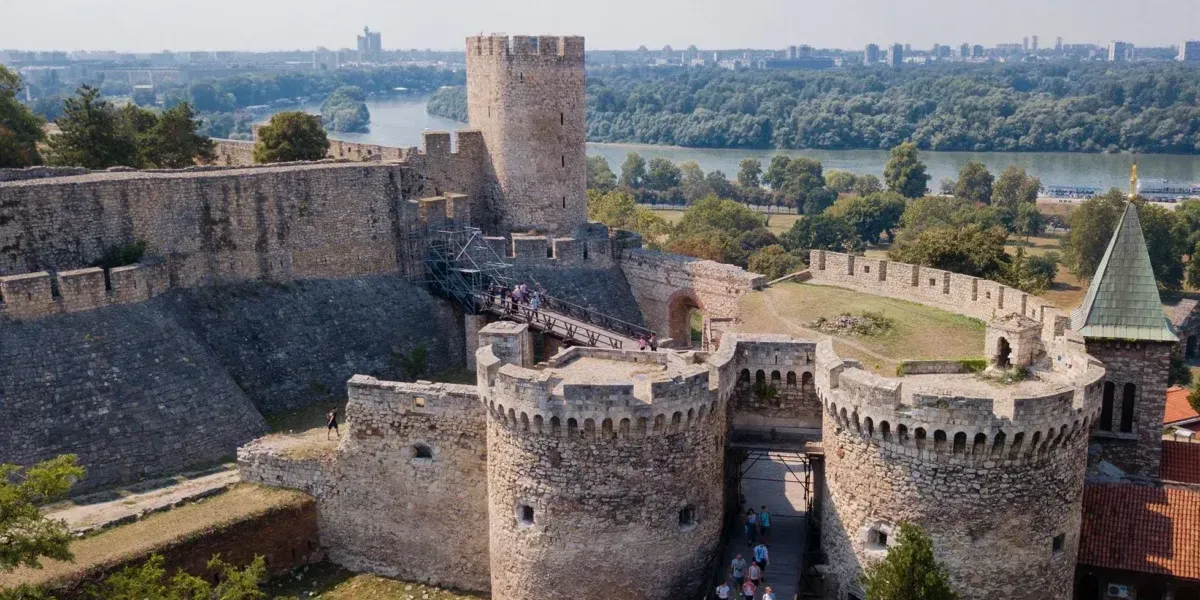
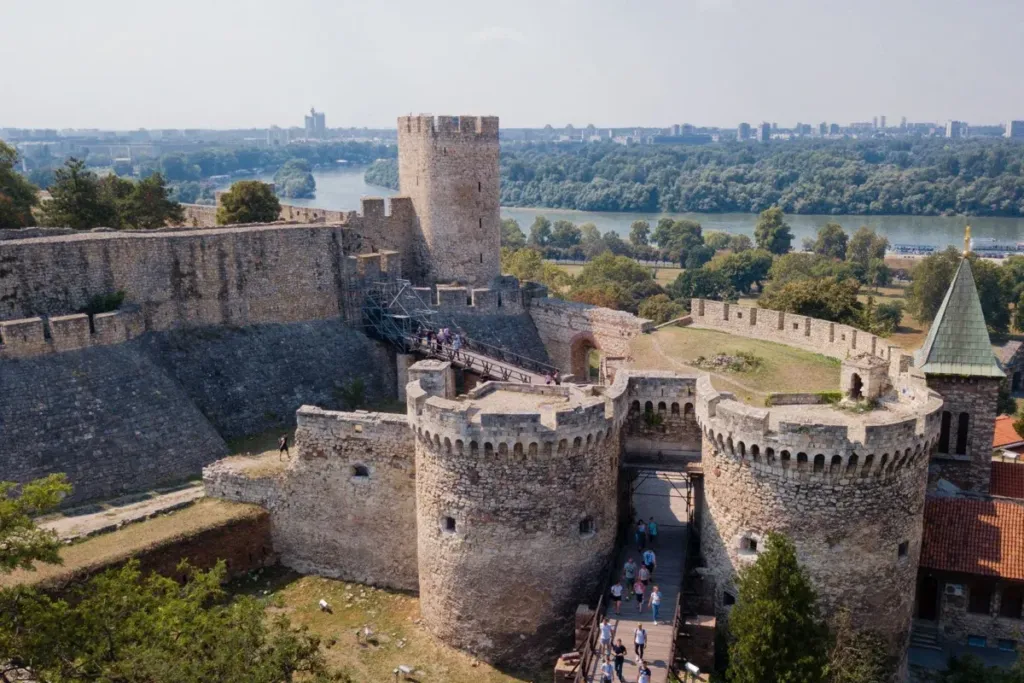
Visitors often value Belgrade Fortress and Kalemegdan because the site combines layered history, green walking areas and broad Sava–Danube views. It is a useful first-day experience for groups, although uneven surfaces, substantial walking and busier sunny weekends should be considered when planning for older travellers.
Best Serbia group tour routes for 5 to 10 days
The best route depends on the market, arrival airport, group profile and desired pace. The following timings are approximate road estimates and should be checked against the final hotel, traffic, roadworks, weather and stop plan.
| Programme | Suggested route | Best for | Operational profile |
|---|---|---|---|
| 5 days | Belgrade – Novi Sad – Fruška Gora – Belgrade | First-time visitors, city and culture groups | Moderate driving, comfortable for escorted touring |
| 7 days | Belgrade – Novi Sad – Fruška Gora – Šumadija – Zlatibor – Mokra Gora | Culture, wine and soft nature | More road time; use carefully selected bases |
| 8 days | Belgrade – Novi Sad – Šumadija – Zlatibor – Tara – Mokra Gora | Scenery, food, wine and rural experiences | Mountain logistics require flexibility |
| 10 days | Belgrade – Novi Sad – Fruška Gora – Šumadija – Studenica – Zlatibor – Tara – Mokra Gora | Comprehensive cultural and nature touring | Best with two-night stays and a prepared coach plan |
Five-day cultural Serbia
Use Belgrade for two or three nights, then travel north to Novi Sad and Fruška Gora before returning to the capital. Belgrade to Novi Sad is usually a little over one hour by road, while the Soko train takes about 35 minutes; Serbia’s official transport information outlines the country’s air, rail and road connections. For a touring group, a private coach remains more practical because it allows luggage handling, guiding and onward visits.
A suitable structure is two nights in Belgrade, one night in Novi Sad and one final night near the airport or in Belgrade. Add Petrovaradin Fortress, Sremski Karlovci, a winery or traditional farmstead, and a hosted dinner rather than trying to include western Serbia in the same short programme.
Seven-day culture, wine and mountains
After Belgrade and Novi Sad, continue through Šumadija towards Zlatibor and Mokra Gora. This route adds rural Serbia without making Tara National Park essential. It suits groups interested in food, wine, traditional architecture, scenic rail travel and moderate walking.
Allow approximately two hours by road from Belgrade to Novi Sad, including group loading and traffic contingency, and around three to four hours from Novi Sad towards Zlatibor depending on the exact route and stops. Zlatibor to Mokra Gora is comparatively short, but the western Serbia programme should not be planned around fast motorway-style travel.
Eight- to ten-day western Serbia circuit
A longer route can include Zlatibor, Tara National Park, Mokra Gora and Studenica. Tara is known for forested landscapes, Serbian spruce, Drina viewpoints and marked outdoor routes. Serbia’s national parks information provides useful route-building context for Tara, Fruška Gora and other protected areas.
Plan at least two nights in the western region where possible. Travellers frequently recommend allowing more time than expected because viewpoints and rural attractions are spread out, while public transport is less convenient. A coach with an experienced driver and a local guide makes the itinerary more dependable than relying on point-to-point public transport.
Core destinations and what groups can do there
Belgrade: history, rivers and urban culture
Belgrade is the natural arrival point for many international programmes. A full sightseeing day can include Kalemegdan and Belgrade Fortress, the confluence of the Sava and Danube, central pedestrian areas, museums and a hosted Serbian meal. Evening options range from a riverside dinner to live music or a private cultural performance, subject to availability.
Keep the first day realistic. After an international arrival, a short orientation walk and group dinner may work better than a full museum schedule. Belgrade Fortress is rewarding, but groups should have comfortable footwear and a clear meeting point because the complex includes slopes, stone surfaces and open walking areas.
Novi Sad, Petrovaradin and Fruška Gora
Novi Sad is a strong second base. The city can be paired with Petrovaradin Fortress, Danube viewpoints, local restaurants and an excursion into Fruška Gora. Fruška Gora’s proximity to Novi Sad and Belgrade makes it practical for combining wine, monasteries, nature walks and rural dining in a wider route.
Fruška Gora is particularly effective for groups because gentle nature walks, monasteries, wine tasting and local food can be combined in one day. Sremski Karlovci works well as a cultural and culinary stop. Book wineries and rural restaurants in advance, especially for weekends, summer dates and groups requiring private rooms or set menus.
Šumadija: wine, orchards and regional identity
Šumadija, the central heartland around Kragujevac, Topola and Oplenac, is suitable for a slower day between northern cities and western mountains. Depending on the route, programmes can include vineyards, local produce, historic sites and hosted tastings. Serbia’s wine routes extend across Šumadija, Fruška Gora, the Danube and other regions, giving product managers several options for themed touring.
Rakija can be introduced through a responsible tasting hosted by a producer or restaurant. Keep the format educational, with clear information about ingredients, production and moderation. Food experiences may include grilled meats, fresh salads, kajmak, local breads, seasonal vegetables and regional pastries.
Zlatibor: useful base, not the whole western Serbia story
Zlatibor offers a practical accommodation base with hotels, restaurants, spa facilities and access to nearby attractions. It is useful for groups that need a range of room types and evening dining. However, many travellers find the central resort busy and heavily developed, particularly in peak periods. Product managers should consider rural excursions and village-based experiences rather than presenting the resort centre as the complete destination.
Coach access, parking and restaurant capacity should be confirmed before contracting. For groups, a hotel outside the busiest central zone may offer easier arrivals and a calmer atmosphere, but this can increase evening transfer requirements.
Tara National Park and the Drina viewpoints
Tara is one of Serbia’s strongest nature extensions. Banjska Stena and other viewpoints are frequently praised for peaceful forest scenery and views over the Drina. Access conditions vary by road and weather, so the final programme should include a realistic walking plan and a weather alternative.
Tara is not best treated as a quick photo stop between cities. A full day allows time for viewpoints, short walks, local meals and the practical margins needed for mountain roads. Coaches may need to use designated parking areas, with smaller vehicles or walking sections for some attractions.
Mokra Gora: railway heritage and rural scenery
Mokra Gora is associated with the Šargan Eight scenic railway and Drvengrad, a traditional-style settlement linked to film director Emir Kusturica. The railway is often described by travellers as a memorable experience. Opinions of Drvengrad are more mixed, so present it accurately as an optional cultural attraction rather than the sole reason to visit the area.
Railway departures, group seats and rural restaurants should be reserved ahead. Confirm operating dates and departure times before publishing a fixed itinerary, as seasonal schedules and capacity can change.
Studenica Monastery: a planned heritage stop
Studenica Monastery is one of Serbia’s most important Orthodox heritage sites. UNESCO lists Studenica among Serbia’s World Heritage properties; the monastery was founded in the late twelfth century and is known for its major Byzantine frescoes.
The monastery is remote, so it needs deliberate routing rather than an unplanned excursion. Group visits should be announced in advance, and the monastery states that visits are permitted from 08:00 to 17:00 with expert guidance available. Check Studenica’s current official visitor information when confirming access, road arrangements and group requirements. Visitors should dress respectfully and follow photography and religious-site guidance.
Realistic driving times and transport planning
Road times below are planning estimates, not fixed guarantees. Add time for comfort stops, coach loading, city traffic, border-style checks where relevant, meal stops and weather.
| Leg | Approximate road time | Planning note |
|---|---|---|
| Belgrade – Novi Sad | About 1–1.5 hours | Motorway route; allow extra time for group loading and city traffic |
| Novi Sad – Fruška Gora / Sremski Karlovci | About 0.5–1 hour | Easy excursion area, but winery appointments determine the day |
| Belgrade – Šumadija | About 1.5–2.5 hours | Exact time depends on Topola, Oplenac or winery routing |
| Belgrade – Zlatibor | About 3.5–4.5 hours | Use a planned meal or heritage stop en route |
| Zlatibor – Mokra Gora | About 1–1.5 hours | Mountain routing; railway timing is the key constraint |
| Zlatibor – Tara viewpoints | About 1.5–2.5 hours | Allow additional time for local roads and walking |
| Belgrade – Studenica | About 3–4 hours | Best included on a south or western Serbia route |
For groups, a private coach is generally the most practical solution outside the Belgrade–Novi Sad corridor. Select vehicle size according to luggage, road access and comfort rather than passenger count alone. Smaller vehicles may be useful for mountain sections, while larger coaches simplify airport transfers and luggage operations.
Guides should be briefed on the group’s language, walking ability, dietary requirements and historical interests. A driver-guide can suit small private groups, while larger escorted departures normally benefit from a dedicated professional guide and driver.
Accommodation, meals and authentic experiences
Serbia can support a range of accommodation standards, from reliable city hotels to rural guesthouses and mountain properties. For international groups, confirm lift access, air conditioning, coach parking, breakfast timing, twin-room configuration, porter arrangements and reception hours before contracting.
Rural accommodation can add character but may have fewer rooms, limited accessibility or less flexible meal times. A split-rooming plan may be necessary in western Serbia. Always request a current rooming list, confirm single-room supplements separately and keep a city hotel alternative for groups that require consistent facilities.
Useful experiences include:
- Belgrade market visits or hosted Serbian cooking demonstrations.
- Fruška Gora winery tastings paired with regional food.
- A Šumadija vineyard or rakija producer visit.
- Traditional farmstead lunches near Novi Sad.
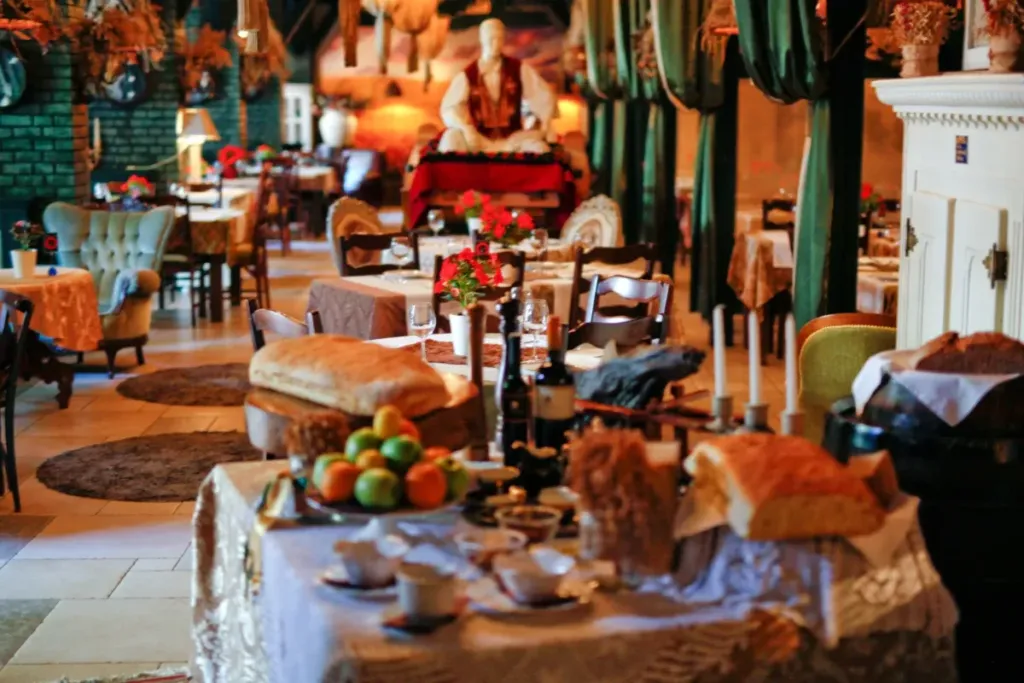
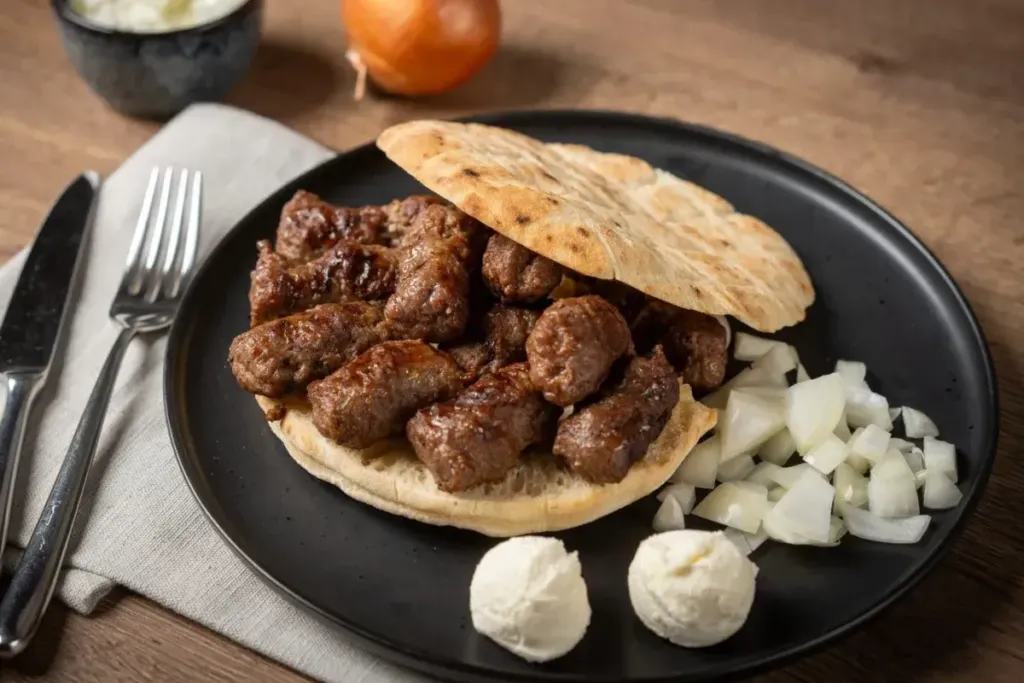
- Ćevapi, kajmak, grilled meats, seasonal vegetables and local breads served as a hosted dinner.
- Scenic railway travel on the Šargan Eight, subject to confirmed operation.
- Orthodox heritage interpretation at Studenica and other monasteries.
Food planning matters for groups. Request vegetarian, vegan, halal, allergy and religious-diet information before finalising menus. A set menu improves service speed, but include at least one regional speciality and explain the ingredients to clients.
Seasonality and operational challenges
May, June and September are often practical months for cultural and multi-stop touring, with generally suitable conditions for city walks and countryside excursions. July and August can be hot in cities and busy at popular resorts, while mountain evenings may remain cooler. Spring and autumn are attractive for food, wine and heritage programmes, but weather can change quickly in western Serbia.
Winter programmes can work for city breaks, gastronomy and selected mountain products. However, snow, ice and reduced daylight may affect Tara, Zlatibor, Mokra Gora and monastery access. Check road conditions before departure and maintain a flexible sequence for outdoor visits.
Key operational checks include:
- Confirm road conditions and weather before mountain departures.
- Reserve wineries, railway seats, monasteries and popular restaurants in advance.
- Check coach access, parking and turning space at rural properties.
- Allow time for uneven surfaces and walking at fortresses and monasteries.
- Confirm attraction opening periods and seasonal railway schedules.
- Build a weather alternative for Tara and other outdoor days.
- Review passport, visa and entry requirements for each nationality before sale.
Group cost considerations without fixed prices
There is no single Serbia group tour price. A quotation depends on travel dates, group size, rooming, hotel category, guide language, vehicle type, meal plan, attraction tickets, supplier availability and whether the programme is private or scheduled.
| Cost area | What affects the quotation |
|---|---|
| Accommodation | City versus rural location, room mix, board basis, season and single-room demand |
| Transport | Coach size, mileage, driver nights, mountain routing, airport transfers and waiting time |
| Guiding | Language, number of touring days, specialist interpretation and group size |
| Meals | Set menus, hosted tastings, drinks, dietary adaptations and venue capacity |
| Activities | Railway tickets, wineries, museums, monastery arrangements and private experiences |
| Operations | Local coordination, parking, permits where applicable, contingency planning and ground handling |
For accurate budgeting, send the DMC the proposed dates, arrival airport, passenger profile, language, group size, rooming assumptions, preferred hotel standard, meal basis and must-see experiences. It is also useful to state whether the programme will be sold as FIT packages, a private group departure or an escorted series.
Eight practical FAQs about Serbia group tours
1. How many days are needed for a Serbia group tour?
Five days suits Belgrade, Novi Sad and Fruška Gora. Seven to ten days are preferable for adding Šumadija, Zlatibor, Tara, Mokra Gora and Studenica without excessive daily driving.
2. Is Serbia suitable for first-time Balkan groups?
Yes. Belgrade provides a straightforward gateway, while the country offers an accessible introduction to Balkan history, food, Orthodox heritage, wine and mountain landscapes.
3. What is the best airport for an international group?
Belgrade is the principal arrival point for most Serbia programmes. Confirm current flight schedules and airport transfer requirements for the group’s origin markets before contracting.
4. Can Novi Sad be visited as a day trip from Belgrade?
Yes. The road journey is usually a little over one hour, and the fast Soko train takes about 35 minutes. A private coach is more flexible for groups combining Novi Sad with Petrovaradin or Fruška Gora.
5. Is western Serbia suitable for large coaches?
Many main routes are suitable, but mountain viewpoints, rural properties and narrow access roads require advance checks. In some locations, a coach may park away from the attraction and the group may walk or transfer locally.
6. Should Studenica be included in every itinerary?
No. Studenica is highly rewarding for cultural and religious groups, but its remote setting makes it more suitable for seven- to ten-day routes or specialist heritage programmes.
7. When should Serbian wineries and railway experiences be booked?
Book them before final confirmation, particularly for weekends, peak summer dates and organised groups. Confirm operating dates, language support, meal arrangements and cancellation terms.
8. Can Serbia be combined with other Balkan countries?
Yes. Serbia combines naturally with Montenegro, Bosnia and Herzegovina, Croatia, Kosovo and North Macedonia. A single regional DMC can simplify cross-border routing, supplier coordination and operational communication.
Why use one DMC for Serbia and the wider Balkans?
International partners benefit from one operational contact when a programme crosses several countries. RakiYa Travel coordinates tailor-made holidays, private and escorted groups, accommodation, transport, professional guiding, activities, restaurants and ground handling across Serbia and its wider Balkan destinations.
Our role is to adapt the programme to the partner’s market, language, budget, group profile and travel style while keeping the route realistic on the ground. RakiYa Travel has operated since 2024, holds tour operator and travel agency licences, and carries public liability insurance.
For a ready-to-sell Serbia cultural programme, review RakiYa’s Serbia Cultural Tour, which combines Belgrade, Novi Sad, Fruška Gora, Šumadija, Zlatibor, Mokra Gora, Tara and medieval monasteries. Partners can also use the Serbia destination overview when developing a broader portfolio.
Belgrade is a practical starting point for city-led programmes, while Novi Sad suits Danube, culture and wine extensions. Contact RakiYa Travel to develop a route that matches your clients and operational requirements.
Request Tailor-Made Serbia Group Rates for programme ideas, quotations and B2B partnership discussions.