
Serbia Cultural Tour: Heritage, Wine & Nature
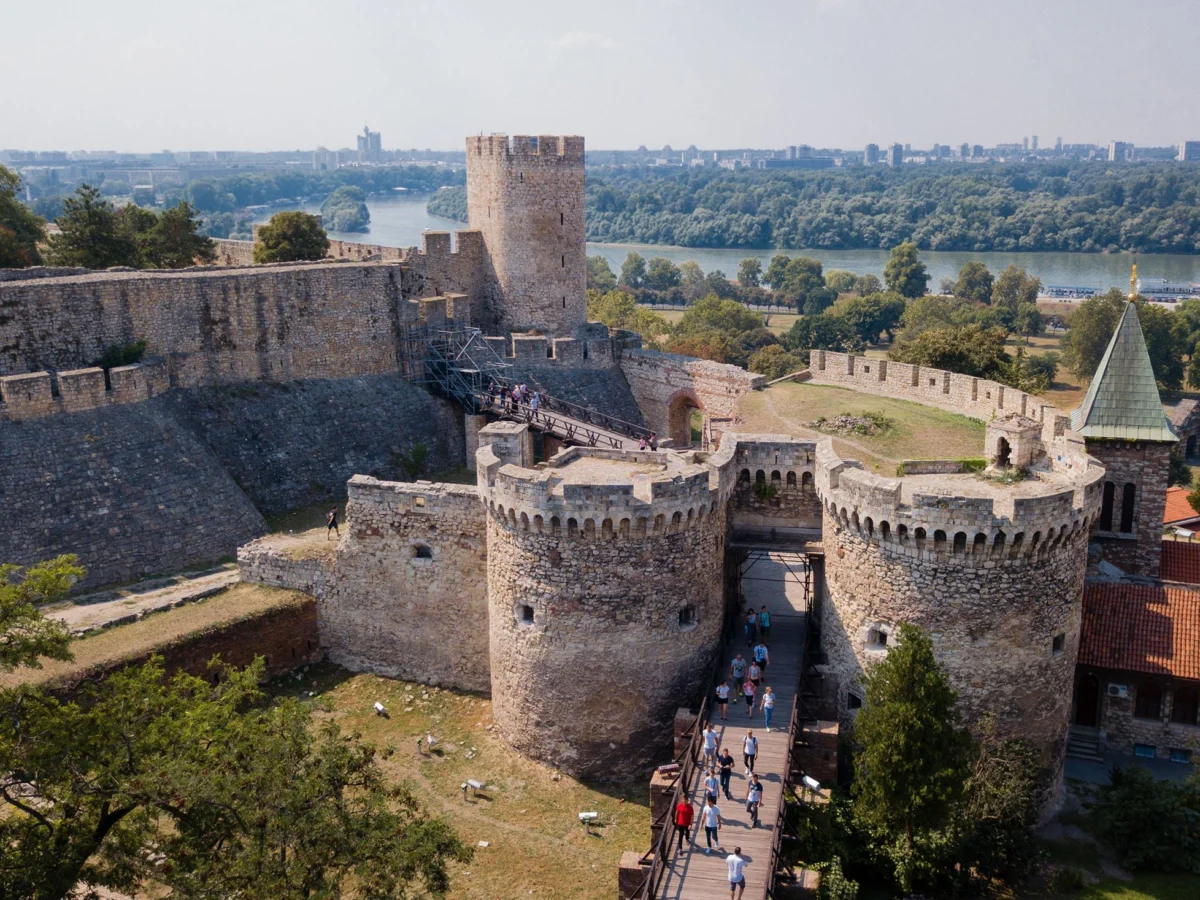
This Serbia cultural tour is an immersive 8-day journey through historic cities, royal heritage, mountain landscapes, monasteries, wine country and traditional rural communities. From Belgrade’s Danube and Sava confluence to the vineyards of Fruška Gora, the wooden villages of western Serbia and the forested viewpoints above the Drina, the programme balances guided discovery with time to explore independently. Belgrade’s position at the confluence of the Sava and Danube helps explain the capital’s layered history and lively riverfront setting.
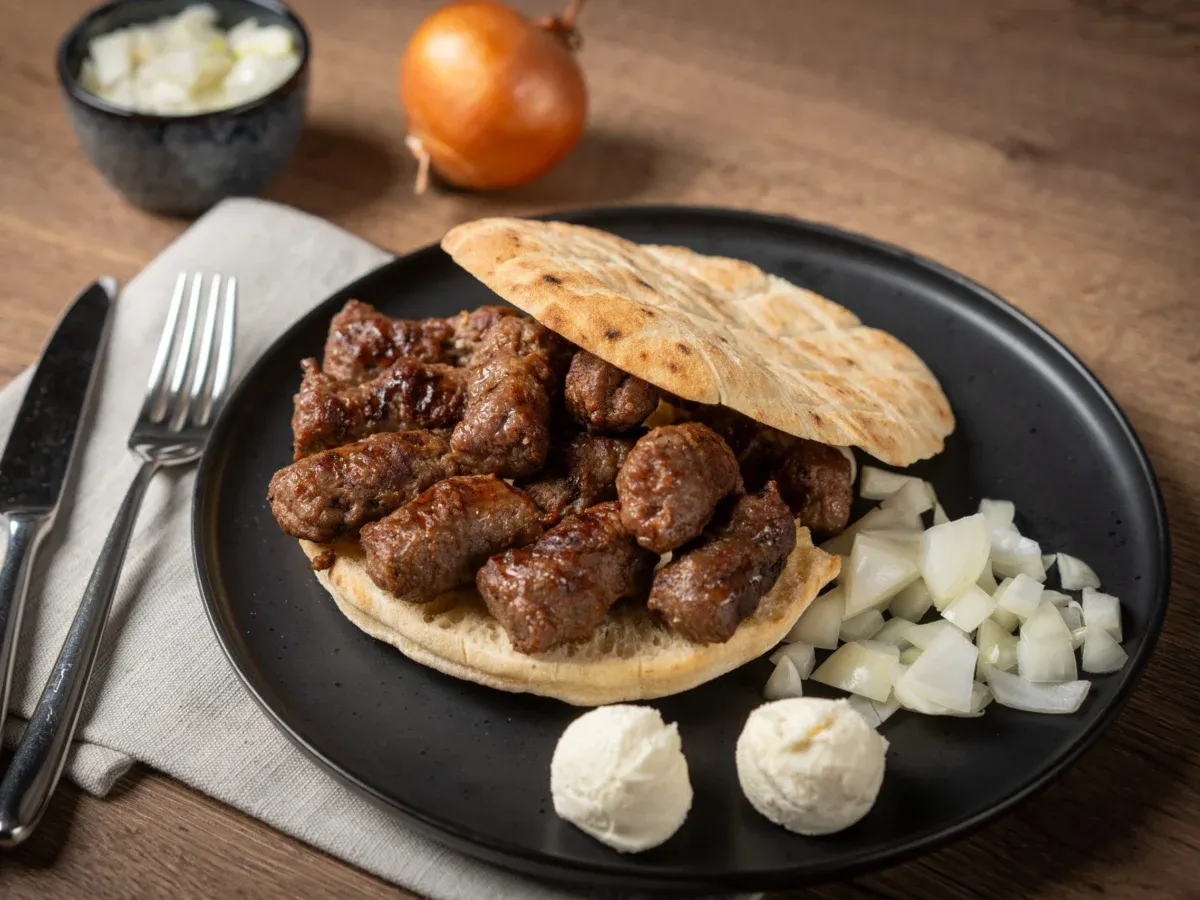
The route combines Serbia’s major cultural highlights with the flavours and everyday traditions that help bring the country to life: local markets, family-run producers, rakija, regional wines, traditional kafanas and village hospitality. Belgrade and Novi Sad provide contrasting urban experiences, while western Serbia offers a quieter setting of caves, forests, monasteries and scenic roads. Visitors often value the café culture and relaxed atmosphere in both cities. Private transport is particularly useful in this region, where viewpoints, villages and heritage sites are spread across rural areas.
For international tour operators, the programme can be used as a ready-made private departure or adapted for a small escorted group. Accommodation is planned at 4-star standard, with breakfast and dinner included, while sightseeing, local tastings and free time create a well-rounded journey without making the schedule overly formal.
Activities
Day 1: Arrival in Belgrade, Serbia’s Historic Capital
Arrive in Belgrade and meet the English-speaking guide and private driver for the transfer into the city. After settling into the hotel, begin with an introductory walk through the historic centre, including Republic Square, Knez Mihailova Street and the area around Kalemegdan Park. Belgrade stands at the confluence of the Sava and Danube, and its layered identity reflects Roman, Byzantine, Ottoman, Austro-Hungarian and modern Serbian history.
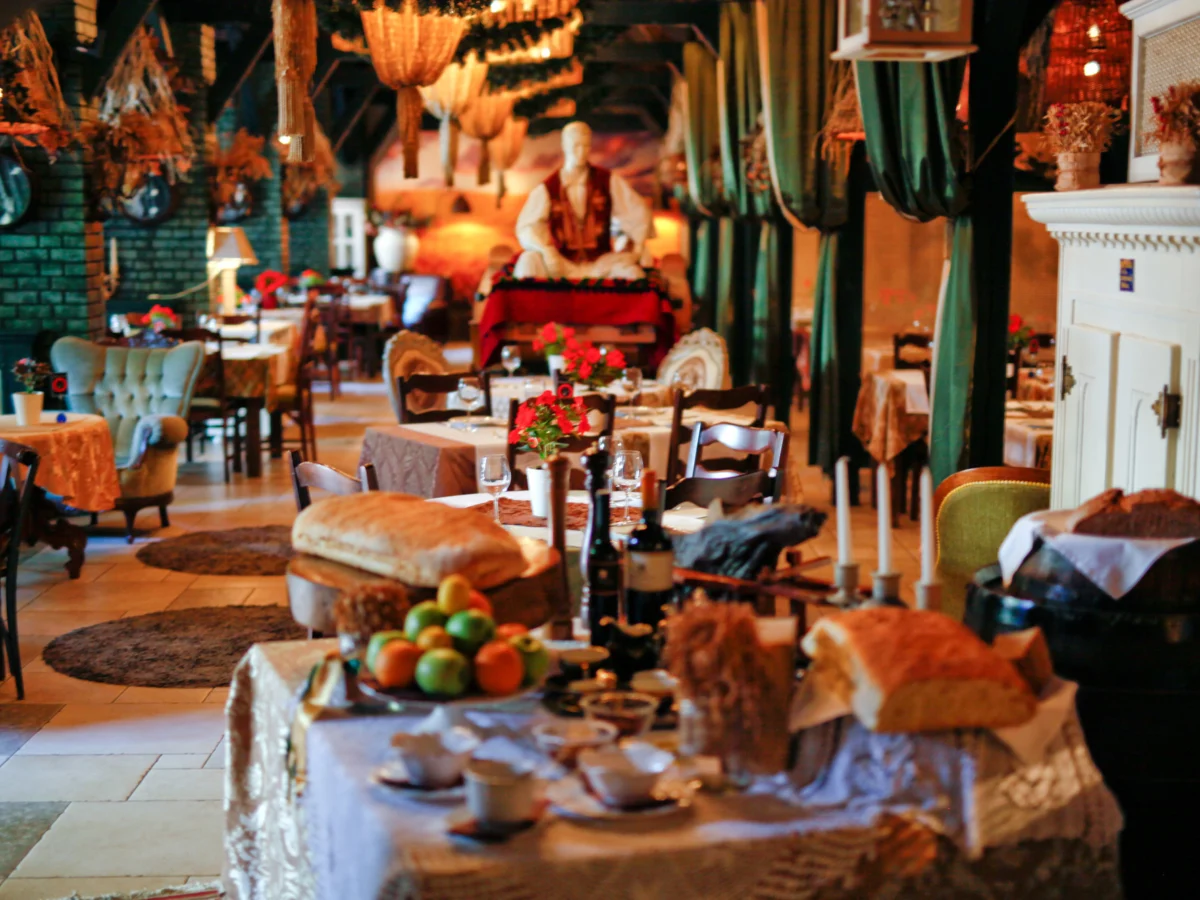
Continue to Belgrade Fortress for views over the rivers and the historic meeting point of Central and Southeast Europe. Dinner is served at an authentic local restaurant, offering an introduction to Serbian dishes and hospitality.
- Driving time: Approx. 1 hour, depending on airport traffic
- Meals: Dinner
- Overnight: Belgrade
Day 2: Belgrade Heritage, Markets and Contemporary Culture
Explore Belgrade in greater depth with a guided city tour. Depending on opening schedules, the programme may include the city’s principal museums, St Sava Temple, the old quarter of Zemun and additional viewpoints along the Danube. The route leaves time for clients to browse local shops, enjoy a coffee or explore independently.
A visit to a traditional market provides a useful introduction to Serbian seasonal produce, cheeses, cured meats and homemade preserves. In the evening, dine at a carefully selected local restaurant or kafana, where traditional recipes and regional drinks can be introduced in an informal setting. Visitors often value Belgrade for its contrast between monumental history, lively street life, green spaces and relaxed food culture.
- Driving time: Approx. 1 hour within Belgrade, depending on traffic
- Meals: Breakfast and dinner
- Overnight: Belgrade
Day 3: Novi Sad, Petrovaradin Fortress and Fruška Gora Wine Country
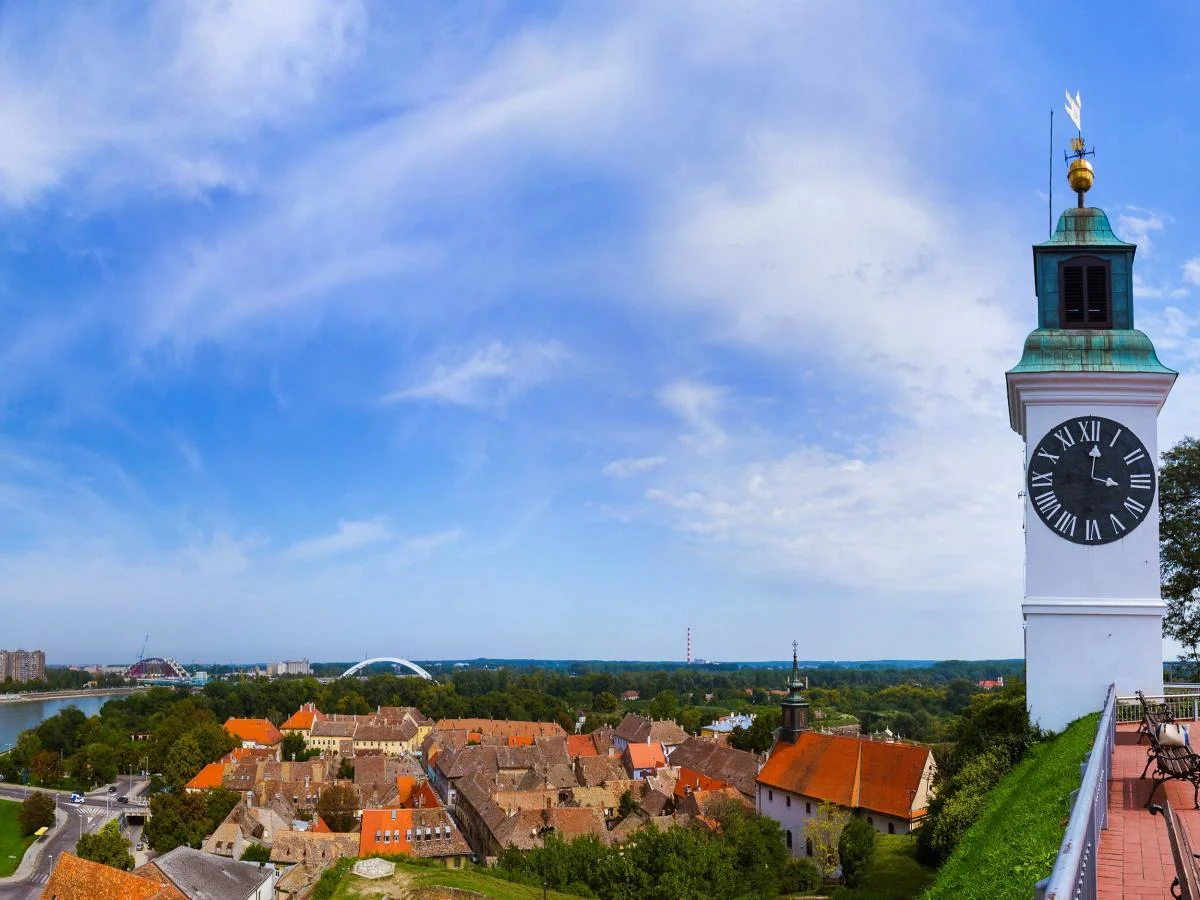
Travel north to Novi Sad, Serbia’s cultural centre on the Danube. Walk through the pedestrian centre, with its elegant squares, historic façades and cafés, before continuing to Petrovaradin Fortress. The fortress offers broad views over the Danube and Novi Sad, as well as an opportunity to discuss the city’s Habsburg-era military heritage. Travellers often single out the fortress for its spacious walking areas, galleries and relaxed atmosphere.
Continue into Fruška Gora, a low mountain landscape known for vineyards, monasteries and rural food traditions. A local wine tasting introduces regional varieties and may include Bermet, the aromatic dessert wine associated with the area. Sremski Karlovci and nearby Fruška Gora combine small-town heritage, long-established wine traditions and recreational landscapes. The experience can be paired with traditional snacks or a relaxed meal at a local restaurant. The day combines urban heritage with the slower rhythm of Serbia’s wine country.
- Driving time: Approx. 2 hours 30 minutes
- Meals: Breakfast and dinner
- Overnight: Novi Sad
Day 4: Šumadija Royal Heritage and the Road to Zlatibor
Leave Novi Sad for Šumadija, the historic heartland of modern Serbia. Visit Topola and the Oplenac complex, closely associated with the Karađorđević royal dynasty, subject to opening schedules. The area provides a valuable perspective on Serbian statehood, dynastic history and the agricultural landscapes of central Serbia. Its vineyards and royal connections form part of Šumadija’s wine route.
Continue towards Zlatibor through rolling hills and rural settlements. Along the route, stop with a local producer for a rakija tasting and an introduction to traditional fruit distillation. The tasting is an opportunity to discuss how plum, quince and pear rakija are made, while also emphasising the importance of choosing reputable producers. Arrive in Zlatibor for dinner and a relaxed evening.
- Driving time: Approx. 4 hours 30 minutes
- Meals: Breakfast and dinner
- Overnight: Zlatibor
Day 5: Zlatibor, Sirogojno and Mokra Gora
Explore the mountain landscapes around Zlatibor, with a visit to Stopića Cave and its distinctive tufa pools and underground waterfall, subject to seasonal access and local conditions. Travellers often describe the cave visit as atmospheric but relatively short. The route includes stairs and uneven or wet surfaces, so comfortable footwear is important and the site may not suit clients with limited mobility.
Continue to Sirogojno and the Old Village open-air museum, where traditional houses and craft traditions illustrate rural life. Later, travel towards Mokra Gora through forested mountain scenery. The area is known for its nature park and the Šargan Eight heritage railway. Mokra Gora and the Šargan Eight railway combine mountain scenery, heritage transport and traditional rural architecture. If operating conditions permit, the railway journey offers wooden carriages, tunnels and scenic photo stops; otherwise, the programme can focus on the village and surrounding landscapes.
- Driving time: Approx. 2 hours 30 minutes, excluding sightseeing stops
- Meals: Breakfast and dinner
- Overnight: Mokra Gora or Zlatibor
Day 6: Šargan Eight, Tara National Park and the Drina Valley
Continue through western Serbia to Tara National Park, travelling through forests, mountain villages and highland scenery. Where the railway did not operate on Day 5, the Šargan Eight may be scheduled today, subject to its timetable and advance availability. Visitors frequently praise the railway for its nostalgic atmosphere and scenery, although high-season departures can be crowded and warm, with limited views on some sections.
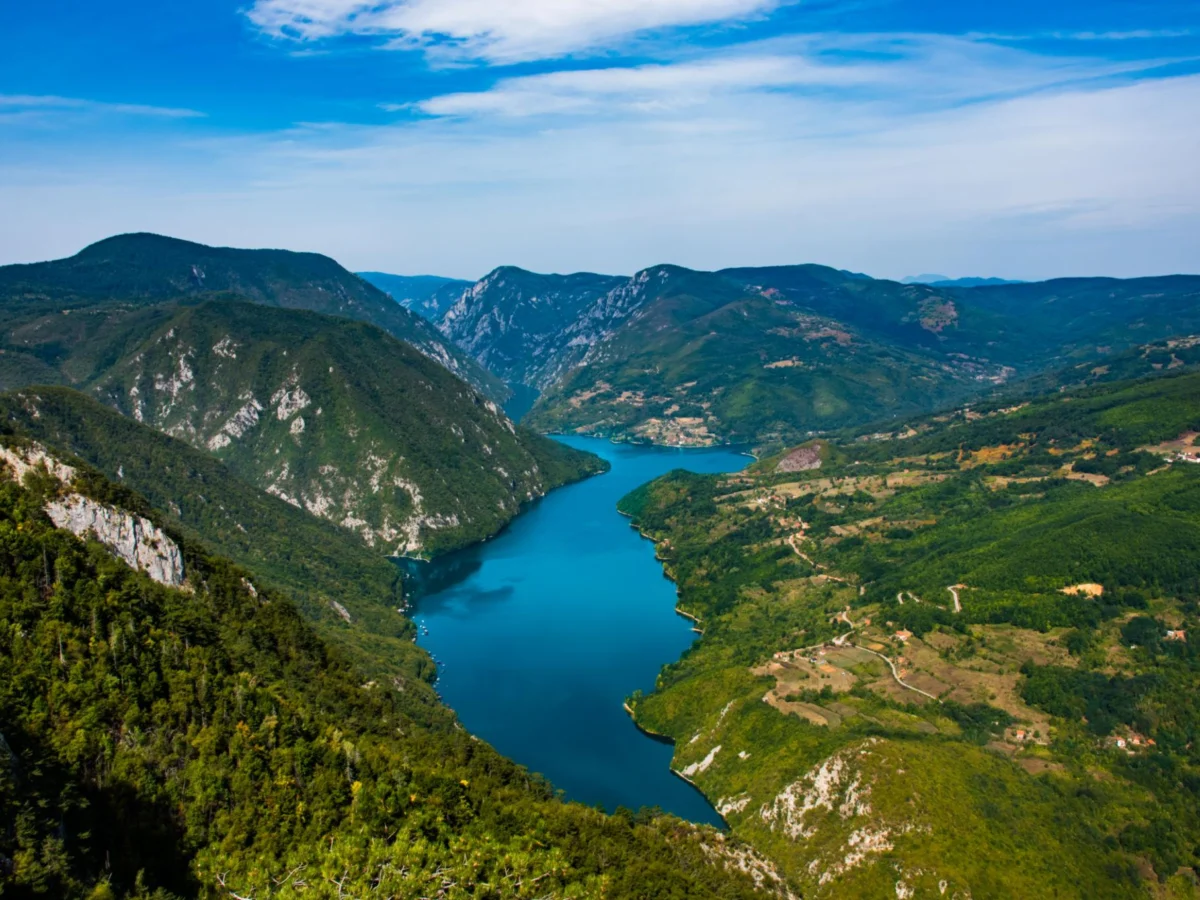
On Tara, visit a suitable viewpoint over the Drina canyon, with Banjska Stena considered where access and conditions allow. Tara National Park’s forests, viewpoints and Serbian spruce define this part of the route. Travellers often single out the Drina views as a highlight, while mountain roads and some trails require suitable footwear and awareness of changing weather. Continue towards the Rača Monastery area, subject to opening arrangements, and enjoy dinner featuring rural Serbian specialities.
- Driving time: Approx. 3 hours 30 minutes, excluding railway and sightseeing time
- Meals: Breakfast and dinner
- Overnight: Tara area or nearby western Serbia
Day 7: Studenica Monastery and Return to Belgrade
Travel east towards the medieval Studenica Monastery, one of Serbia’s most important religious and cultural monuments. Founded in the late 12th century, Studenica is recognised for its Raška architectural style and important Byzantine frescoes; UNESCO describes Studenica’s medieval heritage in detail. The visit provides space for respectful discussion of Serbian Orthodox tradition, medieval statehood and the monastery’s continuing cultural significance.
Continue to Belgrade through the changing landscapes of central Serbia. The journey is longer today, but the route connects Serbia’s western mountains with its capital in a geographically coherent way. On arrival, enjoy a final dinner at a local restaurant and leave time for an evening walk or independent exploration.
- Driving time: Approx. 5 hours 30 minutes, excluding the monastery visit and rest stops
- Meals: Breakfast and dinner
- Overnight: Belgrade
Day 8: Departure from Belgrade
After breakfast, private transfer to Belgrade Airport or another agreed departure point. Depending on flight schedules, clients may have free time for a final coffee, market visit or short walk before departure.
- Driving time: Approx. 1 hour, depending on traffic and departure arrangements
- Meals: Breakfast
- Overnight: End of the tour
Frequently Asked Questions
Who is this Serbia tour suitable for? It is designed for international tour operators selling guided cultural journeys to small groups and private clients. The route suits travellers interested in heritage, architecture, nature, gastronomy and local encounters.
What accommodation standard is included? The programme includes 4-star accommodation for seven nights. Exact properties depend on availability, routing and the final departure arrangements.
Are meals included? Breakfast and dinner are included throughout the programme. Lunches are free for clients to choose locally, allowing the itinerary to include markets, cafés and authentic regional restaurants.
Is private transport included? Yes. The programme uses private transportation with an English-speaking guide. The vehicle specification should be confirmed according to the final group size and luggage requirements.
When is the best time to operate the tour? Spring, early summer and early autumn are generally suitable for cultural touring, wine experiences and mountain visits. Summer offers longer days but can bring heat, crowds and more demand for the Šargan Eight railway. Mountain weather can change quickly, so viewpoints and rural roads remain subject to local conditions.
Are the Šargan Eight railway and caves accessible every day? No fixed year-round access should be assumed. Railway departures, cave opening periods, monastery access and attraction timetables must be checked for each operating date. Stopića Cave includes stairs and uneven or wet surfaces.
Can the programme be adapted? Yes. RakiYa Travel can adjust the balance between guided sightseeing, free time, gastronomy, wine, nature and religious heritage for a private departure or small escorted group, subject to confirmed availability.