
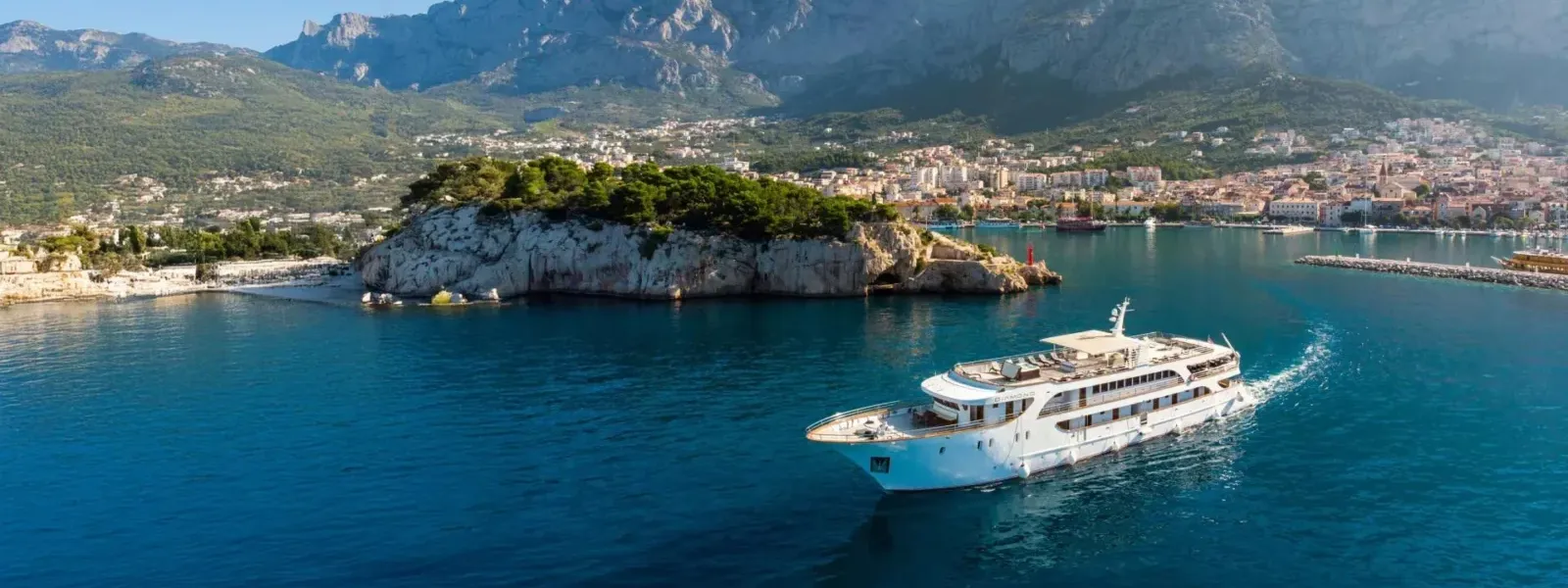
A luxury Adriatic itinerary linking Croatia, Montenegro and Albania gives travel advisors a compelling alternative to the traditional French Riviera. The appeal is not simply scenery or accommodation. It is the ability to combine private yacht travel, historic coastal towns, Mediterranean gastronomy, wellness, secluded coves and highly personal cultural experiences within one geographically coherent journey.
For HNW and UHNW travellers, the Adriatic increasingly offers something more valuable than a familiar resort circuit: time well used, privacy where it matters and access to places that feel distinctive without requiring a fully remote expedition. The commercial opportunity lies in designing the route carefully, rather than treating three countries as a checklist.
Why luxury travel is moving beyond status-led consumption
Luxury travellers continue to value comfort, service and beautiful settings. However, the definition of luxury is becoming more individual. Virtuoso’s 2027 Luxe Report identifies the continuing importance of highly personalised, culturally meaningful and experiential travel for affluent clients.
That shift is also visible in the yacht market. Burgess describes a movement among UHNW travellers towards privacy, freedom, personalisation and experiences that carry emotional meaning, rather than travel designed primarily to demonstrate status. A private yacht can therefore function as more than accommodation: it becomes a flexible platform for moving between islands, bays, beaches and historic ports at the traveller’s own pace.
For luxury tour operators and bespoke travel designers, this changes the product conversation. Clients may still request a private villa, a fine-dining table or a helicopter transfer. Yet the stronger proposition is the relationship between those elements: a swim from a yacht before breakfast, a privately guided walk through a medieval town, a local wine experience away from the busiest visitor hours, or a wellness stay positioned between two active coastal days.
These concepts should be distinguished carefully. Private yacht charters, villas, established resorts, restaurants and guide services can be incorporated subject to availability and supplier confirmation. Helicopter transfers, private island access, exclusive tastings and after-hours visits are possible concepts rather than automatic inclusions. They require route, aircraft, weather, licensing and supplier checks before they are presented as confirmed.
Croatia: yachting, islands and cultivated heritage
Croatia is the most established component of this Adriatic luxury story. Its combination of marina infrastructure, private yacht charter, island diversity and historic cities allows advisors to build journeys with a polished operational foundation.
Hvar suits clients looking for a lively island atmosphere, attractive waterfront dining and easy access to nearby coves. It can bring energy to a private itinerary, particularly for younger affluent travellers or groups who value restaurants, beach clubs and evening options. Traveller feedback regularly contrasts Hvar’s more social character with the quieter pace of Korčula, making the two islands useful as complementary rather than interchangeable stops.
Korčula is particularly well suited to clients who prioritise heritage, wine, food and a slower rhythm. Its old town, island landscapes and nearby vineyards support private tastings, guided heritage walks and relaxed days on the water. Advisors should allow enough time for the island experience rather than using it only as a short overnight between ferry connections.
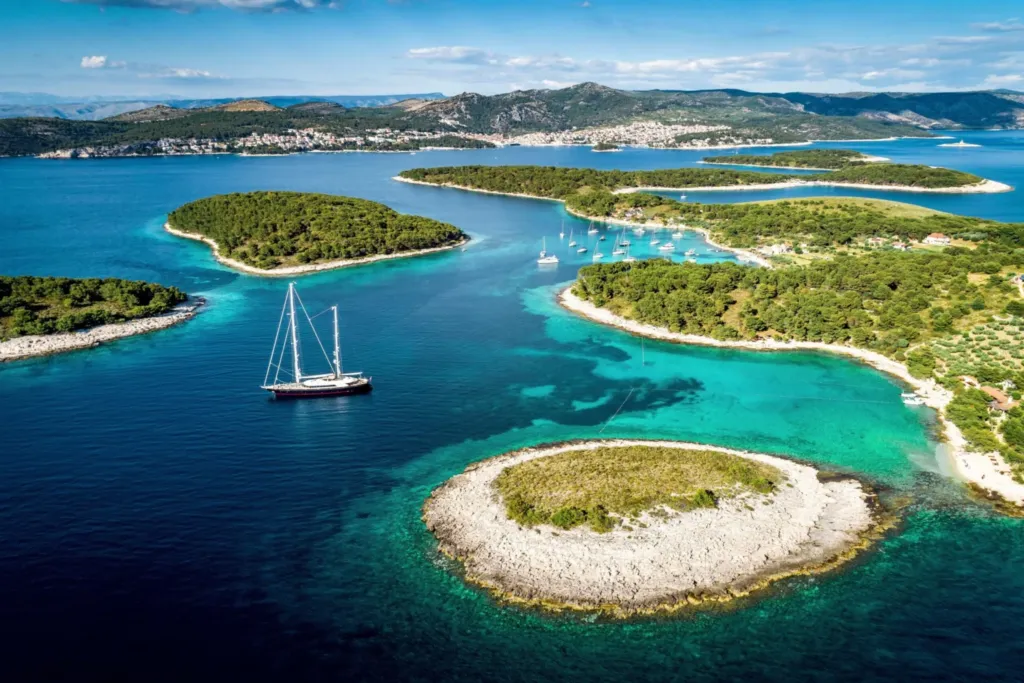
For a yacht-led programme, the islands create natural flexibility. Routes can be adjusted around weather, marina availability and the client’s preferred balance of sailing, swimming and shore time. Quiet coves and smaller islands are often among the highlights for travellers, although privacy depends on season, anchorage conditions and the captain’s operational judgement.
Dubrovnik adds a concentrated heritage experience, with its fortified old town, maritime history and strong visual identity. It is also a destination where timing matters. Visitors frequently mention cruise-day congestion and summer crowds, so early-morning touring, later afternoon visits and shoulder-season departures can create a more composed experience. The historic centre includes steep steps and uneven stone surfaces, which should be explained to clients before arrival.
A Croatia segment can therefore combine a private yacht, a villa or carefully selected hotel, island gastronomy, wine and a guided Dubrovnik experience. It provides a refined opening to the wider itinerary while leaving room for the contrasting landscapes of Montenegro and Albania.
Montenegro: Boka Bay, resort refinement and maritime drama
Montenegro offers one of the Adriatic’s most concentrated combinations of mountains, water and historic architecture. The sheltered waters of Boka Bay make it especially effective for private yacht days, scenic transfers and short coastal excursions. UNESCO recognises the natural and culturo-historical region of Kotor, including its Venetian-influenced architecture, maritime traditions and dramatic mountain setting.
Kotor is best presented as a heritage experience rather than simply a photogenic port. A knowledgeable guide can connect the old town’s churches, squares and maritime history with the wider geography of the bay. Travellers often value this interpretation, while also noting that fortress routes and historic lanes involve steps, uneven surfaces and limited shade.
Perast, the bay’s smaller historic settlements and private boat excursions create a useful contrast with Kotor. A yacht or small boat can reach viewpoints and coves that are difficult to experience by road. However, route planning must consider harbour access, traffic, weather, tender arrangements and the timing of other vessels in the bay.
For established resort accommodation, One&Only Portonovi provides a recognised luxury-resort option at the entrance to Boka Bay. Its location supports a combination of resort time, wellness, private dining concepts and excursions towards Kotor and the surrounding coast. Land and sea transfers can be arranged around nearby airports and marinas, but the precise vehicle, vessel and timing should always be confirmed for each booking.
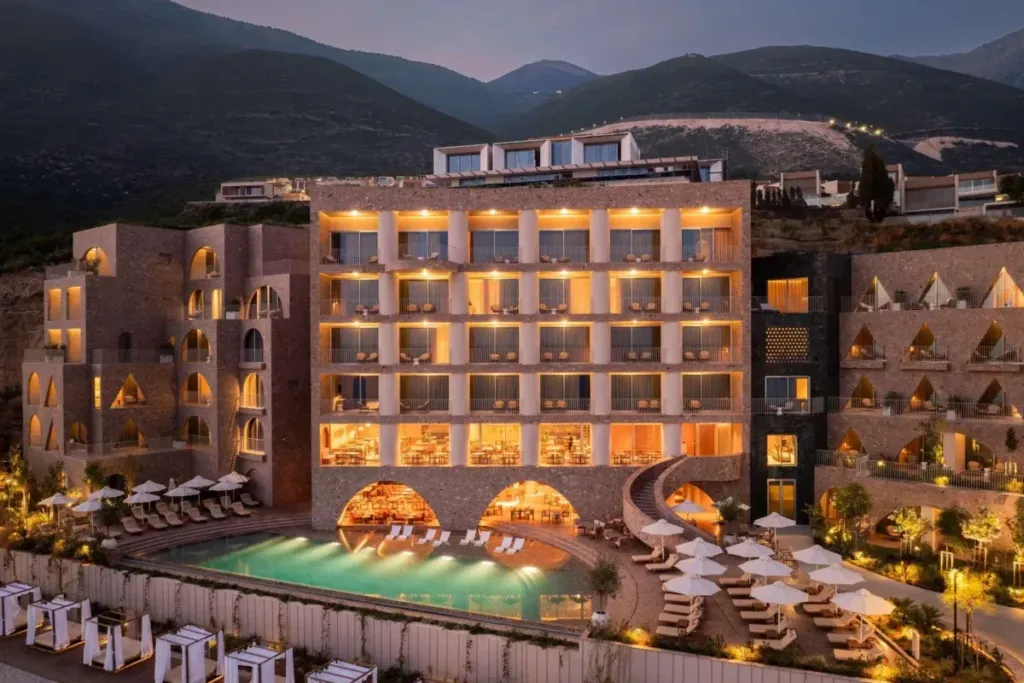
Montenegro’s resort landscape can also support incentive-style extensions for private groups, provided the programme is designed around the client’s schedule and preferred level of activity. Possible additions include spa treatments, private boat days, curated gastronomy, scenic drives and cultural interpretation. Helicopter transfers may be considered for suitable routes, but they remain subject to aircraft availability, weather, regulations, landing permissions and supplier confirmation.
The strongest Montenegro proposition is not to overfill the itinerary. Two or three nights in Boka Bay, with one carefully paced heritage day and one private boat experience, often creates more value than a sequence of hurried viewpoints.
Albania: a Riviera with cultural depth
Albania brings a different kind of value to the luxury Adriatic itinerary. Its Riviera remains more varied in character than a single resort strip, combining coastal villages, mountain roads, archaeological heritage, local gastronomy and small-scale experiences that can be shaped around the client.
The route through Albania’s Riviera can include Palasë, Dhërmi, Himarë, the Llogara mountain area and the southern coast. Palasë and Dhërmi appeal to travellers seeking clear Ionian water, beach time and a more contemporary coastal atmosphere. In high summer, Dhërmi can become lively, with beach-club activity and heavier demand. Later in September, some venues may reduce operations or close, so advisors should confirm seasonal opening patterns rather than assuming a full summer service.
Grama Bay is better understood as an experience-led excursion than a conventional resort stop. Access is generally associated with boat travel or a more demanding approach, and conditions can change with the sea and weather. Private or small-boat visits can provide a quieter coastal perspective, but the trip should be sold with appropriate flexibility rather than as a guaranteed secluded-beach experience.
Albania’s distinction is its ability to connect the coast with culture. A private guide can lead clients through Butrint, Gjirokastër or Berat, then shape the day around regional food, wine, craft, family-run hospitality or a meal with a local producer. The National Tourism Agency’s Riviera route reflects the practical relationship between Palasë, Dhërmi, Himarë, Llogara, Butrint and the southern interior.
Travellers frequently praise Albania’s scenery and beaches, while also noting that road conditions, construction, driving standards and public transport can complicate independent travel. This is precisely where a local DMC adds value for luxury clients: realistic routing, carefully selected drivers, appropriately timed transfers and local guides who can interpret the destination without making the experience feel manufactured.
Why combine Croatia, Montenegro and Albania in 10–14 days?
A three-country itinerary creates value through contrast and continuity. Croatia supplies established yachting and island infrastructure; Montenegro adds compact maritime heritage and resort sophistication; Albania contributes cultural texture, a developing Riviera and more flexible experiential design.
A practical 10–14-day structure might include:
- Days 1–4: Dubrovnik and a private yacht or island sequence incorporating Hvar or Korčula, subject to charter routing and availability.
- Days 5–7: Transfer into Montenegro for Boka Bay, Kotor, Perast and resort time around Portonovi.
- Days 8–12: Continue south into Albania for Palasë, Dhërmi, a private coastal excursion and a cultural extension towards Butrint, Gjirokastër or Berat.
- Days 13–14: Add flexible departure time, wellness, a final coastal stay or an additional private experience where the client’s flight plan allows.
This structure is illustrative, not a fixed operating programme. Border procedures, road conditions, ferry and marina schedules, weather, charter availability and flight connections all affect the final design. A single regional DMC can simplify the process by coordinating accommodation, transport, guides, charter enquiries, activities and contingency planning across the three countries.
For advisors, the commercial advantage is a stronger narrative. Rather than selling three separate stays, the journey becomes a progression from Croatian island culture to Montenegrin maritime landscapes and Albanian coastal and cultural discovery. It also allows the level of service to remain consistent while the sense of place changes from one border to the next.
Introducing The Grand Adriatic Escape
RakiYa Travel’s new 12-day signature product, The Grand Adriatic Escape – Croatia, Montenegro & Albania, demonstrates this multi-country approach. The private journey is designed around the region’s defining contrasts: Adriatic yachting, historic waterfronts, refined resort accommodation, Riviera landscapes and locally guided cultural experiences.
It can be used as a starting framework for a bespoke booking rather than treated as an inflexible package. Depending on the traveller’s priorities, the programme may be adapted around private yacht time, villa stays, fine dining, wellness, wine experiences, coastal excursions or a deeper cultural focus. Specific hotels, vessels, restaurants, helicopter arrangements and exclusive access must be checked and confirmed for the requested dates.
Advisors looking for a comparable private route can also review RakiYa’s Croatia, Montenegro and Albania private tour as a reference point. The final itinerary should reflect the client’s travel style, preferred pace, flight pattern, mobility requirements, dietary considerations and appetite for activity.
Planning considerations for luxury travel advisors
Luxury positioning depends on operational precision. The Adriatic is compact on a map, but road journeys around the coast can be slower than expected in peak season. Historic centres often restrict vehicle access, while yacht itineraries depend on wind, sea conditions, marina availability and local navigation decisions.
- Use early mornings or late afternoons for Dubrovnik and Kotor during the busiest months.
- Allow realistic transfer times on the Albanian Riviera, especially around Llogara and the southern coast.
- Confirm seasonal opening for beach clubs, restaurants, boat excursions and smaller coastal properties.
- Match hotel location to the client’s priorities: resort facilities, old-town access, privacy, nightlife or beach proximity.
- Build alternatives for weather-sensitive yacht days and coastal excursions.
- Explain steps, uneven paving, limited shade and restricted vehicle access before confirming heritage walks.
- Present helicopter transfers, private island access and exclusive venue use only after written supplier confirmation.
These details do not weaken the luxury proposition. They protect it. Clients value discretion and flexibility, but they also expect a route that works in real conditions.
FAQ: luxury travel in Croatia, Montenegro and Albania
Is Croatia, Montenegro and Albania a suitable luxury combination?
Yes, particularly for travellers seeking private yachts, coastal heritage, wellness, gastronomy and culturally meaningful experiences. The three countries offer different levels of infrastructure, so the itinerary should be coordinated by a regional specialist.
How long is needed for a private Adriatic itinerary?
Ten days can create a focused journey covering the principal coastal highlights. Twelve to fourteen days allow more time for islands, yacht days, wellness, cultural visits and weather flexibility without excessive movement.
When is the best time to travel?
Late spring, early summer and early autumn can offer a more measured balance of weather, access and visitor levels. July and August support the fullest beach and yachting season but also bring higher demand and more crowding in Dubrovnik, Kotor, Hvar and Dhërmi. Exact conditions and seasonal openings require confirmation for each departure.
Can a private yacht connect all three countries?
Yacht routing depends on the vessel, embarkation point, cruising plan, weather, marina availability and border or port formalities. A yacht can form part of the journey, but the complete Croatia–Montenegro–Albania route may combine sea and land transport.
What makes Albania suitable for luxury clients?
Albania offers a distinctive combination of Ionian coastline, private coastal excursions, archaeological heritage, mountain scenery, local gastronomy and flexible cultural programming. The strongest results come from careful logistics and realistic expectations around roads, seasonality and supplier availability.
For international tour operators, travel advisors and bespoke travel designers, the Adriatic’s opportunity lies in thoughtful combination rather than simple comparison with established Mediterranean resorts. Contact RakiYa Travel to discuss a private programme, quotation or regional partnership shaped around your clients’ expectations.