
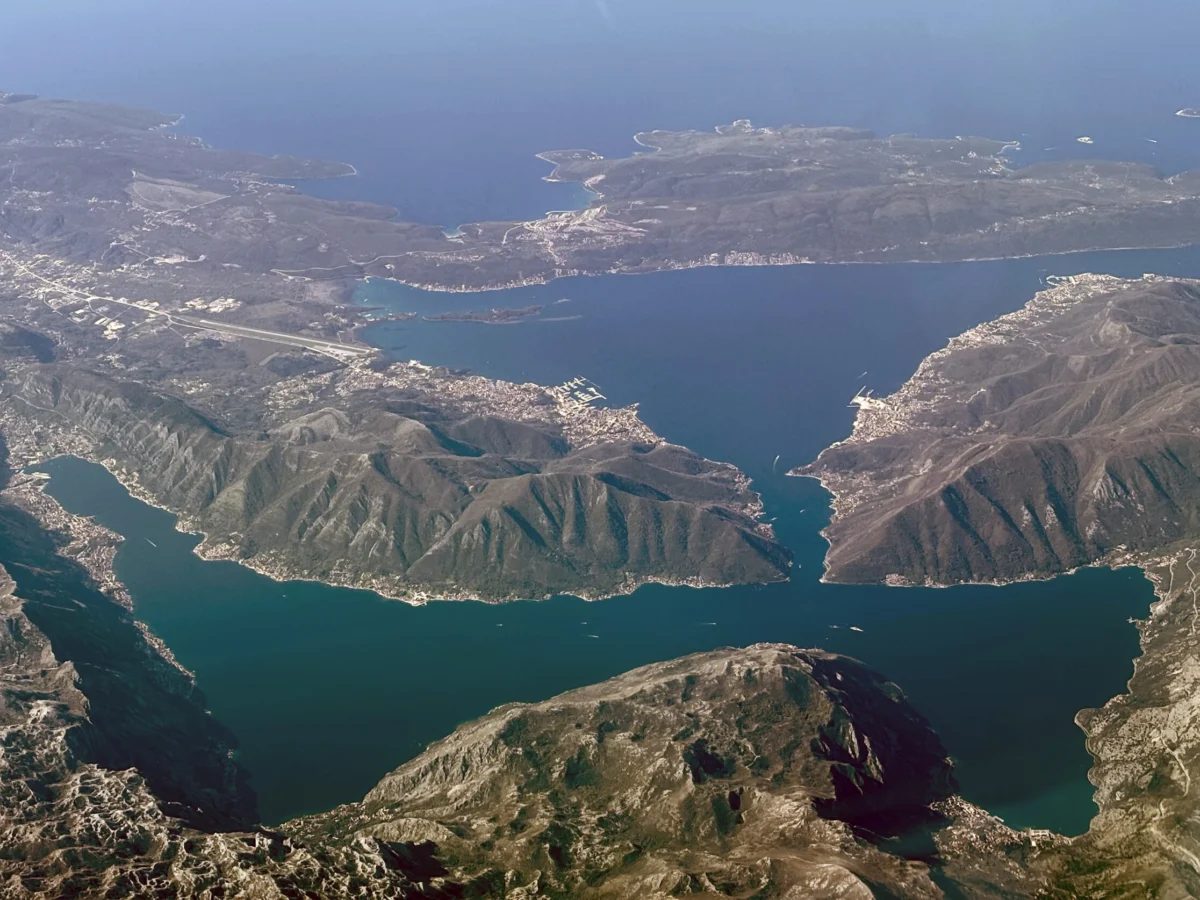
Bay of Kotor
Bay of Kotor is a dramatic coastal landscape in Montenegro, where steep limestone mountains descend towards a series of deep, sheltered basins on the Adriatic. The area combines medieval stone towns, maritime heritage, island churches and scenic waterfront villages, making it a strong choice for cultural escorted tours, coastal holidays, self-drive programmes, small-group journeys and multi-country Balkan itineraries. Kotor itself stands at the innermost end of the bay, while Perast, Tivat and Herceg Novi provide contrasting stops around the wider coastline.
The centrepiece is Kotor’s fortified Old Town, a compact maze of stone lanes, squares, churches, palaces and former merchants’ houses. Visitors can explore the Maritime Museum, St Tryphon’s Cathedral and the city walls before climbing towards San Giovanni Fortress for wide views over the rooftops and water. The climb is steep, exposed and physically demanding, so guides should allow sufficient time and recommend suitable footwear, water and sun protection. Many travellers consider the panorama worth the effort, although it is not suitable for every client.
Bay of Kotor towns and boat experiences
Perast is an essential complement to Kotor. Its elegant waterfront, historic residences and small offshore churches create a quieter setting, while a short boat trip can reach Our Lady of the Rocks, or Gospa od Škrpjela. Boat excursions may also include the Blue Cave, submarine tunnels and other coastal viewpoints. The official destination information on the Bay of Kotor highlights the area’s boat experiences, festivals, outdoor activities and seafood traditions.
Boat-tour standards vary, however. Travel planners should confirm vessel size, route, timing, included stops, weather conditions and arrangements for groups before contracting. A carefully paced private or small-group boat experience can be more comfortable than an overcrowded departure, particularly in July and August. Visitors often recommend early morning, late afternoon or an overnight stay, when the main sights usually feel calmer than during peak cruise hours.
Bay of Kotor heritage and landscape
The cultural landscape is recognised as the Natural and Culturo-Historical Region of Kotor, a UNESCO World Heritage site. Its significance comes from the relationship between natural setting, historic settlements, fortifications, churches and maritime trade. Roman, Byzantine, Venetian, Austro-Hungarian and Yugoslav layers can all be discussed through the region’s architecture and museums, without reducing its history to a single period. Kotor’s maritime identity remains particularly useful for themed tours, while religious programmes can include Catholic and Orthodox heritage around the bay.
The bay also works well as a scenic base for active programmes. Options include walking the old city walls, hiking in the surrounding mountains, kayaking, stand-up paddleboarding, swimming and boat-based sightseeing. The cable car towards Lovćen offers another way to connect the coast with mountain scenery, subject to operating conditions and weather. Summer heat, occasional strong winds and sudden weather changes should be considered when scheduling outdoor activities.
Planning itineraries around the Bay of Kotor
Most cultural programmes need at least two nights to cover Kotor, Perast and a boat experience without rushing. Three nights allow time for Lovćen, Herceg Novi, Tivat, a longer activity or a relaxed coastal day. Kotor is approximately 15–30 minutes from Tivat Airport, depending on traffic and the exact route; Herceg Novi is roughly 1 hour 30 minutes to 2 hours away. Driving times around the bay can be much slower in high season because of narrow roads, congestion, limited parking and coach restrictions in busy areas.
The port beside the Old Town receives cruise traffic, which creates opportunities for well-timed shore excursions but also brings sharp peaks in visitor numbers. Cruise groups benefit from pre-arranged coach access, timed guiding, efficient walking routes and a clear return plan. For wider touring, the bay combines naturally with Dubrovnik, Budva, Durmitor National Park, Mostar or Albania. RakiYa Travel can coordinate accommodation, private vehicles, group coaches, professional guides, boat activities, restaurant reservations and ground handling in Montenegro, while also supporting multi-country Balkan programmes through one regional DMC partner.
Road planners should also check the seasonal Kamenari–Lepetane ferry timetable when routing between the two sides of the bay. The crossing can help avoid a longer drive, but schedules and operating arrangements may vary.
Best time to visit and practical advice
May, June, September and early October generally suit cultural touring, walking and sightseeing, with milder conditions than the height of summer. July and August are appropriate for swimming and coastal holidays but bring stronger demand, hotter weather, cruise crowds and slower road journeys. Spring and autumn can offer a calmer atmosphere, although boat operations, cable-car schedules, the Kamenari–Lepetane ferry and some seasonal businesses may be reduced or weather-dependent. Winter visits are possible for heritage and local-life programmes, but shorter daylight hours, rain and occasional road disruption require a flexible plan.
Visitors often value the combination of dramatic mountain scenery, deep blue water and medieval stone towns, yet the experience improves when the itinerary moves beyond Kotor’s compact Old Town. A balanced programme might pair a guided heritage visit with Perast, a confirmed boat excursion, a local seafood meal and time in a quieter waterfront settlement. This approach gives international tour operators practical variety while retaining the distinctive character of Montenegro’s most recognisable coastal region.
| Visa requirements | Bay of Kotor is in Montenegro, so entry requirements are Montenegro’s national requirements. Visa rules depend on the traveller’s nationality, passport type, purpose and length of stay. Many European and other nationalities can enter visa-free for short visits, commonly for up to 90 days within a 180-day period, but exemptions and permitted documents vary. Travellers should hold a valid passport or accepted travel document and check its remaining validity before departure. Montenegro may require visitors to register their stay with accommodation providers or the local authorities; hotels normally handle this for their guests, while private accommodation arrangements should be confirmed locally. Travel agencies should verify current requirements with the relevant Montenegrin authorities before issuing travel documents. Group organisers should also check border procedures when combining Montenegro with Croatia, Bosnia and Herzegovina, Albania or other Balkan countries, as requirements can differ by nationality and may change. |
|---|---|
| Languages spoken | Montenegrin is the official language; Serbian, Bosnian and Croatian are also widely understood, while English is common in tourism. |
| Currency used | Euro (EUR). |
| Area (km2) | Approximately 87 km² of water; figures vary according to how the bay is defined. |
| Country name | Montenegro |