
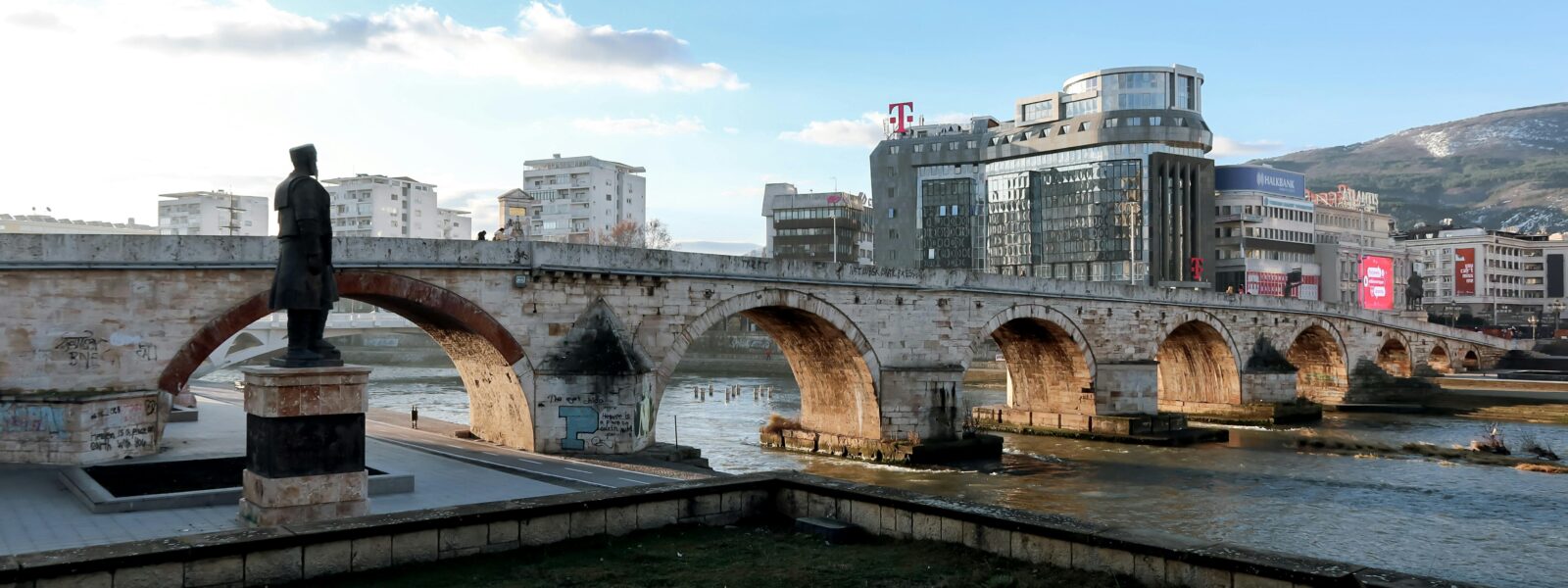
Why should international travel agencies include North Macedonia in their 2027 travel portfolio? North Macedonia combines UNESCO-recognised natural and cultural heritage, historic cities, mountain landscapes, traditional gastronomy, wine tourism and opportunities for multi-country Balkan itineraries. Its two international airports, relatively compact geography and distinctive cultural identity make it suitable for escorted groups, FIT, tailor-made holidays, active travel, religious tourism and selected MICE programmes.
Unlike Mediterranean destinations primarily associated with coastal holidays, North Macedonia offers a combination of lakes, mountains, historic towns, Ottoman-era architecture and Orthodox Christian heritage.
The country can be explored independently or incorporated into wider journeys through Albania, Kosovo, Montenegro and Greece.
RakiYa Travel, an Albania-based B2B Destination Management Company working with international tour operators and travel agencies, examines the country’s latest tourism developments and the opportunities for creating distinctive travel products in 2027.
1. North Macedonia Tourism in 2027: What the Latest Statistics Tell Us
North Macedonia’s tourism sector continued to develop during 2025 and 2026, with increasing international arrivals and improvements in air connectivity.
According to the State Statistical Office of North Macedonia, the country recorded 1,336,597 tourist arrivals in registered accommodation during 2025, an increase of 6% compared with 2024.
International tourist arrivals increased by 10.3%, reaching approximately 916,000.
During January–August 2026, the country recorded 985,959 tourist arrivals and approximately 2.69 million overnight stays, representing year-on-year increases of 3.0% and 3.7% respectively.
Foreign tourist arrivals increased by 3.2% during the same eight-month period.
These figures represent registered tourism activity rather than all international border entries or unique visitors.
For the detailed statistics, consult the State Statistical Office’s August 2026 tourism report.
What Does This Mean for International Tour Operators?
North Macedonia has an established tourism market, but it remains less prominent in many international escorted-tour portfolios than some neighbouring European destinations.
This creates opportunities for agencies seeking differentiated cultural itineraries and regional Balkan products.
However, tourism growth alone should not be treated as proof of commercial demand in a particular source market.
Travel agencies should assess flight access, accommodation standards, customer interests, seasonality, pricing and local supplier capabilities before launching new programmes.
Government Tourism Priorities and Destination Development
North Macedonia’s public policy framework includes the development of active tourism, cultural heritage and broader destination competitiveness.
The Ministry of Culture and Tourism has published strategic planning documents covering 2026–2028, while the country’s economic authorities have maintained tourism development strategies addressing active travel.
These priorities are relevant for tour operators interested in diversifying beyond conventional city sightseeing and summer lakeside holidays.
Official strategic documents are available through the Ministry of Culture and Tourism and the Ministry of Economy and Labour.
Travel agencies should distinguish approved policies and existing tourism infrastructure from proposed developments that may not yet be operational.
2. What Makes North Macedonia Different from Other Balkan Destinations?
North Macedonia’s defining tourism advantage is the combination of natural and cultural experiences within a manageable geographical area.
The country offers several distinctive travel themes:
- UNESCO heritage: Lake Ohrid and the historic city of Ohrid.
- Ottoman and Byzantine history: Historic bazaars, religious buildings and traditional architecture.
- Religious heritage: Orthodox monasteries and Mother Teresa’s birthplace.
- Mountain experiences: Mavrovo, Pelister, Galicica and the Šar Mountains.
- Wine and gastronomy: Tikveš wine country, traditional restaurants and regional cuisine.
- Regional touring: Connections with Albania, Kosovo, Greece and other Balkan countries.
For tour operators, these themes can be combined into cultural journeys or developed as separate specialist programmes.
3. Ohrid: North Macedonia’s UNESCO Heritage Destination
Ohrid is one of North Macedonia’s strongest destinations for international cultural tourism.
Located beside Lake Ohrid, the city combines historic churches, traditional architecture, archaeological heritage and lakeside scenery.
The Natural and Cultural Heritage of the Ohrid Region is recognised by UNESCO for both exceptional natural characteristics and cultural significance.
Lake Ohrid is among Europe’s oldest lakes and supports numerous endemic species.
The World Heritage property was extended in 2019 to include the Albanian part of the lake, creating a shared heritage destination between North Macedonia and Albania.
What Should Cultural Groups Visit in Ohrid?
- Ohrid Old Town: Traditional architecture, narrow streets and historic viewpoints.
- Church of Saint Sophia: Significant Byzantine religious architecture and frescoes.
- Saint John at Kaneo: A landmark church overlooking the lake.
- Plaošnik: Archaeological and religious heritage associated with Saint Clement.
- Samuel’s Fortress: Medieval fortifications and panoramic views.
- Saint Naum Monastery: Religious heritage and scenic lakeside surroundings.
- Lake excursions: Boat trips and selected experiences around the lake.
Travel agencies can explore RakiYa Travel’s Ohrid destination guide for further inspiration.
How Many Nights Should Groups Spend in Ohrid?
For many escorted cultural circuits, two nights in Ohrid provide a practical balance between sightseeing and travel time.
This allows a guided visit to the historic centre and selected lakeside attractions.
Three nights may be appropriate for specialist cultural groups, slower-paced travellers, private FIT programmes or itineraries including boat excursions and outdoor activities.
However, the itinerary should not add nights simply to fill accommodation capacity. Each additional night should contribute meaningful experiences.
Protecting Ohrid’s Natural and Cultural Heritage
UNESCO has highlighted conservation challenges involving development pressures, environmental management and the protection of the wider lake region.
Responsible tourism programmes should therefore use suitable transport arrangements, respect protected areas and minimise unnecessary pressure on sensitive sites.
These considerations are particularly relevant for larger groups and activities around the lakeshore.
4. Skopje: A Cultural Capital and Practical Gateway
Skopje offers a different experience from Ohrid, combining Ottoman heritage, modern urban development, museums, gastronomy and nearby outdoor attractions.
The city is also a practical arrival and departure point for international group tours.
Recommended Cultural Highlights in Skopje
- Old Bazaar: Historic commercial streets, traditional crafts and Ottoman architecture.
- Stone Bridge: The city’s landmark crossing over the Vardar River.
- Kale Fortress: Historic fortifications overlooking the city.
- Mother Teresa Memorial House: A significant stop for specialist heritage and religious programmes.
- Debar Maalo: Restaurants and local dining experiences.
- Matka Canyon: Nature and outdoor excursions within reach of the capital.
Explore the Skopje destination guide by RakiYa Travel.
How Long Should Groups Stay in Skopje?
One night can work for regional cultural circuits, particularly when the programme includes a guided city tour and an onward journey.
Two nights provide more flexibility for museum visits, gastronomy, Matka Canyon or additional cultural experiences.
Skopje can also support city breaks and selected corporate event programmes.
5. Bitola, Heraclea Lyncestis and Pelister
Bitola offers opportunities to diversify North Macedonia itineraries beyond its two best-known cities.
The city is known for its historic architecture, Širok Sokak pedestrian street, traditional cafés and cultural connections with the Ottoman period.
Heraclea Lyncestis: Archaeological Heritage
Near Bitola, Heraclea Lyncestis preserves archaeological remains associated with the ancient Macedonian and Roman periods.
The site is particularly interesting for educational groups and cultural itineraries focused on archaeology and ancient history.
Guided visits can be combined with Bitola’s historic centre and regional gastronomy.
Pelister National Park
Pelister provides a nature-based extension to a Bitola programme.
Its forest landscapes and mountain environment support selected hiking, photography and outdoor excursions.
Trail selection should reflect weather conditions, the group’s physical abilities and the availability of qualified local guides.
6. Mavrovo: Mountain Tourism and Authentic Rural Experiences
Mavrovo is one of North Macedonia’s most important mountain destinations.
The surrounding national park combines forests, alpine landscapes, mountain villages and the Mavrovo Lake area.
The destination is suitable for active groups, nature programmes and travel agencies seeking an alternative to conventional city-based touring.
Recommended Experiences in Mavrovo
- Guided hiking and mountain walks.
- Nature photography and forest excursions.
- Traditional villages and rural gastronomy.
- Mavrovo Lake viewpoints.
- Visits to Saint Jovan Bigorski Monastery.
- Selected winter sports, subject to snow and operating conditions.
Mavrovo works particularly well in combination with Ohrid, Bitola and western North Macedonia.
For travel agencies, it can provide a meaningful nature component within a wider cultural itinerary.
7. Wine Tourism and North Macedonian Gastronomy
North Macedonia has a distinctive wine and culinary identity that can add value to escorted group tours and tailor-made programmes.
The Tikveš region, including areas around Kavadarci and Negotino, is particularly associated with wine production.
Wineries can be incorporated into cultural journeys, specialist gastronomy programmes and selected corporate incentives.
Local cuisine includes dishes such as tavče gravče, ajvar, grilled meats, regional cheeses and traditional pastries.
Why Gastronomy Matters for B2B Travel
International tour operators can differentiate programmes by incorporating food experiences rather than relying exclusively on monuments and city tours.
Potential activities include:
- Wine tastings at suitable local wineries.
- Traditional meals in family-run restaurants.
- Regional food demonstrations.
- Market visits and culinary walks.
- Private dining for small groups or incentives.
Wine tastings, dietary arrangements and venue capacities should be verified with suppliers before confirming the programme.
8. How to Reach North Macedonia in 2027
North Macedonia is served by two international airports: Skopje International Airport and Ohrid St Paul the Apostle Airport.
For travel agencies, selecting the correct gateway can significantly improve itinerary routing and reduce unnecessary road transfers.
Skopje International Airport: The Principal Gateway
Skopje International Airport (SKP) is the country’s main aviation gateway and a practical choice for nationwide cultural circuits, business travel and multi-country itineraries.
During 2026, the airport’s network expanded with additional international services.
New or returning destinations announced for the 2026 schedule included Naples, Budapest, Palermo and Alghero, alongside other European connections.
TAV Macedonia reported that the summer 2026 schedule included 54 regular destinations and additional charter services from Skopje.
See the official TAV Macedonia 2026 route announcement.
Best suited for: Skopje, Matka Canyon, cultural circuits, MICE, wine tourism and regional programmes involving Kosovo.
All 2027 routes and operating dates should be checked before finalising departure calendars.
Ohrid Airport: Direct Access to the Lake Region
Ohrid St Paul the Apostle Airport (OHD) is particularly useful for itineraries focused on Ohrid, Struga, Lake Ohrid and western North Macedonia.
During 2026, the airport’s network expanded with announced connections involving Milan Malpensa, Vienna, Bratislava, Wroclaw and Katowice.
Some services are seasonal, and their continuation into 2027 should not be assumed without published schedules.
For Italian tour operators, the Milan–Ohrid connection is particularly relevant when available, as it offers a potential direct route into the country’s principal UNESCO destination.
See the official announcement of new Skopje and Ohrid air connections.
Best suited for: Ohrid, Struga, lakeside holidays, western North Macedonia and selected combined Albania–North Macedonia tours.
Can Travellers Enter North Macedonia Through Tirana Airport?
Yes. Tirana International Airport in Albania can be a useful gateway for itineraries connecting Albania with western North Macedonia.
A practical route may combine Tirana, Elbasan, Pogradec, Ohrid and Skopje.
This allows agencies to introduce the Albanian side of Lake Ohrid and the shared UNESCO landscape before continuing into North Macedonia.
Travel agencies should check border-entry requirements and allocate sufficient time for road transfers.
Are There Ferry Services to North Macedonia?
North Macedonia is landlocked and does not have international sea-ferry services.
International tour operators can instead use airports or road access through neighbouring countries.
For Italian agencies developing longer Balkan programmes, an alternative is to enter Albania by ferry through Durrës and continue overland into North Macedonia.
However, this is most appropriate for multi-country touring or self-drive programmes rather than a short standalone North Macedonia holiday.
9. North Macedonia for Escorted Cultural Group Tours
North Macedonia is suitable for cultural circuits combining its principal heritage destinations without requiring an excessively long programme.
For many first-time groups, a five- to seven-day itinerary provides a useful introduction.
Suggested 6-Day North Macedonia Cultural Itinerary
- Day 1: Arrival in Skopje, transfer to the hotel and introductory city experience. Overnight in Skopje.
- Day 2: Guided Skopje sightseeing and an optional excursion to Matka Canyon. Overnight in Skopje.
- Day 3: Travel towards Mavrovo, with scenic and cultural stops. Continue to Ohrid. Overnight in Ohrid.
- Day 4: Full-day Ohrid cultural programme, including the historic centre and selected churches. Overnight in Ohrid.
- Day 5: Excursion to Bitola and Heraclea Lyncestis, with suitable routing and travel buffers. Overnight in Ohrid or Bitola.
- Day 6: Departure through Ohrid or Skopje Airport, depending on the final overnight location and flight schedule.
This is an indicative planning framework. Airport choice, group interests and realistic driving times should determine the final route.
For larger groups, accommodation capacity, coach access and sightseeing duration must be confirmed in advance.
10. North Macedonia for FIT and Tailor-Made Travel
North Macedonia also offers opportunities for private and tailor-made itineraries.
Couples, families and small groups can combine boutique accommodation, private guiding, rural experiences, wineries and scenic lakeside stays.
A flexible FIT programme may focus on Ohrid and Skopje or include extensions to Mavrovo, Bitola and the Tikveš wine region.
Fly-and-drive holidays are another possibility, although road conditions, mountain routes, border rules and vehicle insurance should be checked before booking.
For travel agencies, a reliable local itinerary and carefully selected suppliers help deliver a more consistent guest experience.
11. Religious Heritage and Mother Teresa Tourism
North Macedonia has particular significance for religious and cultural travel because of Skopje’s connection with Saint Mother Teresa and Ohrid’s Christian heritage.
Mother Teresa was born Gonxhe Bojaxhiu in Skopje in 1910 to an Albanian Catholic family.
Her early life and spiritual legacy can be explored through itineraries connecting North Macedonia with Kosovo and Albania.
RakiYa Travel’s GONXHE: The Untold Story of Mother Teresa is a seven-day Signature Journey through the three countries.
The programme combines cultural history, Catholic heritage and the locations associated with her early life and vocation.
Ohrid also offers significant Orthodox Christian heritage through its historic churches, monasteries and religious art.
Travel agencies developing religious and pilgrimage programmes can consult RakiYa’s Balkans Pilgrimage Tours and Religious Heritage Guide.
12. North Macedonia for MICE and Corporate Incentive Travel
North Macedonia offers opportunities for meetings, corporate retreats, incentive travel and smaller specialist events.
Skopje is a practical location for city-based meetings and conferences, while Ohrid provides an attractive lakeside setting for corporate retreats and incentive programmes.
For MICE organisers, the destination can combine business activities with cultural experiences, gastronomy, lake excursions and nature-based team building.
Potential Corporate Experiences
- Meeting programmes in selected Skopje hotels.
- Lakeside corporate retreats in Ohrid.
- Private wine experiences in the Tikveš region.
- Team-building excursions to Matka Canyon.
- Cultural and culinary activities in historic districts.
- Nature-oriented corporate programmes in Mavrovo.
North Macedonia should not be presented as suitable for every conference size without verifying actual venue capabilities.
Event planners should assess delegate capacity, audiovisual equipment, accommodation availability, airport connections and suitable transport arrangements.
RakiYa Travel develops B2B destination programmes and can assist international agencies with the coordination of selected MICE and incentive travel services.
13. North Macedonia as Part of a Multi-Country Balkan Tour
One of North Macedonia’s strongest advantages for international tour operators is its ability to connect with neighbouring Balkan destinations.
North Macedonia and Albania
The Lake Ohrid region provides a natural cross-border link between the two countries.
A cultural programme can connect Tirana, Elbasan, Pogradec, Ohrid, Bitola and Skopje.
This route combines Albanian cultural experiences with the shared UNESCO heritage of Lake Ohrid.
North Macedonia and Kosovo
Skopje and Pristina can be combined in a regional journey that also includes Prizren.
The short geographical distance between the capitals makes this pairing particularly useful for certain cultural itineraries.
RakiYa Travel’s Essence of Kosovo & Skopje provides an example of this regional combination.
North Macedonia and Montenegro
A programme combining North Macedonia and Montenegro can offer a contrast between lakeside and mountain heritage in North Macedonia and Adriatic coastal culture in Montenegro.
However, this combination usually requires travel through additional countries and significant driving time.
It is more suitable for longer itineraries than short breaks, with realistic overnight stops and border allowances.
Four-Country Western Balkan Programmes
For broader cultural itineraries, North Macedonia can form part of a route connecting Montenegro, Albania, Kosovo and North Macedonia.
RakiYa Travel’s Discover the Balkans in 7 Days illustrates one approach to combining these destinations.
Agencies should carefully assess pacing, because an itinerary covering four countries within seven days involves considerable movement.
14. Best Time to Visit North Macedonia in 2027
North Macedonia offers different travel opportunities throughout the year.
| Season | Recommended Travel Products | Planning Considerations |
|---|---|---|
| March–May | Cultural circuits, city breaks, religious heritage, gastronomy and selected MICE | Variable weather and possible snow at higher elevations |
| June | Lake Ohrid, cultural groups, nature and outdoor programmes | Growing summer demand and changing mountain conditions |
| July–August | Lakeside holidays, outdoor travel, cultural programmes and summer events | Higher demand in Ohrid, warmer temperatures and busy waterfront areas |
| September–October | Cultural groups, wine tourism, hiking, FIT and corporate retreats | Autumn weather and seasonal service availability |
| November–February | City breaks, specialist cultural tours, selected MICE and winter activities | Reduced seasonal flights and variable mountain conditions |
Spring and early autumn can be particularly attractive for escorted cultural groups, while summer is well suited to Ohrid and lakeside programmes.
Wine-related experiences may be especially interesting in the autumn, subject to winery schedules and harvest activities.
15. Is North Macedonia Good Value for Travel Agencies?
North Macedonia can offer attractive opportunities for cultural and specialist travel, but it should not be marketed exclusively as a low-cost destination.
Accommodation, guiding, transport and activity prices vary according to location, service standards and travel season.
For travel agencies, the commercial assessment should include:
- Hotel availability and room allocation.
- Group transport and driving distances.
- Local guiding capabilities and language requirements.
- Attraction entrance fees and operating hours.
- Food and experience quality.
- Seasonal variations in pricing.
- Clear payment and cancellation conditions.
- Local supplier reliability and operational support.
Well-designed programmes should compete on destination diversity, authentic experiences and dependable service rather than price alone.
16. Operational Challenges Travel Agencies Should Consider
Seasonal Flights and Airport Selection
Ohrid Airport has a more seasonal network than Skopje. Flight schedules should be confirmed before establishing departure dates.
Open-jaw itineraries arriving through one airport and departing through another may reduce unnecessary driving.
Ohrid Summer Demand
Summer demand can affect accommodation prices, restaurant availability and sightseeing conditions around Ohrid.
For larger groups, early supplier coordination is important.
Historic Centre Access
Ohrid’s historic streets and parts of Skopje’s Old Bazaar may present pedestrian access challenges.
Coach parking, luggage handling and walking distances should be reviewed during programme design.
Mountain Travel and Weather
Mavrovo, Galicica and other mountain regions require attention to weather, road conditions, appropriate guiding and traveller fitness.
Cross-Border Documents
Travel agencies should confirm passport and visa requirements for each nationality and every country included in the itinerary.
North Macedonia is not a member of the Schengen Area, so operators should not assume that Schengen travel arrangements automatically cover all travellers.
Official information is available through the Ministry of Foreign Affairs and Foreign Trade.
Heritage and Environmental Protection
Ohrid’s recognised natural and cultural heritage requires responsible visitor management.
Tour operators should respect protected areas, local communities and site-specific conservation rules.
17. How RakiYa Travel Supports North Macedonia Programmes
For international agencies, successful North Macedonia programmes require appropriate destination knowledge, reliable supplier coordination and realistic itinerary development.
RakiYa Travel works exclusively with international travel agencies and tour operators, developing B2B programmes across Albania and selected neighbouring Balkan destinations, including North Macedonia.
Services can include:
- Cultural and escorted group tours.
- Private FIT and tailor-made itineraries.
- Accommodation and supplier coordination.
- Ground transport and airport transfers.
- Local cultural and specialist guiding.
- Hiking, nature and active travel arrangements.
- Religious and thematic journeys.
- Corporate retreats and incentive travel concepts.
- Multi-country Balkan itinerary development.
- On-the-ground operational assistance.
Explore RakiYa Travel’s Balkan tour portfolio for programme inspiration.
Frequently Asked Questions About North Macedonia Travel in 2027
Why Should Tour Operators Include North Macedonia in Their 2027 Portfolio?
North Macedonia combines UNESCO-listed heritage, historic cities, mountains, gastronomy, religious sites and regional touring opportunities. It supports escorted groups, FIT, specialist cultural programmes, active travel and selected corporate incentives.
Which Airport Is Best for North Macedonia?
Skopje International Airport is the main gateway for nationwide cultural programmes. Ohrid Airport is particularly convenient for Lake Ohrid and western North Macedonia, where suitable flights are available.
Can Italian Tour Operators Fly Directly to North Macedonia?
Yes, depending on the route and travel dates. Services involving Naples, Milan, Palermo and Alghero were included in 2026 announcements. Airlines and operating schedules must be confirmed for the 2027 season.
Can Travellers Enter North Macedonia Through Albania?
Yes. Tirana International Airport can be used for itineraries connecting Albania with western North Macedonia, particularly the Lake Ohrid region.
How Many Days Are Needed for a North Macedonia Group Tour?
Five to seven days can provide an introduction to Skopje, Ohrid and selected destinations such as Mavrovo or Bitola. Longer itineraries may include wine regions, additional nature experiences or neighbouring countries.
What Is the Best Time to Visit North Macedonia?
Spring and autumn are attractive for cultural touring. Summer is suitable for Ohrid and lake-based holidays, while outdoor and winter programmes depend on seasonal conditions.
Is North Macedonia Suitable for Hiking and Nature Tours?
Yes. Mavrovo, Galicica, Pelister and the Šar Mountains offer opportunities for nature excursions, hiking and active travel. Activities should be matched to group fitness and current conditions.
Is Ohrid a UNESCO World Heritage Site?
Yes. The Natural and Cultural Heritage of the Ohrid Region is recognised by UNESCO. The World Heritage property includes both North Macedonian and Albanian areas around Lake Ohrid.
Can North Macedonia Be Combined with Albania, Kosovo and Montenegro?
Yes. North Macedonia can be included in multi-country Western Balkan itineraries. Longer routes should account for driving times, border crossings and appropriate overnight stops.
Is North Macedonia Suitable for MICE and Corporate Incentives?
Yes. Skopje offers business and meeting facilities, while Ohrid and selected nature destinations can support corporate retreats and incentive experiences. Venue capacities and services should be verified for each event.
Does RakiYa Travel Organise North Macedonia Tours?
RakiYa Travel develops North Macedonia and wider Balkan itineraries for international tour operators and travel agencies, including cultural groups, private travel, religious journeys and selected specialist programmes.
Final Thoughts: North Macedonia’s Opportunity for 2027
North Macedonia offers international travel agencies an opportunity to introduce a destination that combines cultural depth, historic cities, exceptional natural heritage and distinctive regional experiences.
Ohrid provides a strong UNESCO and lakeside tourism product, while Skopje offers an accessible cultural capital and international gateway.
Mavrovo, Bitola, Pelister and the Tikveš wine region create additional opportunities to expand beyond conventional sightseeing circuits.
The country’s position within the Western Balkans also makes it valuable for multi-country itineraries connecting Albania, Kosovo and Montenegro.
For tour operators, the strongest commercial opportunity lies in creating well-paced, differentiated programmes supported by reliable local arrangements.
Develop Your North Macedonia 2027 Portfolio with RakiYa Travel
RakiYa Travel supports international tour operators and travel agencies developing programmes in North Macedonia and the wider Western Balkans.
Whether your agency is planning escorted cultural groups, private FIT itineraries, religious heritage journeys, nature experiences or corporate incentives, our team can coordinate suitable local services.
Explore our specialist regional products:
- GONXHE: The Untold Story of Mother Teresa
- Essence of Kosovo & Skopje
- Discover the Balkans in 7 Days
- Explore All RakiYa Travel Programmes
Visit RakiYa Travel to discuss a customised North Macedonia or multi-country Balkan itinerary for your agency.
RakiYa Travel — Where Business Meets the Balkans.
Editorial note: Tourism data, aviation developments and policy references reflect information available as of 1 November 2026. Figures represent registered tourist arrivals and overnight stays, not guaranteed future demand. Airline routes, visas, accommodation, border rules and attraction access should be reconfirmed before confirming 2027 programmes.