Balkans travel destinations 2027 offer international tour operators, FIT specialists, group organisers and MICE planners a broad product range within a relatively compact region. Roman and Byzantine heritage, Ottoman bazaars, Adriatic towns, mountain landscapes, lakes, wine regions and distinctive food traditions can be combined in one commercially coherent programme.
For travel professionals, the opportunity lies in choosing the right combination rather than trying to cover every country in one trip. RakiYa Travel provides destination management, accommodation coordination, transport, professional guiding, activities, group operations and event logistics across Albania and its regional operating destinations, helping partners build tailor-made programmes through one B2B contact.
How to compare the Balkans for 2027 programmes
The region suits several travel styles. Albania and Montenegro work particularly well for coast-and-culture programmes. Kosovo and North Macedonia add Ottoman, Orthodox and contemporary Balkan perspectives, while Bosnia and Herzegovina is strong for layered history, gastronomy and religious heritage. Serbia offers city, wine and river experiences; Croatia adds established Adriatic culture and nature products, particularly around Dubrovnik; Corfu and Northern Greece bring Greek, Byzantine and culinary depth to selected regional combinations.
| Destination | Recommended duration | Strongest product angles | Best seasons |
|---|---|---|---|
| Albania | 7–12 days | UNESCO heritage, Riviera, mountains, food and history | April–June, September–October; July–August for beach programmes |
| Kosovo | 3–5 days | Prizren, monasteries, mountains, food and living culture | May–October; winter for snow-based programmes |
| Montenegro | 4–7 days | Bay of Kotor, Durmitor, coast, adventure and incentives | May–June, September–October; July–August for coastal travel |
| North Macedonia | 3–6 days | Lake Ohrid, Skopje, monasteries, wine and nature | April–June, September–October |
| Bosnia and Herzegovina | 5–8 days | Sarajevo, Mostar, Ottoman heritage, remembrance and food | April–June, September–October |
| Serbia | 5–8 days | Belgrade, Novi Sad, monasteries, wine and gastronomy | April–June, September–October; December for city events |
| Croatia | 5–10 days | Dubrovnik, Split, islands, national parks and heritage | April–June, September–October |
| Slovenia | 4–7 days | Ljubljana, alpine scenery, caves, lakes and wine | May–October; December–March for winter products |
| Northern Greece | 4–8 days | Thessaloniki, monasteries, classical sites, food and wine | April–June, September–October |
These durations are planning guidelines, not fixed packages. Border procedures, mountain roads, ferry schedules, attraction opening periods and seasonal traffic can affect the final routing. Border-crossing processes and infrastructure continue to vary across the Western Balkans, so a realistic itinerary should protect time for comfort stops, border crossings and guided visits.
Travellers frequently report that driving times across the Balkans are longer than map distances suggest. They also often value the combination of landscapes, historic towns, local food and hospitality, but many find that seven or eight countries in two weeks leaves too little time for meaningful sightseeing. For product managers, two or three countries with a clear theme will usually create a stronger programme than a rushed regional checklist.
Albania: heritage, coast and mountain contrasts
Albania is well suited to cultural groups, private FIT journeys, active programmes and first-time Balkan itineraries. Berat and Gjirokastra provide Ottoman-era urban heritage, while Butrint connects Greek, Roman, Byzantine and Venetian history with the southern coast. These are among the Albanian heritage sites recorded on the UNESCO World Heritage List.
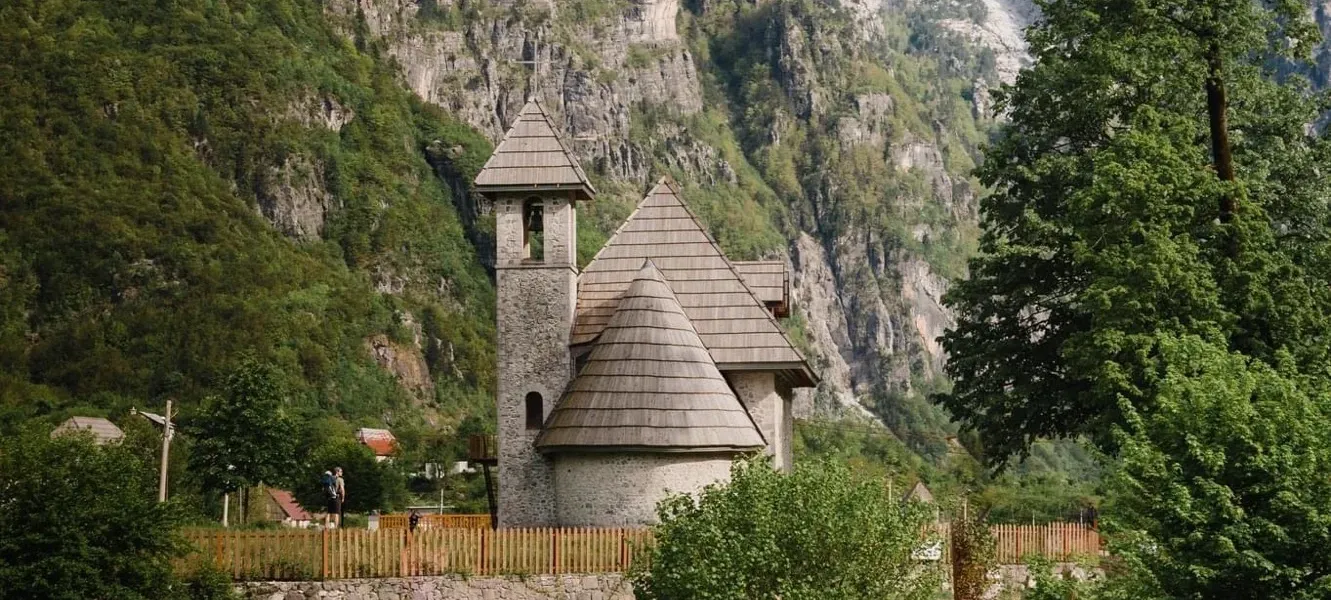
The Albanian Riviera adds beaches, coastal villages and scenic routes through the Llogara area. Northern Albania changes the product completely, with Shkodra, Komani Lake, Theth and Valbona offering mountain hospitality, hiking and rural gastronomy. Visitors often value family-run restaurants, local wine, raki and cooking experiences, particularly when groups move beyond the busiest waterfront venues.
Seven days can cover a focused cultural route, while 10–12 days allow a more balanced combination of Tirana, Berat, Gjirokastra, Butrint, the Riviera and the north. Spring and early autumn are generally practical for touring. July and August suit beach demand but bring heavier traffic and larger visitor numbers around popular coastal locations.
Kosovo: living culture, mountain scenery and religious heritage
Kosovo works well as a three- to five-day cultural extension or as part of a wider Albania, Montenegro and North Macedonia itinerary. Prizren combines Ottoman architecture, mosques, churches, cafés and a fortress above the town. Pristina offers a more contemporary perspective, with museums, cafés and a rapidly changing urban identity.
Religious heritage is an important part of the destination’s interpretation. Medieval Serbian Orthodox monasteries, including sites associated with UNESCO-listed heritage, require respectful guiding and careful programme planning. The Rugova Valley and surrounding mountains support hiking, scenic drives and outdoor extensions, while local food provides opportunities to introduce grilled specialities, breads, dairy products and regional hospitality.
May to October is the most straightforward period for general touring. Winter can support snow and mountain products, but road and weather conditions should be checked before confirming routes. Cross-border programmes need accurate passenger documentation and sufficient time at land borders.
Montenegro: the Adriatic and the high mountains
Montenegro combines a compact Adriatic coast with dramatic inland landscapes. Kotor and Perast provide fortified towns, maritime history and boat excursions in the Bay of Kotor. Budva adds a livelier coastal format, while the Durmitor region introduces hiking, rafting, canyoning, lakes and winter activities.
Montenegro’s five national parks provide a strong foundation for nature and soft-adventure programmes, including hiking, rafting, canyoning and skiing. Exact operation depends on weather, water levels, snow and local access, so activities should be checked before contracting.
Four to seven days can combine the bay, Budva and an inland mountain section. Coastal demand peaks in July and August, when Kotor and other popular stops may be affected by cruise arrivals, day visitors and traffic. Many travellers recommend early-morning or late-afternoon visits in high season. May, June, September and early October are often easier for escorted touring and active groups.

North Macedonia: Lake Ohrid, monasteries and food culture
North Macedonia is a strong choice for cultural circuits, lake-based programmes and slower regional travel. Ohrid combines lakeside scenery, historic churches, religious art and a compact old town. Skopje provides Ottoman-era market streets, modern city life and a useful gateway for regional touring, while Bitola adds elegant architecture, cafés and access to mountain landscapes.
The country also supports wine and gastronomy programmes. Tikveš is associated with North Macedonia’s wine production, while local menus introduce dishes such as tavče gravče, ajvar, fresh cheeses and grilled specialities. Mavrovo adds hiking, winter sports and rural culture, although mountain access and outdoor activities need seasonal confirmation.
A three-day programme can focus on Skopje and Ohrid; five to six days allow Bitola, Mavrovo or wine-country additions. Late spring and early autumn are particularly suitable for sightseeing. Lake Ohrid can be busy during summer, so groups benefit from pre-arranged visits and carefully timed meals and boat activities. Many travellers recommend allowing more than a short stop in Ohrid, especially when the programme includes the lake and surrounding heritage.
Bosnia and Herzegovina: layered history, rivers and gastronomy
Bosnia and Herzegovina offers one of the region’s richest combinations of Ottoman, Austro-Hungarian, religious and twentieth-century history. Sarajevo’s old bazaar, mosques, churches, synagogues and museums make it a valuable base for guided cultural interpretation. Mostar and the Old Bridge provide a natural focus for a Herzegovina route, with Blagaj, the Buna spring and local food adding depth.
Groups can also include Jajce, mountain landscapes, rivers, traditional cafés and regional specialities such as ćevapi, burek and slow-cooked dishes. Sensitive modern history requires careful framing, qualified local guides and enough time for questions. Travellers commonly find that local interpretation makes Sarajevo, Mostar and remembrance sites more meaningful and easier to understand.
Five to eight days allow a balanced itinerary. April to June and September to October are generally practical for city and countryside touring. Winter brings a different atmosphere and possible mountain products, but snow and road conditions may affect access and transfer times.
Serbia: urban energy, wine routes and heritage
Serbia is a useful destination for city breaks, cultural groups, food and wine programmes and longer Danube itineraries. Belgrade combines fortress history, river confluences, museums, nightlife and varied dining. Novi Sad and the Fruška Gora area provide a slower contrast, with historic streets, vineyards and monasteries. The national tourism organisation also highlights Serbia’s combination of cities, gastronomy, wine, fortresses and nature.
Beyond the main cities, Serbia offers medieval monasteries, Šumadija wine experiences, Zlatibor and Tara landscapes, and traditional food traditions. A five-day itinerary can focus on Belgrade, Novi Sad and nearby wine country. Seven or eight days allow mountain regions and further heritage stops.
Spring and early autumn suit touring, walking and wine visits. December can work for festive city programmes, but event calendars and hotel demand should be checked before contracting. Serbia can combine naturally with Bosnia and Herzegovina, Montenegro, North Macedonia, Croatia or Hungary-based routes.
Croatia: established Adriatic heritage and national parks
Croatia offers well-established cultural, coastal and nature products. Dubrovnik provides fortified heritage, maritime history and island excursions, while Split links Diocletian’s Palace with Dalmatian gastronomy and access to the islands. Plitvice Lakes and Krka add national-park experiences to an escorted or self-drive programme.
Five days can cover Dubrovnik and a focused southern route; seven to ten days allow Split, national parks and additional coastal stops. July and August bring strong demand, high temperatures and increased pressure on Dubrovnik, Split and popular parks. Spring and early autumn are often more comfortable for heritage touring, although ferry schedules, attraction capacities and seasonal services must be confirmed.
Croatia is particularly useful in combination with Montenegro and Bosnia and Herzegovina. A travel designer should avoid excessive one-night changes during the busiest months and should schedule famous old towns early or late in the day when possible. Dubrovnik is within RakiYa’s stated operating portfolio; other Croatian destinations should be confirmed for the specific programme before contracting.
Slovenia: alpine landscapes, caves and wine country
Slovenia adds a compact Central European dimension to Balkans travel destinations 2027. Ljubljana is a walkable base for city culture and gastronomy, while Lake Bled, the Julian Alps and the Karst region support scenic, active and nature-focused programmes. Caves, castles, vineyards and traditional cuisine broaden the offer beyond lake photography.
Four to seven days allow a well-paced circuit including Ljubljana, Bled and a selected combination of caves, wine country or the coast. May to October is generally suitable for touring and outdoor programmes. Winter can support Christmas markets, skiing and alpine experiences, but mountain weather and road conditions need close monitoring.
Slovenia works well at the beginning or end of a Croatia, northern Adriatic, Serbia or Austria-linked itinerary. It is included here as a wider regional option; confirm the responsible operating partner before presenting it as part of a RakiYa-managed programme.
Northern Greece: classical heritage, monasteries and gastronomy
Northern Greece brings classical, Byzantine and modern Greek culture into a wider Balkan programme. Thessaloniki combines Roman, Byzantine and Ottoman layers with a strong food scene and waterfront setting. Meteora offers monasteries, dramatic geology and religious heritage, while northern wine areas and regional villages support culinary and cultural touring. Northern Greece also combines naturally with Macedonia’s mountains, lakes and archaeological heritage.
A four-day programme can focus on Thessaloniki and Meteora. Six to eight days allow additional archaeological, religious or wine-country experiences, depending on the group’s interests. Spring and autumn are generally favourable for city sightseeing and inland touring; summer is workable but can be hot, particularly at exposed archaeological and monastery sites.
Northern Greece can combine with North Macedonia, Albania or Kosovo. Border sequencing, coach permissions, monastery visiting times and entry requirements should be confirmed well before departure. RakiYa’s stated Greek destination scope is Corfu, so a Northern Greece extension requires separate confirmation of the operating arrangements.
Practical logistics for multi-country Balkan itineraries
The strongest programmes usually limit the number of borders and give each destination a clear purpose. For example, Albania, Montenegro and Croatia create a coast-and-heritage route; Kosovo, North Macedonia and Albania suit Ottoman, religious and mountain themes; Bosnia and Herzegovina, Montenegro and Croatia combine history with Adriatic scenery; Serbia, Bosnia and Herzegovina and North Macedonia work well for inland culture and gastronomy.
- Transport: private vehicles, drivers and group coaches are often more practical than public transport for mountain areas, remote villages and cross-border touring.
- Driving times: winding roads, border queues, traffic and photo stops can make map distances misleading. Build realistic buffers into every transfer day.
- Accommodation: reserve group-friendly hotels and family-run properties early for July, August, major religious celebrations and city events.
- Guiding: local guides add value at layered historical sites, religious monuments and places connected with conflict or political change.
- Activities: hiking, rafting, boat trips, wine visits and outdoor experiences require seasonal confirmation and suitable contingency planning.
- Entry rules: visa and border requirements vary by nationality and route. For programmes involving EU destinations, re-check official EU information on the 90-days-in-180-days rule and any EES or ETIAS developments before confirming 2027 travel.
Public transport can work on selected routes, but travellers often report infrequent or unreliable cross-border services. Self-drive travel offers flexibility and access to smaller towns, yet mountain roads, parking and border formalities can make schedules slower than map estimates suggest. For groups, a pre-arranged vehicle and driver usually simplify operations.
RakiYa Travel can coordinate accommodation, transfers, coaches, guides, attraction tickets, restaurants, activities, group handling and MICE logistics across its operating destinations through a single B2B relationship. Programmes can be adapted to the source market, language, budget, group profile and preferred travel pace.
FAQs about Balkans travel destinations 2027
How many days are needed for a Balkans tour?
Seven to ten days is suitable for a focused combination of two or three countries. A broader route covering four or more destinations usually needs 12–16 days to avoid excessive time on the road.
Which Balkan countries combine most easily?
Albania, Montenegro and Croatia form a practical Adriatic combination. Albania, Kosovo and North Macedonia work well for cultural and mountain programmes, while Bosnia and Herzegovina can be added to Croatia or Montenegro for heritage-focused routes.
What is the best season for a multi-country Balkan tour?
May, June, September and early October generally offer a useful balance of sightseeing conditions and manageable demand. July and August are strongest for beach holidays but can bring heat, traffic and crowds.
Are the Balkans suitable for group tours?
Yes, provided the itinerary allows realistic transfer times and uses suitable accommodation, vehicles and guides. Smaller groups may access rural experiences more easily, while larger groups need earlier contracting and carefully planned restaurant and attraction visits.
Can the Balkans work for FIT and tailor-made travel?
Yes. Private drivers, selected accommodation, local guides, self-drive support and flexible activities allow programmes to be adapted for couples, families, special-interest travellers and small private groups.
What are the strongest cultural highlights?
Frequently requested highlights include Berat, Gjirokastra and Butrint in Albania; Kotor and Dubrovnik on the Adriatic; Ohrid; Sarajevo and Mostar; Prizren; Belgrade; Ljubljana; and Thessaloniki. The right selection depends on the itinerary theme and available time.
Is a private vehicle recommended?
For mountain regions, the Albanian Riviera, rural Kosovo, Durmitor and multi-country touring, a private vehicle or pre-arranged coach usually simplifies operations. Public transport may be usable on selected routes but can be slower and less convenient across borders.
Can the region support MICE and incentive programmes?
Yes. City hotels, coastal resorts, restaurants, outdoor activities, cultural venues and team-building experiences can support meetings, incentives, retreats and events. Programme design should prioritise transfer efficiency, venue capacity, weather contingencies and one-point coordination.
How far ahead should operators plan 2027 travel?
Start early for summer coastal programmes, major events, religious celebrations, national parks, popular old towns and larger groups. Early planning also allows time to confirm border routing, hotel contracting, activity availability and language-specific guiding.
Plan a 2027 Balkan programme with RakiYa Travel
RakiYa Travel is a licensed DMC with tour operator and travel agency licences and public liability insurance. As a local partner for tailor-made holidays, FIT, escorted groups, guaranteed departure programmes, cultural and adventure travel, corporate retreats and MICE, RakiYa combines authentic local knowledge with practical regional coordination across Albania and the wider destinations in its operating portfolio.
To send an enquiry or request more information about a 2027 programme, visit RakiYa Travel’s enquiry page or email info@rakiyatravel.com. Include your target market, dates, group profile and preferred destinations so the team can discuss suitable programme options.