

Slow travel in the Balkans and experiential tourism are becoming important product strategies for international tour operators planning 2027. Travellers increasingly want meaningful encounters, local food, cultural context and time to experience a destination rather than moving between highlights at speed. For Balkan programmes, this shift is especially relevant because mountain roads, border crossings, historic centres and regional transport can make overly ambitious itineraries tiring for clients and difficult to operate.
Slow travel does not mean removing every major attraction or creating a programme with no structure. It means choosing fewer bases, allowing more time in each place and designing activities around local life, landscape and culture. For a DMC, the commercial opportunity lies in turning that additional time into well-curated experiences, comfortable logistics and stronger product differentiation.
Why slow travel in the Balkans matters to tour operators
Recent industry research points to a movement towards experience-led travel. The Adventure Travel Trade Association’s 2025 research found that travellers prioritised new experiences, off-the-beaten-path destinations and travelling like a local. Culinary, cultural and active experiences were among the strong categories, while local suppliers accounted for a significant share of adventure-travel revenue.
Research on European travel also indicates growing interest in slower, more locally immersive journeys. The Montenegro Tourism Development Strategy identifies slow tourism as one response to mass tourism, with longer stays, gastronomy, authentic experiences and development beyond the coast among the relevant priorities. For tour operators, this reinforces the value of building products around interests rather than simply listing destinations.
Accommodation and transport alone are no longer sufficient product differentiators. The experience between arrival and departure matters more, particularly for clients comparing established European destinations with emerging or multi-country Balkan programmes.
The commercial case for experiential Balkan itineraries
A slower itinerary can create value in several ways. “Albania, Montenegro and Kosovo in seven days” is a geographical proposition. “Mountain hospitality, Ottoman heritage and family-led food experiences across three Balkan landscapes” is a more distinctive product concept.
Meaningful experiences can support higher-value packages when they are specific, well organised and difficult to replicate independently. A village cooking session, a guided visit with a local craftsperson, a private heritage interpretation or a carefully timed nature activity may add more perceived value than another brief photo stop. The aim is not to add expensive extras indiscriminately, but to use the itinerary’s time more intelligently.
- Product differentiation: thematic programmes are easier to position than standard city-to-city circuits.
- Customer satisfaction: fewer rushed transfers create more time for rest, discovery and informal interaction.
- Operational efficiency: fewer hotel changes simplify rooming lists, luggage movements, check-ins and supplier coordination.
- Local economic value: spending can reach guides, family-run restaurants, producers, artisans and community-based activities.
- Repeat and referral potential: clients are more likely to remember a distinctive encounter than a sequence of short visits.
Responsible tourism is part of this commercial logic, but it should be approached practically. Spreading visits beyond the busiest coastal hotspots, travelling in shoulder seasons and using local suppliers can reduce pressure while improving the guest experience. The ASCEND project illustrates how Albania and Montenegro are developing cross-border adventure products with local businesses, protected areas and lower-season travel in mind.
What slower Balkan travel looks like in practice
The Balkans reward careful pacing, but they also expose the weaknesses of unrealistic routing. Travellers often report that multi-country trips become tiring when they change base every one or two nights. Mountain routes, city traffic, border procedures and limited public-transport connections can make road journeys longer than a map suggests. A professional itinerary therefore needs realistic drive times, generous buffers and a clear decision about which destinations deserve an overnight stay.
In Albania, a slower cultural programme might use Tirana, Berat and Gjirokastër as meaningful bases rather than attempting to cover the entire country in a few days. Clients can combine historic neighbourhoods and castle visits with a farm-to-table lunch, a wine experience, a local cooking activity or an evening walk with a guide. The Albanian Riviera can then be added as a separate coastal section rather than treated as a hurried extension after long inland drives.
For Northern Albania, a programme based around Shkodër and the Albanian Alps allows more time for local hospitality, mountain walks and scenic routes. Theth and Valbona are not interchangeable quick stops: weather, road access, hiking ability and accommodation style all influence the right design. RakiYa’s Accursed Mountains planning guide explores the cross-border and seasonal considerations that adventure operators need to assess.
In Montenegro, Kotor and Perast can form the cultural centre of a Bay of Kotor programme, while Durmitor provides a contrasting mountain base. Rather than adding every coastal town, operators can build a route around maritime heritage, boat-based experiences, local gastronomy and a carefully selected nature extension. Kotor’s narrow streets and seasonal visitor peaks make timing important, particularly for groups arriving during the busiest summer and cruise periods.
North Macedonia offers a strong slow-travel combination through Skopje, Ohrid and selected rural or mountain areas. An overnight or extended stay in Ohrid allows clients to experience the lakeside setting, churches, local food and evening atmosphere without reducing the destination to a daytime excursion. Mavrovo or Bitola can add nature, food and heritage, depending on the market and season.
Designing immersive routes across the wider Balkans
Kosovo works well when positioned through living culture, Ottoman heritage, religious history and mountain landscapes rather than as a checklist of capital-city sights. Prizren can support a slower stay with guided walks, local food and time in its historic centre. For specialist programmes, Kosovo can connect with Albania and North Macedonia through cultural, religious or mountain themes, provided border timings and vehicle permissions are checked in advance.
Bosnia and Herzegovina offers several natural anchors for experiential touring. Sarajevo can combine Ottoman and Austro-Hungarian heritage with food, living history and mountain excursions. Mostar and Blagaj can be linked through the Neretva valley, but the itinerary benefits from allowing time to understand the region’s layered history rather than treating the Old Bridge as a short photo stop. Sensitive subjects, including the 1990s conflict, require trained guiding and respectful interpretation.
Community-led planning can also create alternatives to the busiest Adriatic routes. The European Commission’s example of Trebinje in Bosnia and Herzegovina shows how local participation can support heritage, lesser-visited areas and more balanced visitor flows.
Serbia can support city, food, river and cultural programmes centred on Belgrade and Novi Sad. A slower format might include a Danube experience, a food-focused evening, local wine or a heritage visit beyond the capital. Longer distances and border crossings should be factored into the programme instead of hidden within optimistic transfer times.
Croatia and Slovenia provide strong options for combining established attractions with a more measured pace. Dubrovnik, Split and Zagreb can anchor cultural circuits, while Plitvice Lakes or Krka National Park add nature. Coastal Croatia is often busier and more expensive in peak summer than inland destinations, so shoulder-season departures and carefully timed visits can improve both the client experience and the product economics. Slovenia can be paired with alpine landscapes, lakes, vineyards or the coast without requiring excessive daily driving.
Regional routes may also connect the Western Balkans with northern Greece, particularly through Thessaloniki, religious heritage, gastronomy and wider regional landscapes. Operators should confirm the exact border plan, vehicle arrangements, ferry schedules and accommodation pattern before presenting a multi-country route to clients. Bicycle-led models such as Trans Dinarica’s regional network also demonstrate how Slovenia, Croatia, Bosnia and Herzegovina, Montenegro, Albania, North Macedonia, Kosovo and Serbia can be connected through slower, community-based travel.
Build the itinerary around interests, not just places
Experience-led design starts with the client segment. A cultural group may value heritage interpretation, regional cuisine and conversations with local hosts. An active group may prefer hiking, kayaking, cycling or canyon experiences, with comfort-focused transfers between activity days. A senior group may want shorter walks, fewer hotel changes and more time in each historic centre. A corporate incentive programme needs a balance between local identity, team activities, meeting facilities and reliable group movement.
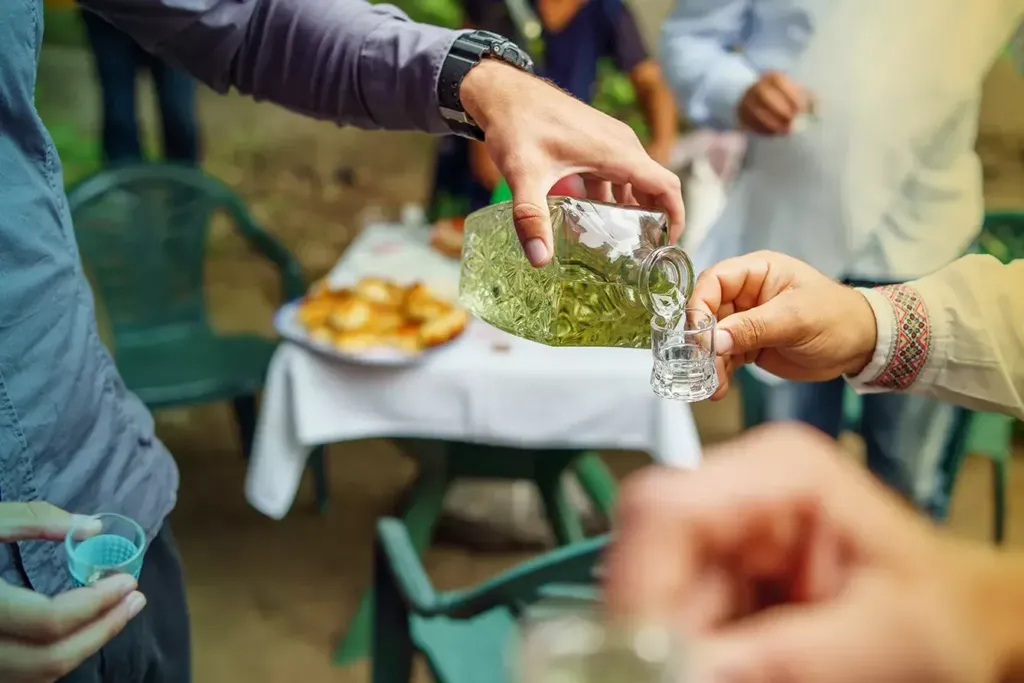
- Food and identity: cooking sessions, markets, farm visits, wine, raki, regional specialities and family-run dining.
- Living heritage: Ottoman, Venetian, Austro-Hungarian, Byzantine, Yugoslav and modern national histories presented through local guides and places.
- Mountain culture: village stays, guided walks, traditional hospitality and outdoor activities in the Albanian Alps, Durmitor, Mavrovo or the Šar Mountains.
- Faith and pilgrimage: monasteries, churches, mosques, cathedrals and religious communities connected through respectful interpretation.
- Coast and islands: Kotor Bay, the Albanian Riviera, Dubrovnik, Corfu and northern Greek destinations, with realistic seasonal planning.
- Modern Balkan life: cafés, markets, music, urban food culture and conversations that move beyond historic monuments.
Many travellers particularly value local food, cafés, family-run guesthouses and the warmth of residents. They also often describe mountain, lake, river and coastal scenery as more rewarding when the journey itself forms part of the experience rather than being treated only as a transfer.
Operational principles for comfortable slow travel
Slower travel is not automatically easier to operate. It still requires detailed ground handling, supplier selection and contingency planning. A DMC should assess the route at the level of actual movement: where coaches can stop, how luggage reaches smaller hotels, whether a historic centre is pedestrianised, how long a border crossing may take and whether an activity depends on weather or seasonal access.
- Limit hotel changes. Two or three nights in a base can create a better rhythm than a new hotel every evening.
- Protect free time. Do not fill every afternoon with another excursion. Unstructured time is part of the product.
- Use realistic transfer descriptions. Explain mountain roads, traffic, ferry connections and border procedures during quotation and pre-departure planning.
- Book specialist elements early. Small restaurants, local hosts, activity guides, heritage access and seasonal boats may have limited capacity.
- Offer alternatives. Build weather-friendly options for hiking, boating and outdoor visits, particularly in mountain and coastal areas.
- Plan dietary requirements. Meat, cheese and dairy feature heavily in parts of the region. Vegan, vegetarian and allergy-sensitive arrangements need advance confirmation outside larger cities.
- Match transport to the group. Self-drive, private vehicles and coaches each offer different levels of flexibility, comfort and cross-border complexity.
Travellers often report that buses are the practical backbone for cross-border journeys, but services can be slower and less predictable than map distances suggest. They also advise leaving flexibility for transport days, carrying cash and checking local station information. Border crossings, summer traffic and narrow coastal roads can turn short journeys into most of a day, particularly around Kotor, Dubrovnik and the Montenegro–Croatia border.
Walkable historic centres and mountain routes are highly rewarding, but heat, uphill access, uneven paths and long hiking days require realistic pacing. Many travellers recommend starting old-town visits and walks early, travelling outside peak summer or using nearby alternatives when destinations such as Kotor, Mostar and Dubrovnik become crowded.
Who should not be sold a slow-travel programme?
Slow travel is not the right answer for every customer. Some clients have limited annual leave and want to see as many headline destinations as possible. Others prefer resort time, nightlife, beach holidays or a tightly scheduled first visit. Families with young children may need shorter activity blocks, while some incentive groups require a high number of structured experiences within a fixed schedule.
The solution is segmentation rather than assuming that one pace suits everyone. Offer a classic highlights circuit alongside a slower cultural version. Present optional activities instead of forcing every traveller into the same programme. For FIT clients, provide a modular route with a choice of extra nights, guided experiences and independent time. For groups, explain the value of the slower format in the sales material so the itinerary attracts clients who will appreciate it.
How RakiYa supports experience-led Balkan programmes
RakiYa Travel is an Albania-based licensed DMC with tour operator and travel agency licences and public liability insurance. The company designs and coordinates tailor-made holidays, private and escorted groups, guaranteed departure programmes, active journeys, cultural tours, MICE programmes and multi-country itineraries across Albania, Montenegro, Kosovo, North Macedonia, Bosnia and Herzegovina, Serbia, Croatia, Slovenia, Corfu and Dubrovnik. Regional programmes can also be developed with northern Greece where the agreed itinerary and operating arrangements require it.
For international partners, the value of a regional DMC is not simply access to destinations. It is the ability to connect accommodation, professional guides, driver-guides, private vehicles, group coaches, activities, restaurants, attraction tickets and local hosts into one operational plan. RakiYa’s local knowledge helps partners decide where to slow down, which routes are realistic, which experiences need advance booking and how to adapt a programme to budget, language, group profile and travel style.
Examples could include a cultural route linking Tirana, Berat, Gjirokastër and the Riviera; an active programme across the Albanian Alps, Kosovo and Montenegro; a heritage itinerary connecting Sarajevo, Mostar, Kotor and Dubrovnik; or an eastern route through Ohrid, Skopje, Thessaloniki and selected northern Greek sites. Each requires different transport, guiding, border and seasonal decisions. The itinerary should be built around the client’s purpose first, with the geography supporting the story.
RakiYa also coordinates corporate retreats, incentive travel, team-building activities, event logistics and conference-related services. For MICE groups, experiential design can include local gastronomy, cultural venues, outdoor challenges and community-led activities, while the programme still needs dependable transfers, rooming coordination, timing control and suitable meeting arrangements.
Frequently asked questions about slow travel in the Balkans
What is slow travel?
Slow travel is an approach that prioritises fewer destinations, longer stays, local experiences and a more relaxed pace. It can include cultural, culinary, active, nature-based or community-focused activities, provided they give clients time to engage with a place rather than only pass through it.
Is slow travel more expensive than a standard group tour?
Not necessarily. Fewer hotel changes and more efficient routing can reduce some operational costs, while local experiences and specialist guiding may add value and expense. The final price depends on accommodation, group size, transport, inclusions, season and the level of access required.
How many nights should a slow Balkan itinerary include?
There is no universal number, but two or three nights in a base often creates a more comfortable rhythm than moving daily. The right duration depends on the route, travel time, border crossings, activity level and the client’s available holiday time.
Which destinations suit experiential Balkan tourism?
Albania, Montenegro, North Macedonia, Kosovo, Bosnia and Herzegovina, Serbia, Croatia, Slovenia, Corfu and northern Greece all offer suitable themes. The strongest choice depends on the market: food, heritage, hiking, religious travel, nature, coast, city culture or corporate incentives.
What should operators check before selling a multi-country slow-travel tour?
Check border requirements, vehicle permissions, road conditions, ferry schedules, seasonal attraction access, guide languages, activity availability, dietary arrangements and realistic transfer times. A local DMC can help coordinate these details before the programme is contracted.
Partner with RakiYa to design your next experiential Balkan tour
Slow travel gives tour operators a practical way to respond to changing demand while creating products with a stronger local identity. The commercial opportunity is not to make every itinerary longer, but to make each stop more meaningful, better paced and more carefully connected to the traveller’s interests.
For related planning, see RakiYa’s guides to multi-country Balkans group itineraries, Albania culinary tours and working with a regional Balkans tour operator. Travel professionals can contact RakiYa Travel by email to discuss a tailor-made programme, quotation or B2B partnership built around authentic experiences and reliable regional coordination.