
Kosovo travel portfolio planning is becoming more relevant for international tour operators, travel agencies, FIT specialists, cultural groups, adventure operators and MICE planners. The country combines a compact geographical scale with Ottoman-era towns, medieval Orthodox heritage, contemporary urban culture, traditional food and accessible mountain landscapes. It can work as a focused three- to five-day programme or as a practical extension to Albania, Montenegro and North Macedonia.
For travel professionals, Kosovo is not simply an additional stop between better-known destinations. Prizren can anchor a cultural city break, Peja and the Rugova region can support active programmes, while Prishtina adds contemporary culture, cafés, museums and business facilities. Gjakova, the Šar Mountains and rural communities broaden the product beyond the main city circuit.
Why Kosovo deserves a place in a 2027 travel portfolio
Kosovo’s main commercial advantage is variety within relatively short travelling distances. A programme can move from a historic urban centre to a mountain valley, a religious heritage site or a family-run restaurant without the long internal transfers required in larger European destinations. That makes Kosovo suitable for short breaks, escorted groups, private touring and regional extensions.
The country is also developing its tourism framework. The Kosovo Tourism Strategy 2024–2030 identifies international promotion, infrastructure, product development, service quality, workforce development and regulatory reform as current priorities. For B2B partners, this points to a destination still building its international distribution and product depth, while already offering a meaningful combination of cultural and outdoor experiences.
- Cultural depth: Ottoman bazaars, mosques, churches, monasteries, museums and living traditions.
- Compact routing: Prizren, Prishtina, Peja and Gjakova can be connected in a short programme, subject to traffic and road conditions.
- Outdoor potential: Rugova Canyon, the Šar Mountains, Brezovica and the wider Peja region support hiking, winter sports and adventure travel.
- Contemporary appeal: cafés, creative spaces, nightlife, festivals and a young urban culture give Kosovo relevance for younger FIT and group segments.
- Regional flexibility: Kosovo can be combined with Albania, North Macedonia and Montenegro through carefully planned border crossings and private transport.
Travellers often describe local people as welcoming and helpful, with English useful in urban areas. Visitors also regularly recommend local cafés and restaurants, particularly where residents themselves eat. These observations can help operators shape a product that feels connected to everyday life rather than limited to formal sightseeing.
Prizren: Kosovo’s strongest cultural entry point
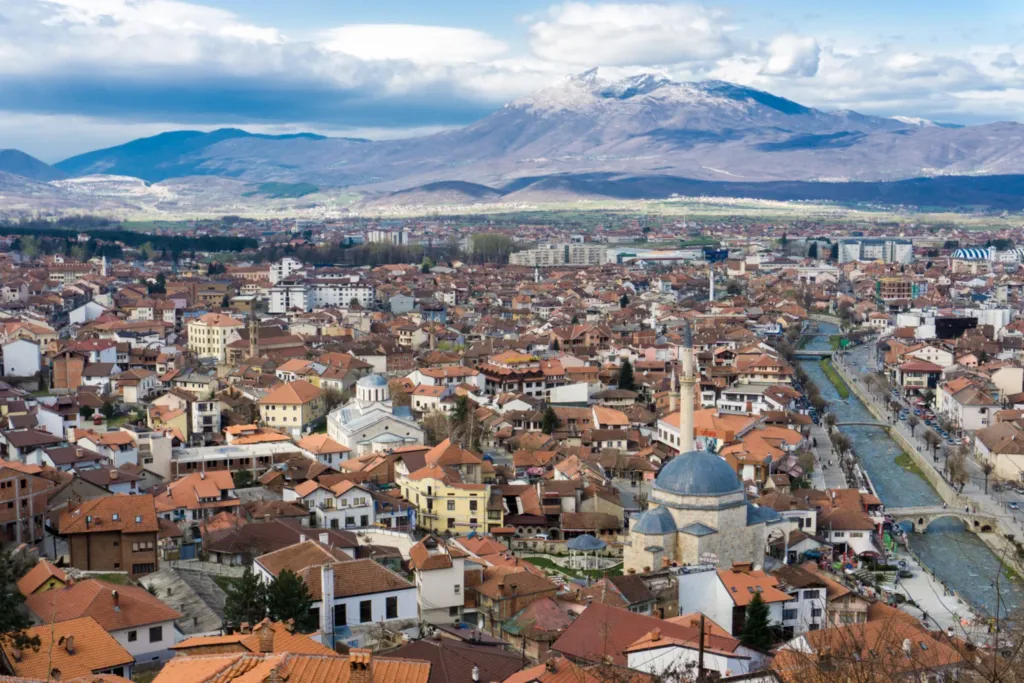
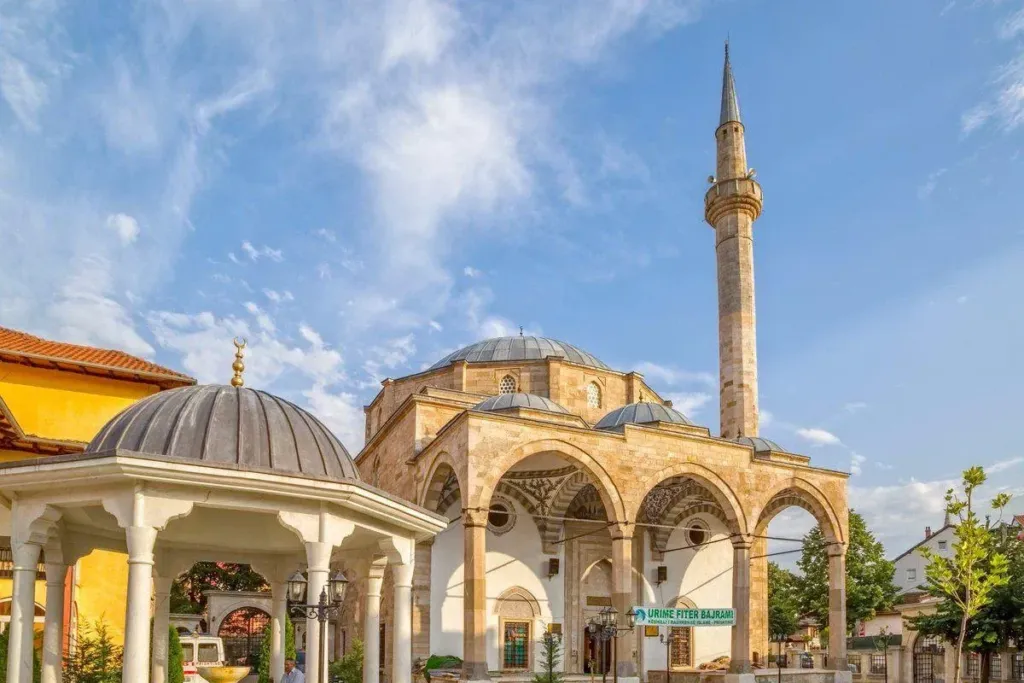
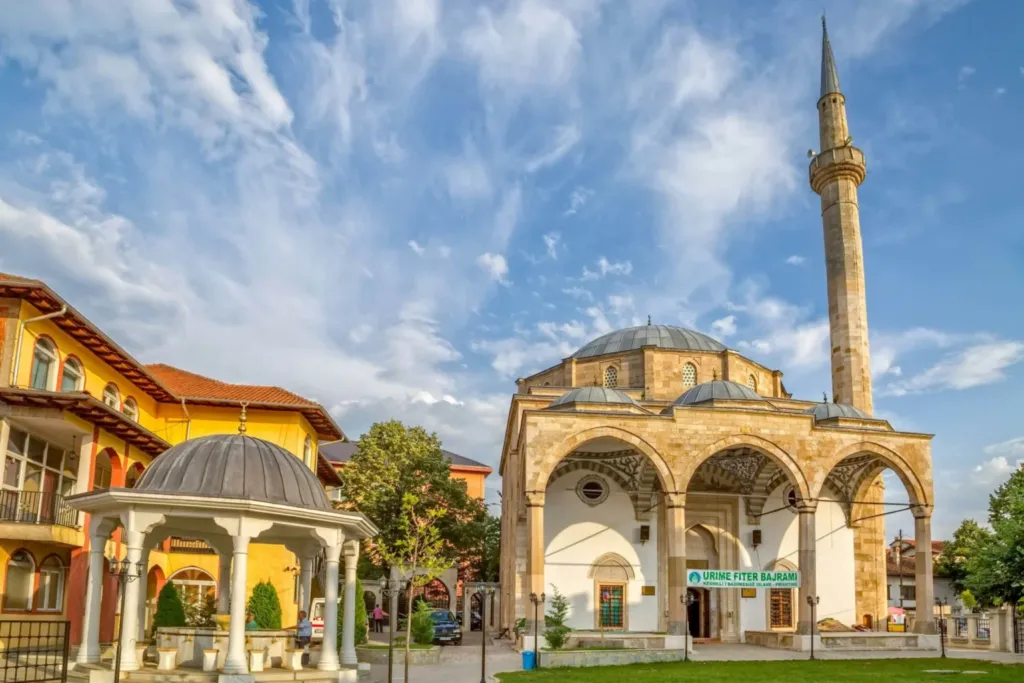
Prizren is usually the most immediately marketable destination for first-time visitors. Its compact historic centre brings together Ottoman-era streets, mosques, Orthodox and Catholic places of worship, the stone bridge, riverside cafés and the hilltop fortress. Travellers frequently value the fact that many highlights can be explored on foot, although the route to the fortress is steep and requires suitable footwear.
The city’s appeal comes from the way different historical layers sit close together. Ottoman architecture and Islamic heritage are prominent, while Christian sites and the surrounding communities reflect Kosovo’s more complex religious and cultural history. Operators should present this coexistence accurately and respectfully, avoiding the suggestion that the country’s history has been simple or conflict-free.
Prizren is also a strong base for gastronomy. Groups can include traditional dishes such as flija, grilled meats, stuffed vegetables, pastries and locally produced dairy products, alongside the city’s established coffee culture. Restaurant selection and group menus should be arranged ahead, particularly for larger departures and peak summer dates.
The annual DokuFest documentary and short-film festival adds a significant contemporary dimension to Prizren, with screenings, cultural events and industry activity scheduled during August. Dates, programme details and accommodation availability should be checked before building a festival-led departure.
Prishtina, Peja and Gjakova: three different products
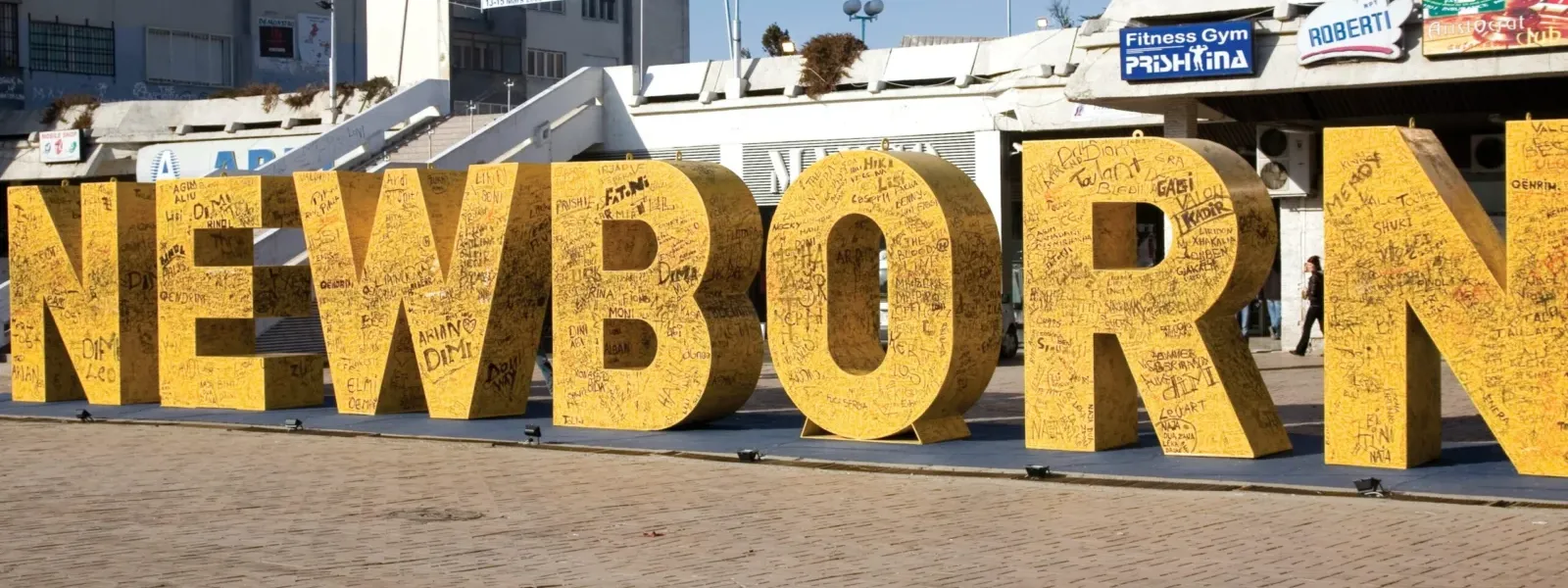
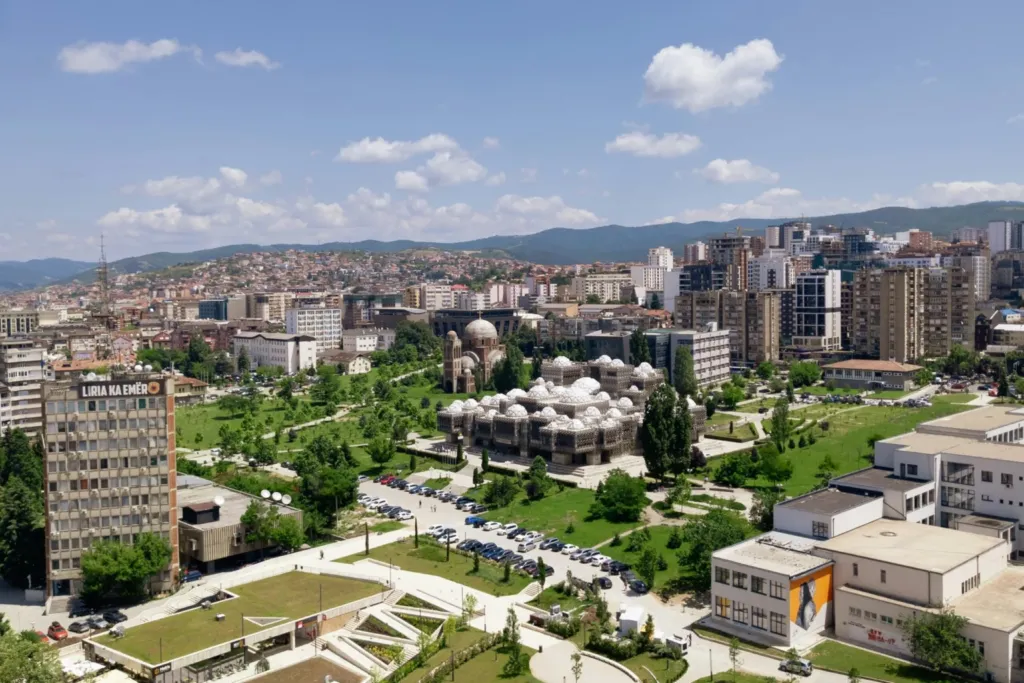
Prishtina is Kosovo’s capital and its main urban, political and commercial centre. The city is more modern and dispersed than Prizren, so it benefits from a planned route rather than an entirely walking-based visit. The Newborn monument, National Library, museums, cafés and contemporary cultural venues can form a half-day or full-day programme, while the city’s restaurants and event facilities are useful for corporate groups.
Visitors often find Prishtina worthwhile for its contemporary atmosphere, although many consider Prizren, Peja and the mountain regions more immediately scenic. Summer heat and urban traffic can affect sightseeing, so early starts and realistic transfer times are important for groups.
Peja is the natural gateway to western Kosovo’s mountains. The town combines urban services and heritage with access to Rugova Canyon, hiking routes, climbing areas and rural guesthouses. Many travellers say they wished they had allowed more than a short stop in the region. For an adventure operator, Peja is better treated as a base for two nights than as a quick photo stop.
Gjakova offers a different cultural proposition. Its historic bazaar, artisan traditions, cafés and local food can support a slower, community-oriented itinerary. It pairs naturally with Prizren and can be used for a culinary visit, craft encounter or overnight stay, depending on supplier capacity and the group’s travel style.
UNESCO heritage and religious tourism in Kosovo
Kosovo’s UNESCO-listed medieval heritage is concentrated in four monuments: Dečani Monastery, the Patriarchate of Peć, Gračanica Monastery and the Church of the Virgin of Ljeviša in Prizren. The UNESCO listing for the Medieval Monuments in Kosovo recognises their medieval architecture, mural painting and religious significance.
These sites can support cultural, Christian heritage and pilgrimage programmes, but operators should plan visits carefully. Access arrangements, opening conditions, identification requirements, security procedures and local sensitivities may change. A specialist guide and advance confirmation are advisable, especially for groups visiting religious sites or combining several monuments in one day.
The heritage story should include more than architectural description. Medieval Serbian Orthodox traditions, Ottoman rule, Islamic architecture, Albanian cultural identity and the political history of the twentieth century all form part of the destination’s context. Interpretation should remain factual and balanced, giving visitors space to understand different communities and historical perspectives.
Religious tourism can also be combined with neighbouring destinations. A Kosovo programme may connect with Orthodox heritage in North Macedonia, Catholic and Islamic heritage in Albania, or wider pilgrimage routes through Montenegro, Bosnia and Herzegovina and Croatia. The route must be designed around actual access arrangements rather than assuming that every border or monument visit will operate in the same way.
Rugova Canyon and the Šar Mountains for active travel
Rugova Canyon is one of Kosovo’s strongest assets for adventure and soft-adventure programmes. From Peja, itineraries can include scenic drives, short walks, hiking, climbing, zipline activities where operating, and meals or stays in mountain communities. The canyon is not a single attraction with one standard visit time, so operators should match the programme to the group’s fitness, weather conditions and supplier arrangements.
The Šar Mountains offer another product area, particularly around Brezovica and the southern mountain region. Depending on the season, they can support hiking, mountain biking, skiing and other outdoor activities. The tourism sector is also identifying opportunities connected with eco-tourism, paragliding, mountain biking and winter sports, but infrastructure and service standards vary by location.
Late spring and early autumn are generally the most practical periods for combining city touring with hiking. July and August can bring high temperatures and increased demand in Prizren, while exposed mountain trails may still be uncomfortable during the hottest part of the day. Winter programmes require separate checking of snow conditions, road access, equipment, lift operation and accommodation availability.
Adventure operators should build contingency options into every programme. Mountain weather can change quickly, and trailhead transfers may take longer than a map suggests. A local ground partner can arrange drivers, guides, equipment providers and alternative cultural activities when conditions do not support the original plan.
Three practical Kosovo itinerary ideas
Three days: Prizren and Prishtina
Use Prizren as the cultural centre of a short break, with a guided old-town walk, fortress visit, traditional meal and time for independent café exploration. Add Prishtina for contemporary culture, museums and urban dining. This format suits FIT travellers, short escorted groups, city-break customers and regional visitors arriving from North Macedonia or Albania.
Four days: Prizren, Gjakova and Peja
Begin in Prizren, continue to Gjakova for its bazaar and local food culture, and spend two nights around Peja. Include Rugova Canyon and a moderate mountain activity, with the option of a rural meal or guesthouse experience. This is a balanced programme for cultural groups that want nature without committing to a full trekking itinerary.
Five days: Kosovo culture and mountains
Allow time for Prishtina, Prizren, Gjakova, Peja and Rugova, while keeping the route realistic. A fifth day can be used for a UNESCO heritage visit, a longer mountain excursion or a slower rural experience. This format works particularly well for specialist cultural groups, active travellers and private departures where interests can be adapted.
Regional extension: Kosovo with Albania, Montenegro or North Macedonia
Kosovo can be added to a wider circuit through Prizren and North Macedonia, or combined with northern Albania and Montenegro for mountain-focused travel. RakiYa’s Kosovo and Skopje four-day tour illustrates how Prishtina, Prizren and North Macedonia can be combined in a compact cultural programme. A wider Albania, Kosovo and Montenegro itinerary can add coastal, heritage and mountain contrasts.
For a multi-country programme, avoid treating Kosovo as a transit country. Give it at least two nights where possible, and use private transport when the route includes mountain regions or rural experiences. The wider Balkans group tour planning guidance is useful when balancing border crossings, driving times and destination depth.
Best seasons for Kosovo tours
Late spring and early autumn are usually the most versatile seasons for combined cultural and outdoor programmes. Temperatures are generally more comfortable for walking, mountain trails are more usable than in winter, and the main cities can be explored without the strongest summer heat.
July and August suit festival-led travel, summer city breaks and selected mountain programmes, but operators should plan around heat, local demand and possible accommodation pressure. DokuFest’s August timing creates a clear cultural opportunity, although the festival period requires early confirmation of hotels and programme space.
Winter can support snow-based travel in the Šar Mountains and Brezovica area, subject to snow cover, lift operations, road conditions and equipment availability. It is less suitable for a broad hiking circuit, and cultural itineraries should include flexibility for shorter daylight hours and weather-related delays.
Summer shoulder periods can work well for FIT and private touring, particularly when clients want a mixture of heritage, food and short nature walks. The final choice should reflect the product rather than a general destination calendar.
Transport, border and accommodation planning
Intercity buses connect Kosovo’s principal towns and can be useful for independent travellers. However, traveller reports regularly mention irregular schedules, limited mountain connections and difficulty arranging onward transport to rural trailheads or Montenegro. For international groups, private vehicles, driver-guides and pre-arranged transfers provide more control over timing and luggage handling.
Road times should be calculated conservatively. Urban traffic around Prishtina, mountain roads near Peja and Rugova, stops at heritage sites and border procedures can all extend a day. Operators should avoid scheduling a late arrival immediately before a fixed cross-border activity.
Entry and onward travel rules require particular attention. The UK Government’s Kosovo entry guidance includes passport and visa information, registration requirements and the important restriction affecting onward travel between Kosovo and Serbia. Rules depend on nationality, previous entry route and the planned border, so every passenger’s documentation should be checked against current official advice before departure.
Accommodation ranges from modern city hotels to smaller family-run properties and mountain guesthouses. Standards, room sizes, heating, bathrooms, meal service and payment arrangements can vary, especially outside Prishtina and Prizren. Groups should receive clear expectations in advance, while operators should confirm coach access, luggage handling, dietary requirements and whether a property can accommodate single rooms.
Kosovo’s Tourism Department has responsibility for tourism policy, destination promotion, business regulation, quality standards, municipal cooperation and tourism-product development. For suppliers and partners, current institutional information can be found through the Kosovo Tourism Department.
Commercial opportunities for B2B partners
Kosovo can be positioned through several product lines rather than one general brochure category. Its compact geography supports modular departures, while its cultural and outdoor mix allows operators to create different versions for different markets.
- Small-group cultural tours: Prizren, Prishtina, Gjakova, monasteries and Ottoman heritage.
- FIT and tailor-made travel: short city breaks, food-led stays, private guiding and flexible mountain extensions.
- Adventure programmes: Rugova Canyon, Peja, the Šar Mountains, hiking, climbing, biking and winter activities.
- Religious and heritage travel: medieval monuments, Orthodox heritage and broader Balkan pilgrimage routes.
- Younger and creative markets: contemporary culture, cafés, festivals, music and urban experiences.
- MICE and corporate travel: compact logistics, city hotels, restaurants, cultural activities and outdoor team experiences, subject to venue and supplier checks.
- Multi-country itineraries: Kosovo combined with Albania, Montenegro and North Macedonia through one regional operating structure.
For MICE planners, Prishtina is the most practical base for meetings and urban events, while Prizren and the mountain regions can add cultural dinners, outdoor activities and team programmes. Event briefs should confirm venue capacity, technical production, accommodation rooming, coach access, meal timing and weather alternatives before contracting.
A regional DMC can simplify the operational model by coordinating accommodation, vehicles, guides, local activities, restaurants, border planning and contingency arrangements. RakiYa Travel is a licensed DMC and tour operator with travel agency licences and public liability insurance, providing destination management across Kosovo and the wider Balkans. Its local expertise supports tailor-made programmes, escorted groups, FIT services, cultural and adventure travel, MICE coordination and ground handling, with the flexibility to adapt language, pacing, budget and client profile.
Frequently asked questions about selling Kosovo
Is Kosovo suitable as a standalone destination?
Yes. A three- to five-day programme can combine Prizren, Prishtina, Peja, Gjakova and selected mountain or heritage experiences. A standalone product is particularly suitable for cultural groups, adventure travellers, FIT customers and short-break markets.
How many days should a first Kosovo itinerary include?
Three days is workable for Prizren and Prishtina. Four or five days gives a more balanced programme including Peja, Rugova Canyon, Gjakova and additional heritage or rural experiences.
What is the best time for a Kosovo group tour?
Late spring and early autumn are generally the most versatile for combining cities and hiking. Summer works for festivals and selected outdoor programmes, while winter requires confirmation of snow, road and ski operations.
Can Kosovo be combined with Albania and Montenegro?
Yes, but border routing and travel documents must be checked carefully. Northern Albania, Kosovo and Montenegro can create a strong mountain and cultural circuit, while Kosovo and North Macedonia are particularly practical for shorter regional programmes.
Is Kosovo suitable for MICE programmes?
Prishtina can support meetings, restaurants and urban activities, while Prizren and the mountains provide cultural and outdoor additions. Event planners should confirm venues, accommodation, transport, technical requirements and weather alternatives for each brief.
What should operators explain about accommodation?
Urban hotels generally offer a broader range of facilities, while mountain guesthouses provide a more local experience with variable room layouts and services. Group requirements, coach access, meal arrangements and single-room availability should be checked before sale.
Kosovo gives international travel professionals a flexible product: culturally substantial, suitable for short programmes and capable of adding depth to a wider Balkan itinerary. RakiYa Travel can help tour operators and agencies develop tailor-made programmes, group net-rate proposals and local ground-handling arrangements across Kosovo, Albania, Montenegro and North Macedonia, with authentic experiences and coordinated regional operations.